




How to Prevent Warping in Corrugated Boxes?
Warping in corrugated boxes can be prevented by controlling material quality, moisture conditions, machine accuracy, production processes, and proper storage methods.
What Causes Warping in Corrugated Boxes?
Warping occurs when corrugated boxes lose their original flat shape and develop bending, twisting, or uneven surfaces.
This problem is usually caused by uneven stress distribution inside the corrugated board structure.
Common causes include:
Excessive moisture or humidity changes
Uneven paper layers
Improper storage conditions
Incorrect manufacturing processes
Inaccurate cutting or forming operations
For packaging manufacturers, preventing warping is important because deformed cartons can affect stacking stability, packaging efficiency, and product protection.
How Does Moisture Affect Corrugated Box Warping?
Moisture is one of the most common causes of corrugated box deformation.
Paper-based materials naturally absorb and release moisture from the surrounding environment. When different layers of corrugated board absorb moisture unevenly, internal stress can cause the sheet to bend or warp.
High humidity may weaken board stiffness, while excessive drying may cause uneven contraction.
Maintaining stable moisture conditions during material storage and production helps reduce warping risks.
How Does Raw Material Quality Influence Box Warping?
The quality and consistency of corrugated board directly affect dimensional stability.
Materials with uneven paper thickness, inconsistent moisture levels, or unstable structural properties may create imbalance between different layers.
Common material-related problems include:
Uneven board flatness
Reduced structural strength
Increased deformation risk
Inconsistent production results
Selecting stable corrugated materials provides a stronger foundation for producing flat and reliable cartons.
How Does Production Temperature and Humidity Affect Box Stability?
The production environment has a significant impact on corrugated board performance.
Changes in temperature and humidity can influence:
Paper expansion and contraction
Adhesive drying behavior
Board stiffness
Overall carton flatness
A controlled production environment helps maintain more stable material conditions and reduces unexpected deformation.
Professional packaging manufacturers monitor environmental conditions to maintain consistent production quality.
How Does Machine Accuracy Help Prevent Warping?
Machine accuracy affects how evenly corrugated sheets are processed.
Incorrect cutting, scoring, or forming can create uneven stress within the carton structure, increasing the possibility of deformation.
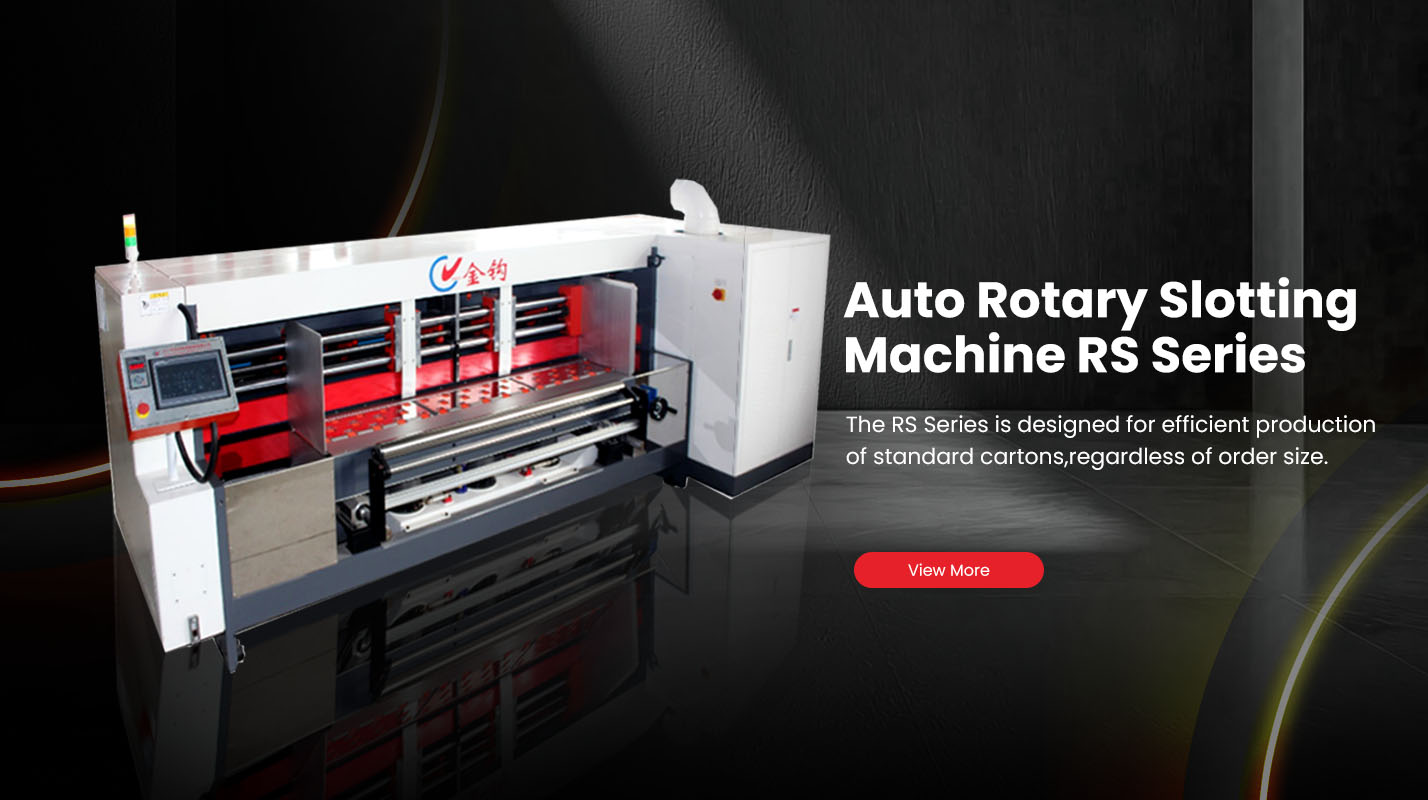
Modern automatic Box Making Machines improve stability through:
Precise feeding systems
Accurate cutting control
Consistent scoring performance
Stable forming processes
Accurate processing helps maintain the original structure and flatness of corrugated boxes.
How Does Creasing Quality Affect Box Flatness?
Creasing plays an important role in maintaining carton shape.
Proper creasing allows corrugated board to fold naturally without creating excessive stress in specific areas.
Poor creasing may cause:
Uneven folding
Panel distortion
Structural imbalance
Warped finished boxes
Accurate creasing helps distribute folding pressure more evenly and supports better carton stability.
How Can Incorrect Storage Cause Box Warping?
Storage conditions after production can affect carton flatness.
Corrugated boxes stored in unsuitable environments may absorb moisture unevenly or experience pressure changes.
Common storage problems include:
Direct exposure to humidity
Uneven stacking pressure
Contact with wet surfaces
Long-term storage in unstable conditions
Proper storage practices help preserve carton quality after manufacturing.
How Does Stacking Method Affect Corrugated Box Shape?
Improper stacking can create pressure differences that lead to deformation.
When cartons are stacked unevenly, lower boxes may experience excessive compression while upper layers remain unsupported.
Better stacking practices include:
Maintaining aligned stacks
Avoiding excessive height
Using stable storage surfaces
Protecting cartons from external pressure
Proper handling helps maintain carton shape during storage and transportation.
How Can Manufacturers Reduce Warping During Production?
Reducing warping requires controlling multiple production factors together.
Important methods include:
Maintaining stable material conditions
Adjusting machines correctly
Monitoring production environment
Using accurate forming processes
Inspecting finished cartons regularly
A complete quality management approach helps identify potential problems before they affect large production batches.
How Does Automation Improve Carton Flatness?
Automation improves consistency by reducing variations during production.
Automated feeding, cutting, scoring, and forming systems help maintain stable processing conditions.
Benefits include:
More consistent carton dimensions
Reduced manual adjustment errors
Better production repeatability
Improved structural stability
For manufacturers producing large quantities of corrugated boxes, automation helps maintain reliable quality.
How Should Manufacturers Check for Warping Problems?
Regular inspection helps detect deformation issues early.
Manufacturers can evaluate:
Carton flatness
Panel alignment
Folding accuracy
Stacking stability
Finished appearance
Identifying the cause of warping allows manufacturers to adjust materials, equipment, or processes effectively.
What Equipment Features Help Prevent Box Warping?
Suitable equipment design contributes to better carton stability.
Important features include:
Stable machine structure
Precise adjustment systems
Reliable feeding mechanisms
Accurate scoring and forming units
High-quality box making machines help manufacturers maintain consistent processing conditions and reduce deformation risks.
Why Is Preventing Warping Important for Box Manufacturers?
Warp-free cartons provide better performance during packaging, storage, and transportation.
Preventing deformation helps manufacturers achieve:
Improved stacking efficiency
Better product protection
Reduced material waste
Higher customer satisfaction
Stable carton quality is especially important for industries requiring reliable packaging performance.