




Why Small Batch Box Making Machines Are Changing The Packaging Industry
In the fast-moving world of packaging, the demand for custom-sized, short-run, and eco-friendly box production is growing rapidly. Traditional mass-production lines — built for long, repetitive runs — are no longer flexible enough to meet the needs of today’s diverse market.
That’s where small batch Box Making Machines come in. They’re revolutionizing how manufacturers and converters produce corrugated packaging — offering on-demand flexibility, faster setup, lower waste, and reduced inventory costs.
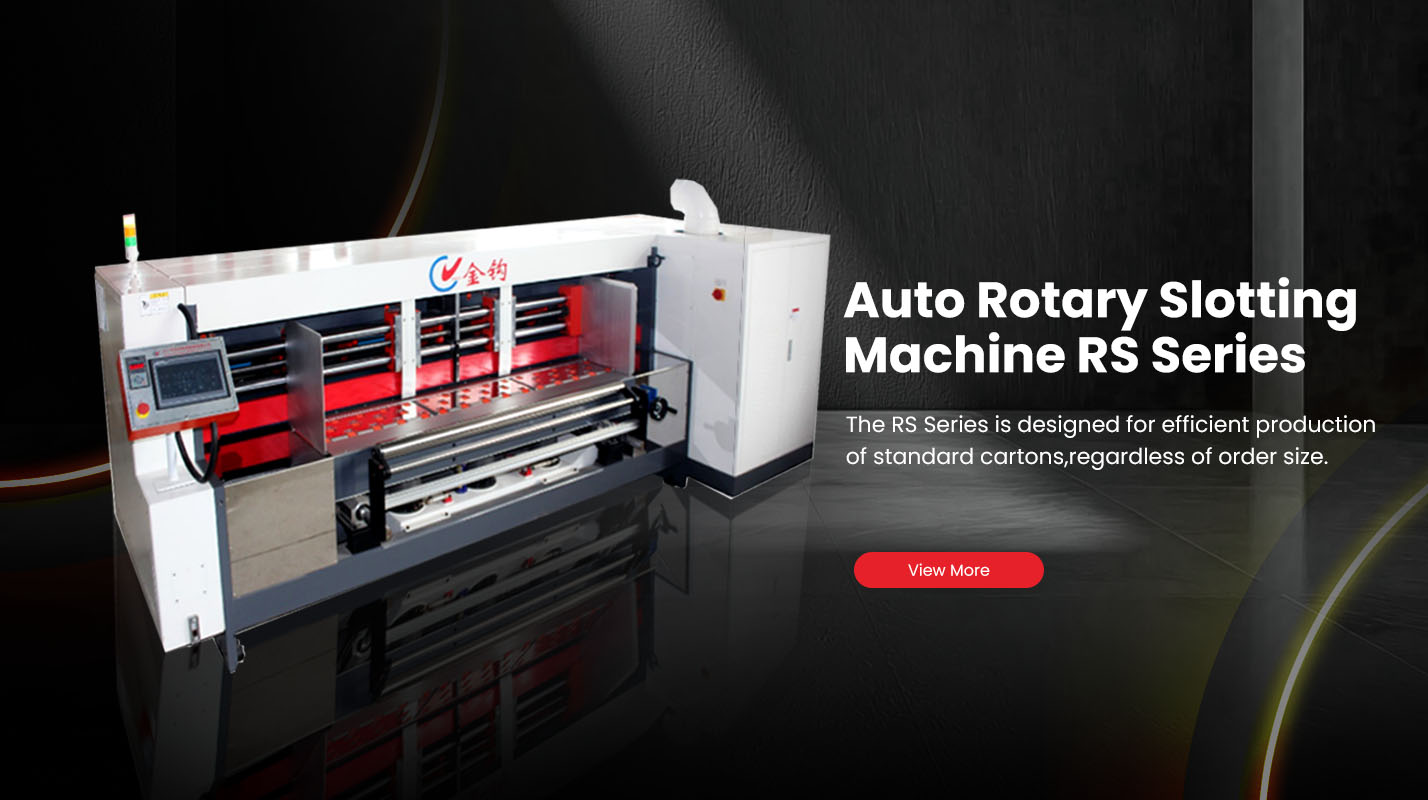
As a leading manufacturer of carton forming, slitting, and slotting equipment, JINGOUPACK is at the forefront of this transformation, helping global packaging factories upgrade to smart, efficient, and small-batch-ready production systems.
The Shift Toward Customization and Flexibility
The modern packaging industry has changed dramatically in the last decade. Businesses across e-commerce, retail, and manufacturing now require custom-fit boxes instead of mass-produced standard sizes.
Key reasons for this shift include:
E-commerce growth: Every product may require a unique shipping box.
Brand differentiation: Custom box sizes and designs improve the unboxing experience.
Sustainability: Small batches reduce waste and minimize storage needs.
Inventory cost reduction: Companies prefer to produce on demand rather than stockpile packaging.
This trend has forced manufacturers to seek small batch production capabilities — a space where compact, automated box making machines excel.
What Is a Small Batch Box Making Machine?
A small batch box making machine is a compact, flexible system designed to produce corrugated boxes in short runs or on-demand quantities.
Unlike traditional equipment that requires extensive setup, these machines allow quick digital adjustments for different box sizes and types — without changing cutting tools or manual calibration.
Machines like the JINGOUPACK CK25 Box Maker combine functions such as slitting, slotting, creasing, and trimming into a single automated line.
This all-in-one configuration enables manufacturers to:
Produce exact box sizes when needed.
Switch between jobs in minutes.
Minimize paper waste and idle time.
1. On-Demand Production Reduces Waste and Inventory
In conventional packaging lines, manufacturers often produce thousands of boxes per batch — even when customers need far fewer — just to justify setup time.
Small batch machines solve this by enabling on-demand box production, which means:
Zero overproduction — only make what the order requires.
Lower paper waste — precise cutting eliminates offcuts.
Reduced storage cost — no need to warehouse excess boxes.
Factories using JINGOUPACK’s smart systems report up to 25% reduction in material waste and 30% less floor space required for inventory.
2. Faster Job Changeovers Increase Productivity
Traditional corrugated lines require long setup times to change box dimensions or styles. Each adjustment — moving knives, scoring wheels, and feeding guides — used to take 20–40 minutes.
With digital control and servo positioning, modern box makers like the CK25 can change box sizes in under 3 minutes through the touch-screen interface.
Advantages:
Handle multiple small orders in one shift.
Improve flexibility without losing throughput.
Shorten delivery cycles for customers.
This allows even small or medium factories to serve more clients efficiently, keeping lead times short and operations lean.
3. Lower Labor and Energy Costs
Automation in small batch box machines reduces the need for manual adjustments and skilled operators. One technician can now manage several processes at once — from feeding to slotting to folding.
Cost-saving features include:
Automatic calibration and knife positioning.
Servo energy-saving drive systems.
Integrated feeding and stacking units.
As a result, companies benefit from lower labor costs, reduced energy consumption, and fewer production errors — leading to a more stable and sustainable business model.
4. Improved Customization and Digital Integration
Small batch machines are designed for smart manufacturing environments. They integrate easily with ERP and digital order systems, allowing instant job setup based on incoming order data.
Factories can now:
Produce boxes directly from online orders.
Store multiple job presets.
Monitor performance data in real time.
This digital integration makes small-batch packaging not only efficient but also scalable for Industry 4.0 production systems.
5. Enhanced Quality and Consistency
Quality is often a challenge in small-scale production, but automation solves this.
JINGOUPACK’s small batch machines use servo-controlled scoring and slitting heads to maintain precise alignment, even during high-speed operation.
Results include:
Clean cutting edges.
Consistent scoring depth.
Accurate box dimensions across every sheet.
This consistency reduces rework and ensures professional packaging quality even for short runs.
6. Perfect for SMEs and E-commerce Packaging
Small batch box making machines empower small and medium-sized enterprises (SMEs) to produce their own packaging in-house, saving outsourcing costs.
They are particularly beneficial for:
E-commerce warehouses creating custom shipping boxes.
Startups offering branded packaging in small runs.
Printing companies adding corrugated box services.
Packaging distributors serving multiple small clients.
These users value speed, flexibility, and cost control, which small batch automation provides.
7. Sustainability: The Hidden Advantage
By producing boxes on demand and minimizing waste, small batch systems contribute to sustainable manufacturing goals.
Less overproduction means fewer unused boxes heading to landfills.
Energy-efficient motors reduce carbon emissions.
Reduced transportation of pre-made boxes saves fuel.
When combined with recyclable corrugated materials, small batch production represents a green approach to packaging.
8. Case Study: A Smart Upgrade for Profitability
A packaging factory in Poland replaced its manual box forming setup with JINGOUPACK’s CK25 small batch line.
After three months:
Material waste reduced by 22%.
Labor costs down 30%.
Production flexibility increased by 40%.
ROI achieved in less than 16 months.
This case demonstrates how small-batch automation can turn limited-volume production into a profitable, sustainable operation.
9. CE-Certified Safety and Global Export Confidence
Every JINGOUPACK machine — including its small batch box makers — is CE certified, ensuring compliance with EU mechanical and electrical safety standards.
Features include:
Emergency stop buttons on all sides.
Safety guards with automatic power shutoff.
Overload and grounding protection.
This makes JINGOUPACK’s equipment trusted worldwide for safe, compliant, and reliable packaging production.
Conclusion
Small batch box making machines are redefining the future of the packaging industry.
They offer the agility, precision, and sustainability that today’s businesses demand — enabling faster delivery, lower cost, and customized production at scale.
With advanced servo control, digital adjustment, and eco-friendly operation, JINGOUPACK provides packaging manufacturers with the tools to thrive in the era of on-demand and small-lot manufacturing.
Whether you’re upgrading your packaging line or entering new markets, small batch automation is no longer just an option — it’s the next competitive advantage.