




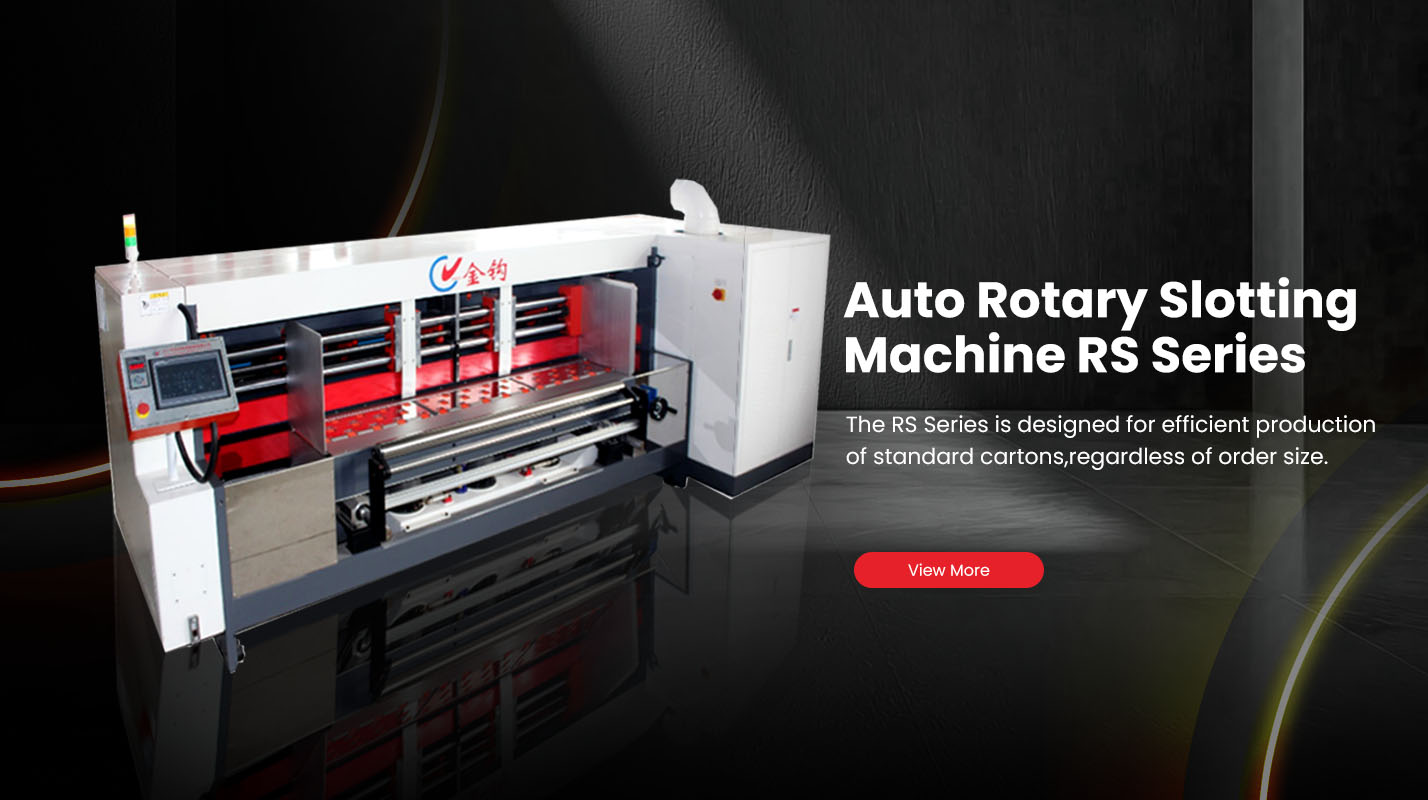
What Are The Hidden Risks Or Pitfalls When Buying A Low-Cost Carton Forming Machine?
In the competitive packaging industry, it’s tempting to choose the lowest-priced carton forming machine to minimize upfront investment. However, what seems like a bargain at first can quickly turn into a costly mistake.
A machine’s true value is not defined by its price tag alone, but by its performance, durability, and lifetime cost. The wrong choice can lead to constant downtime, poor product quality, and escalating maintenance expenses.
At Jingou Packaging Machinery, we’ve seen factories around the world pay the hidden price of low-cost machinery — only to later reinvest in reliable, high-precision systems. This article reveals the most common pitfalls of choosing cheap equipment and how to avoid them.
1. Poor Material and Build Quality
1.1 Substandard Components
Low-cost machines often use inferior steel frames, unbalanced rollers, or low-grade bearings to reduce manufacturing expenses. These materials wear out quickly, causing frequent misalignment and vibration.
When the machine runs continuously, these weaknesses result in:
Irregular creasing or inaccurate cuts
Fluctuating slotting dimensions
Shorter component lifespan and higher replacement costs
1.2 Weak Structural Stability
Unlike Jingou’s precision-engineered frames built for 24/7 operation, cheaper machines often lack mechanical rigidity. This leads to inconsistent sheet feeding and poor folding accuracy — especially at higher speeds.
Over time, this instability directly affects box quality and operator safety.
2. Inconsistent Performance and Poor Accuracy
2.1 Lack of Servo and PLC Control
Many low-cost carton forming machines still rely on manual adjustments and analog dials, making precision control difficult. Without servo-driven positioning and digital feedback, every size change or slot adjustment introduces errors.
2.2 Higher Rejection Rates
When accuracy fluctuates, the number of rejected cartons increases — wasting material, glue, and operator time. Factories often see 3–5% higher defect rates with low-end equipment compared to servo-controlled systems like Jingou’s.
2.3 Hidden Downtime Costs
Frequent recalibration and manual resetting interrupt production flow. Even small interruptions can accumulate into dozens of lost production hours per month, silently eroding profit margins.
3. Limited Automation and Productivity
3.1 Manual Changeovers
Cheaper models typically lack automated order memory or servo positioning systems. This means every order change requires manual measurements and adjustments.
For high-mix, low-volume production, this manual setup time can consume up to 30–40% of total working hours, significantly reducing efficiency.
3.2 No Integration Capability
Low-cost machines are often standalone systems with no provisions for integration with printers, gluers, or stacking units. When your factory expands, these machines become obsolete because they can’t connect to automated lines or smart production systems.
By contrast, Jingou’s modular designs allow seamless integration and future upgrades.
4. Lack of Safety Compliance and Certification
4.1 Missing CE and ISO Standards
A major hidden risk of low-cost equipment is the absence of CE or ISO certification. These standards guarantee that a machine meets international safety, electrical, and mechanical reliability criteria.
Without them, you risk:
Difficulty exporting to regulated markets like the EU
Operator injuries due to poor safety design
Legal and insurance complications during audits or accidents
Jingou Packaging Machinery strictly follows CE and ISO 9001 standards, ensuring safety, quality consistency, and international compliance.
5. Hidden Maintenance and Repair Costs
5.1 Frequent Breakdowns
Lower-quality components wear out faster, leading to unplanned stoppages. What seemed like a low initial investment quickly turns into continuous repair expenses.
5.2 Difficult Spare Part Availability
Many budget machines are produced by small-scale workshops with no long-term spare part support. When a gear or motor fails, replacements can take weeks — or may not be available at all.
In contrast, Jingou provides standardized components, clear part numbers, and fast technical support for global users.
5.3 Shorter Machine Lifespan
A low-cost machine’s average operational life may be 3–5 years, compared to 10+ years for a precision-engineered Jingou machine.
This means you may end up buying two or three cheap machines to match the lifetime of one durable, well-built system.
6. Poor After-Sales Support
6.1 Lack of Training and Installation Assistance
Many low-cost suppliers deliver machines with minimal documentation and no on-site support. Operators are left to figure out assembly and setup themselves — increasing the risk of improper calibration and future faults.
6.2 No Remote Diagnostics
Without advanced control panels or IoT connectivity, technical problems can’t be solved remotely. Each issue requires manual inspection, prolonging downtime and disrupting production schedules.
Jingou’s digital service platform enables remote monitoring, diagnostics, and parameter adjustments — minimizing downtime and ensuring continuous operation.
7. Hidden Operational Inefficiencies
Even when the machine runs, inefficiencies continue to add up:
Higher glue consumption from inaccurate folding alignment
Energy wastage from non-optimized motor control
Inconsistent box dimensions leading to poor stacking and shipping performance
These inefficiencies might not appear on your balance sheet immediately, but over months, they add up to thousands of dollars in avoidable losses.
8. Long-Term Risk: Lost Market Opportunities
When your machine limits speed, quality, or consistency, you risk missing out on new business. Customers expect high-quality cartons with tight tolerances and professional printing.
Factories using low-cost, unreliable machines often struggle to meet export orders or maintain delivery schedules — damaging their reputation and credibility in competitive markets.
Investing in a Jingou automated carton forming machine ensures you can meet increasing demand confidently, with superior precision and reliability.
9. True Cost Comparison
| Category | Low-Cost Machine | Jingou Machine |
|---|---|---|
| Initial Price | Lower | Moderate |
| Precision & Accuracy | ±2–3 mm | ±0.5 mm (servo-controlled) |
| Setup Time per Order | 20–30 min | 2–5 min |
| Average Lifespan | 3–5 years | 10+ years |
| Maintenance Frequency | High | Low |
| Spare Part Availability | Limited | Global supply |
| Energy Efficiency | Poor | Optimized motor systems |
| After-Sales Support | Minimal | Full technical and remote assistance |
The table shows that the true cost of ownership for a low-cost machine is often 50–70% higher than its purchase price once maintenance, downtime, and inefficiency are considered.
10. Why Jingou Packaging Machinery Is a Smart Investment
When you invest in Jingou, you’re choosing a partner focused on long-term performance, not short-term sales.
Our equipment offers:
Precision servo-driven control for stable high-speed operation
CE & ISO certification ensuring safety and reliability
Modular design for easy expansion and integration
Durable components for long life and minimal maintenance
24/7 global service support for peace of mind
Every Jingou machine is designed to reduce total ownership cost, maximize uptime, and deliver measurable ROI — year after year.