




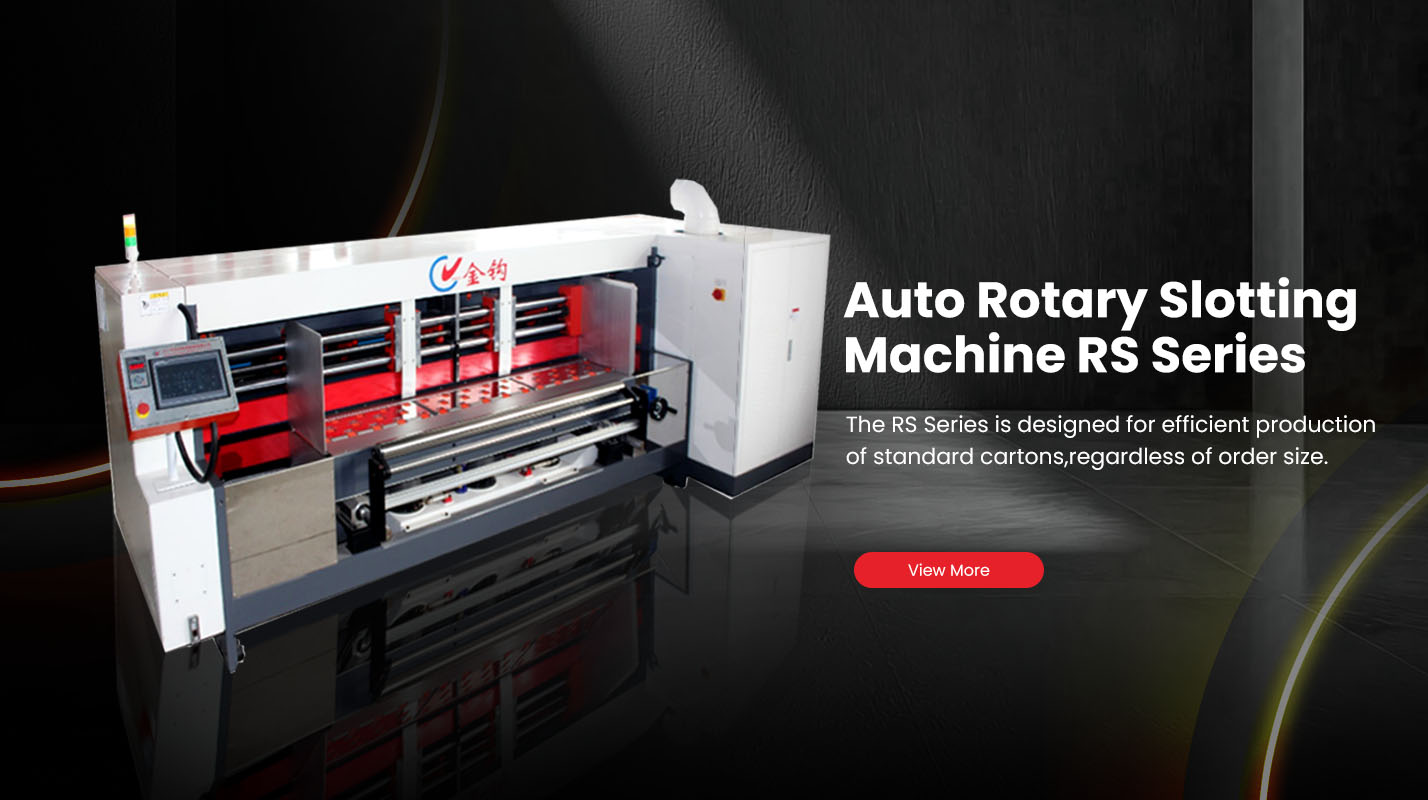
How Do I Choose The Right Carton Forming Machine for My Production Line?
Selecting the right carton-forming machine is one of the most critical investments a packaging manufacturer will make. The machine you choose today not only determines your current capability but also how well you can grow tomorrow. With changing order volumes, diverse box styles, automation expectations and sustainability demands, the right choice matters.
At Jingou Packaging Machinery, we believe choosing a machine is more than just picking the highest speed — it’s about aligning your production needs, budget, growth plans and operational realities. In this guide, we’ll walk you through the essential factors to consider.
1. Understand Your Production Requirements
1.1 Define Your Output Volume
Start by quantifying your production demand: how many cartons per hour/day do you need? Will this remain stable or scale in the next 2-5 years? A machine undersized for future demand or oversized for current lean volumes can both cause problems.
As one industry guide says: “Production Volume and Output Capacity: Are you producing small batches or large-scale orders? Machines range from semi-automatic for low/medium output, to fully automatic lines for high-volume production.”
1.2 Review Box Styles, Sizes & Materials
What kinds of cartons do you form? Regular Slotted Containers (RSC), die-cut specialty boxes, multi-flap heavy duty boxes? What flute profiles (single-wall, double-wall) and board weights will you use?
Machine compatibility with your materials ensures clean cuts, correct creases, minimal waste.
1.3 Consider Flexibility & Changeovers
If your business handles many SKUs, frequent size changes or custom runs, you’ll need a machine built for quick format changeovers, memory presets and minimal setup time. As another guide points out: “Quick changeovers between different carton sizes … programmable logic controllers …”
1.4 Assess Line Integration & Workflow
Does the forming machine need to integrate upstream (sheet feeding, corrugator) or downstream (stacking, gluing, delivery)? Consider footprint, speed compatibility, automation communication. If your machine becomes a bottleneck, productivity suffers.
2. Key Machine Features to Evaluate
Here are the features you should prioritize when comparing machines:
| Feature | Why It Matters |
|---|---|
| Speed / Output (pcs/h or m/min) | Determines if the machine meets your target throughput. |
| Automation Level | Servo drives, PLC control, memory settings reduce labour and give consistent quality. |
| Precision / Tolerances | Clean cutting, accurate slotting & scoring reduce waste and improve box quality. |
| Material Handling Capability | Ability to handle your board weights, flute types, sheet dimensions. |
| Changeover Time | Shorter changeovers mean less downtime and better responsiveness. |
| Line Control & Memory | Saves formats, ensures repeatability and fewer setup errors. |
| Build Quality & Durability | Industrial grade machines last longer, require less maintenance. |
| After-Sales Support & Spare Parts | Good support reduces downtime and keeps your machine productive. |
| Footprint & Layout | Ensure machine fits your factory floor and workflow. |
| Energy Efficiency & Sustainability | Lower energy use and less waste contribute to lower operating cost. |
3. Aligning Growth Plans with Your Machine Choice
3.1 Future-Proof Your Investment
If you expect production growth (higher volumes, more SKUs, new box styles), choosing a machine with extra capacity or modular expandability will save you from rebuilding soon. One resource underlines: “Choose equipment that can be upgraded or expanded to accommodate increased production or new packaging styles.”
3.2 Avoid Under- and Over-Machineing
Under-machineing: You buy a machine barely suitable today, then it becomes a bottleneck when demand rises.
Over-machineing: You buy a very high-end machine but only use a fraction of its capability, increasing cost per unit.
Balance current needs + realistic growth trajectory.
3.3 Modularity & Integration
Machines designed with modular architecture (e.g., adding slotting, printing, gluing later) offer flexibility. Make sure the forming unit you select can integrate with future modules.
4. Financial & Operational Considerations
4.1 Total Cost of Ownership (TCO)
Look beyond purchase price. Consider: setup time, labour cost, material waste, downtime, energy consumption, maintenance, spare parts. A cheaper machine might cost more per box if it’s inefficient.
4.2 Return on Investment (ROI)
Estimate how the machine will save money or generate more revenue: higher throughput, fewer rejects, less manual labour. Factor in pay-back period. Articles show many manufacturers emphasise automation, flexibility and speed to boost ROI.
4.3 Risk & Supplier Credibility
Check machine certifications (CE, ISO), supplier track record, after-sales services. A reliable supplier reduces risk of downtime, spare-part issues, and long-term repair costs.
5. Choose the Right Supplier & Service Package
5.1 Supplier Experience & References
Select a supplier with proven machines in your industry (corrugated board, carton forming). Ask for case studies, factory visits, client references.
5.2 Customization & Scalability
Your supplier should offer machines compatible with your box types and allow future upgrades. Off-the-shelf may not suffice for long-term adaptability.
5.3 Training, Maintenance & Support
Ensure you get operator training, maintenance documentation, remote diagnostics (if available), and spare-part support. These affect uptime and productivity.
5.4 Warranty & Certification
Make sure the machine meets relevant international safety/quality standards (CE, ISO). Certified machines are generally more reliable and easier to export or service.
6. Making Your Final Decision
Consolidate your requirements: output, box styles, board types, future growth.
Short-list machines that meet or exceed those specs.
Visit a demo factory or ask for on-site trial if possible.
Evaluate supplier support: installation, training, spare parts, warranties.
Check that machine features align with your workflow, layout and future integration.
Consider upgrade path: can you increase speed, add modules, shift to servo control later?
Review the total cost (initial + operating + maintenance) and projected ROI.
Choose the machine and supplier that balance performance, reliability, support and future-proofing — not just lowest price.