




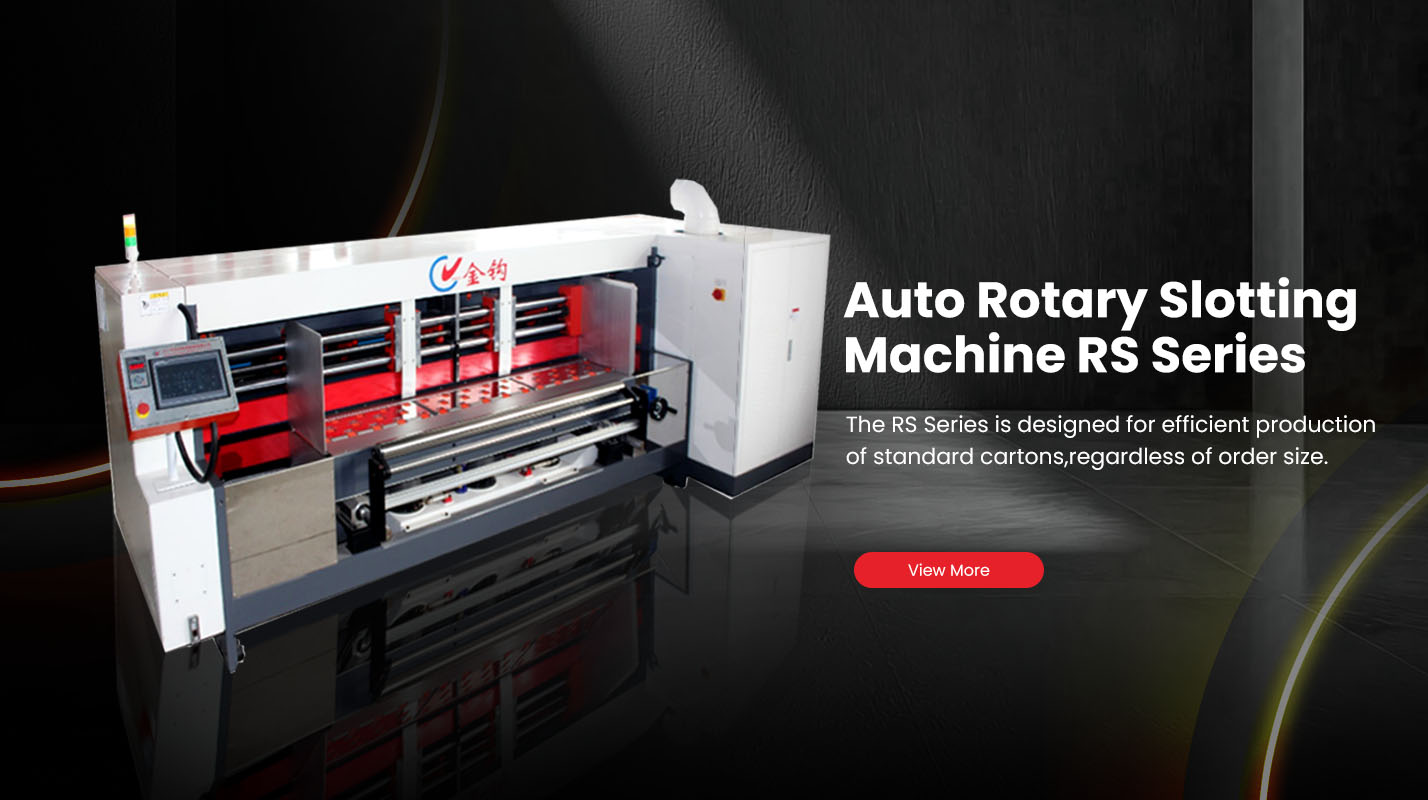
Is An Electric-Driven Carton Forming Machine Better Than A Hydraulic One?
1. What We Mean by Electric-Driven vs Hydraulic Machines
An electric-driven machine uses servo motors, electric drives and direct mechanical linkages (such as ball screws, timing belts, gear trains) to perform motion control, cutting, slotting, folding etc.
A hydraulic machine uses pressurised fluid (oil) to drive cylinders, motors or pistons to produce force and movement — often via pumps, valves, and hydraulic circuits.
Although much of the published comparison material comes from other machine sectors (such as injection moulding), the same principles apply in carton forming equipment.
2. Key Differences in Drive Technology
2.1 Energy Consumption and Efficiency
Electric machines tend to draw power only when motion is required; idle losses are small. For example, in one review of injection moulding machines:
“Electric machines are known for their exceptional energy efficiency… by utilizing electric motors instead of hydraulic systems, they can save up to 75% more energy…”
Hydraulic machines often require the pump to run continuously or maintain pressure even when not actively producing motion — translating into higher energy use and heat generation.
2.2 Precision, Repeatability and Control
Electric (servo) systems allow very fine position, speed and force control. In one reference:
“Electric machines consistently hold tolerances one-half those of even … hydraulic machines.”
For a carton forming machine, this precision means better slotting alignment, cleaner fold lines, less variability between boxes. Hydraulic systems can also be precise, especially modern ones, but tend to have more mechanical or fluid-related variability (valve lag, hose expansion, fluid temperature effects).
2.3 Maintenance, Cleanliness and Operating Environment
Electric machines avoid hydraulic fluids — meaning no risk of oil leaks, cleaner workshops, fewer consumables (oil filters, etc). Reference:
“They don’t require regular oil changes and draw little power when idle.”
Hydraulic machines require pumps, filters, hydraulic fluid and maintenance of those systems.
2.4 Up-front Cost and Force Capability
Hydraulic machines often have lower initial cost (for a given force output) and are well suited when very large forces or long hold times are needed. One article:
“Electric machines typically cost 50-70% more than traditional hydraulic machines.”
In the carton forming world, if your application involves heavy duty boards, heavy flutes, or very large machines, the hydraulic drive might appear more cost-effective.
2.5 Suitability for Carton Forming Machines
For carton forming (slitting, slotting, creasing, folding) key criteria include speed, precision, frequent changeovers, minimal waste, high repeatability. Electric drives map very well to these needs: fast positioning, accurate motion, quick changeovers, less mechanical/coupling backlash. Hydraulic may still be chosen if very high force or heavy duty operations are required, but may sacrifice some of the above benefits.
3. So – Which Drive Type Is Better for Carton Forming?
In many cases, yes — an electric‐driven carton forming machine is better, provided the machine is well designed and sized correctly. Here’s a summary of when electric has the edge versus when hydraulic may still be applicable.
When Electric is the Better Choice
Your production line emphasises precision, frequent changeovers, high box quality, tight tolerances.
You are seeking energy savings, lower operating cost, cleaner environment, fewer maintenance demands.
You anticipate automation, digital control, integration with servo systems, memory settings, Industry 4.0 readiness.
Your board types, box sizes and formats vary; you need flexibility.
Your budget allows a moderately higher upfront investment but you prioritise long-term cost savings and quality.
When Hydraulic Might Be Acceptable / Even Preferred
The machine must deal with very heavy board weights or extremely large format boxes requiring high force or long hold times.
Your production runs are very stable with little changeover and you prioritise lower initial cost.
Your factory has existing hydraulics‐trained maintenance staff and infrastructure (oil systems, hydraulics support).
You are constrained by upfront budget and willing to accept higher operating cost and possibly less precision.
4. Key Questions to Ask When Choosing Between Electric and Hydraulic Carton Formers
What throughput (boxes/min) and speed do I expect?
How many format changes (box sizes) per shift will I have?
How tight are my tolerances for slotting, scoring, folding?
What board types (flute size, weight, material) will I use?
What is my long-term (5-10 year) goal for automation, expansion and energy cost?
What maintenance capabilities and support do I have (hydraulic vs servo/electric)?
What total cost of ownership (TCO) will the machine have — including energy, maintenance, downtime?
Is the factory environment (e.g., clean room, less noise) relevant?
Does the machine integrate easily with other modules (feeding, slotting, stacking) and digital controls?
5. Example Consideration for Jingou’s Carton Forming Machines
Suppose Jingou offers a carton forming machine with servo‐electric drive, memory positioning, digital control panel etc. This model may cost more upfront than a basic hydraulic equivalent, but will deliver:
Faster format changeovers (less downtime)
Better box consistency and less waste
Lower operating cost (energy, maintenance)
Ready for integration in automated lines
If your factory’s plan is to grow, produce many SKUs, and maintain high quality, the electric variant makes sense. If your facility is small, fixed size boxes, limited variation, and tight budget, you might consider a hydraulic machine as a stepping stone — but you should weigh the trade‐offs carefully.
6. Summary Table: Electric vs Hydraulic for Carton Forming
| Feature | Electric-Driven | Hydraulic-Driven |
|---|---|---|
| Precision & repeatability | Very high | Moderate to high (depends on design) |
| Energy consumption | Lower (especially idle) | Higher (pump runs, fluid losses) |
| Maintenance & cleanliness | Lower (no oil leaks, fewer consumables) | Higher (oil, filters, hoses) |
| Up-front cost | Higher | Lower for simple systems |
| Force / heavy duty capacity | Good, modern servo can deliver high force | Traditional strength in very high-force applications |
| Suitability for format changeovers & flexibility | Very good | Could be slower to adjust |
| Integration with automation / digital control | Excellent | Possible but may require extra modules |
| Total cost of ownership (5-10 years) | Often lower | Could be higher if energy/maintenance high |
7. Final Recommendation
For most modern carton forming production lines — particularly those aimed at high quality, frequent changeovers, automation, and long‐term efficiency — an electric-driven carton forming machine is the better choice.
However, you must ensure the machine is designed properly (good servo system, robust mechanics, controls) and sized for your production needs. Don’t assume “electric” automatically means good — design, build quality and supplier support matter significantly.
If budget or specific heavy‐duty demands dictate a hydraulic machine, ensure you understand the trade‐offs: greater energy use, more maintenance, possibly lower precision, and plan accordingly.
At Jingou, we design both options (while emphasizing electric drive in our advanced models) with full support, precision engineering and service — helping you make the right choice for your factory’s future.