




How Easy Is Format Changeover on A Carton Forming Machine?
As global demand for corrugated cartons continues to rise, packaging manufacturers and exporters are placing greater emphasis on the long-term reliability and maintainability of carton forming machines. Equipment stability directly affects production efficiency, order lead times, packaging quality, and operational costs. Understanding the key maintenance considerations helps buyers select reliable machinery and reduce downtime throughout the lifecycle of their production line.
For companies investing in professional packaging solutions, modern carton forming machines must deliver not only speed and precision but also consistent, predictable performance under continuous operation.
Below are the top maintenance and reliability factors global buyers should evaluate when selecting or operating carton forming equipment.
1. Structural Stability and Machine Build Quality
The fundamental determinant of long-term reliability is the structural design of the machine. High-precision frames, stable mounting points, balanced rotating parts, and vibration-controlled assemblies ensure consistent box forming accuracy.
Machines built with reinforced steel frames and CNC-machined components maintain alignment over years of use, leading to lower wear, longer part life, and fewer adjustment cycles.
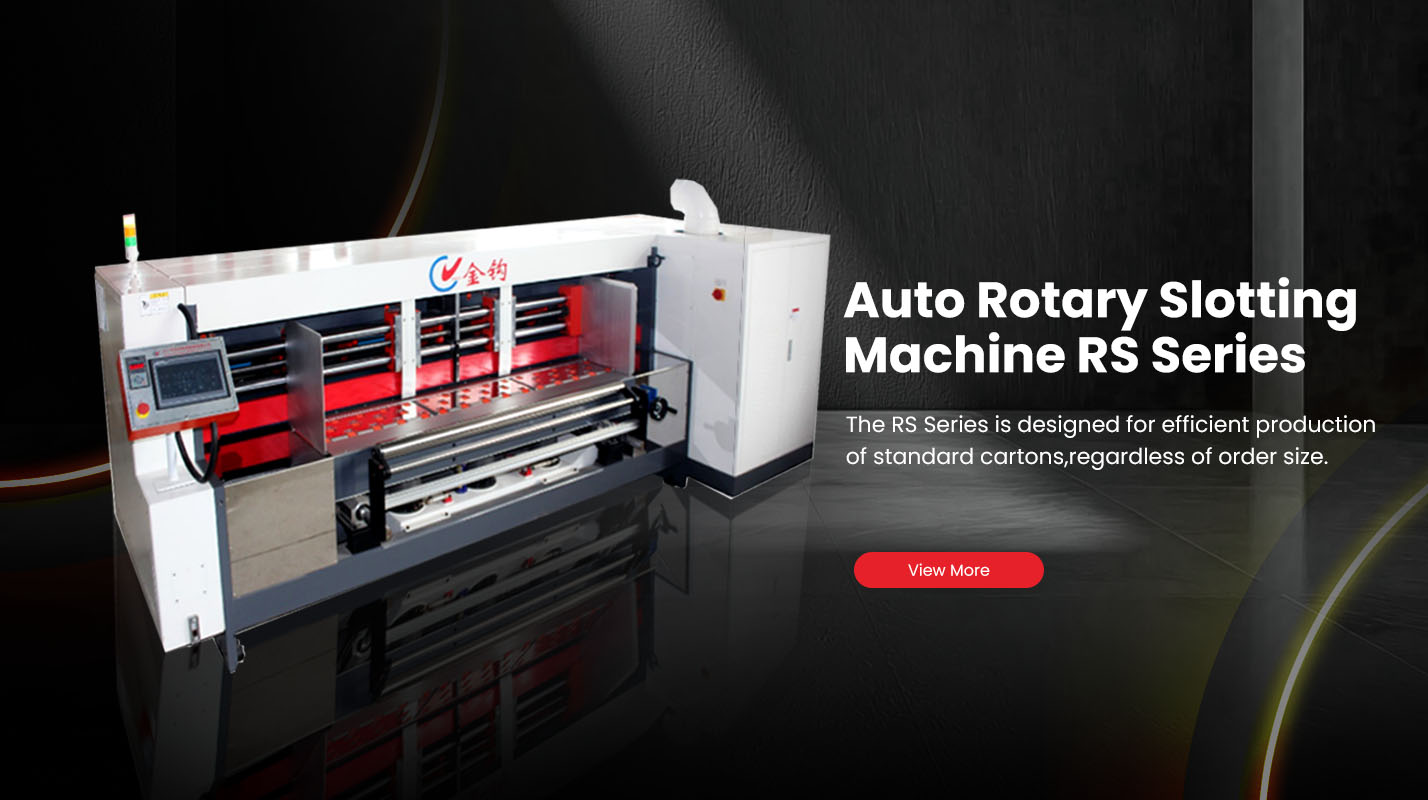
Jingou Packaging Machinery, for example, designs its carton forming machines with heavy-duty structural frameworks to ensure reliable performance even under long production cycles and mixed-order environments.
2. Blade, Scoring, and Slotting Component Maintenance
Cutting, scoring, and slotting components are at the heart of carton forming operations. These parts undergo continuous friction and impact with corrugated board, making them wear-critical components.
Key considerations include:
High-hardness alloy blades with long service life
Quick-release mechanisms for tool replacement
Precision blade alignment to reduce board tearing
Easy-access scoring and slotting modules for maintenance
Availability of spare parts through the manufacturer
Frequent inspection and timely blade replacement help maintain the quality of carton edges, fold accuracy, and compression strength.
3. Transmission System Durability
The reliability of belts, chains, gears, and motors directly affects production speed and stability. A well-engineered transmission system ensures smooth feeding, consistent board transfer, and synchronized motion across all forming stages.
Important reliability factors include:
High-quality drive motors
Tension-regulated transmission belts
Lubrication systems for gears and rollers
Shock-absorbing mechanisms
Protective housings against dust and fiber debris
Jingou's machine platforms adopt optimized drive systems designed to reduce vibration, minimize wear, and ensure sustained long-term operation.
4. Electrical System & Control Panel Safety
Modern carton forming machines rely heavily on automation and intelligent control systems. Ensuring electrical reliability is essential for stable performance.
Key elements include:
Industrial-grade PLC control systems
Overload protection and automatic shutdown functions
Stable power modules and wiring harnesses
Fault-diagnosis displays for rapid troubleshooting
Safe, sealed electrical cabinets to prevent dust intrusion
Reliable electronics reduce malfunctioning risk, improve safety, and enable precise control of forming sequences, dimensions, and speeds.
5. Feeding System Stability & Precision
Sheet feeding is one of the most common causes of carton forming interruptions. Accurate and consistent feeding ensures proper scoring, cutting, and folding.
Maintenance considerations include:
Regular cleaning of feeding rollers
Inspection for wear or softening of rubber rollers
Calibration of vacuum or suction feeding devices
Ensuring proper alignment and parallelism of entry guides
Stable feeding minimizes jamming, misalignment, and dimensional deviation, improving overall forming quality.
6. Dust Management & Cleanliness
Corrugated board production generates large quantities of paper dust and fiber particles. If unmanaged, this debris can:
Reduce sensor accuracy
Increase friction
Cause overheating
Affect lubrication points
Accumulate inside electrical housings
Machines equipped with dust-shield designs, easy-clean pathways, and optional dust-collection modules maintain performance for longer periods with fewer failures.
7. Preventive Maintenance Schedule
A reliable box-forming machine should be supported by a clear preventive maintenance program, including:
Daily lubrication points
Weekly checks of belts, chains, and roller surfaces
Monthly calibration of scoring and slotting tools
Periodic replacement of consumables
Scheduled inspections to detect small issues before they become major failures
Manufacturers that provide a documented maintenance system enable buyers to keep equipment performing at optimal levels.
8. Availability of Technical Support & Spare Parts
Reliable after-sales service is essential. Buyers should ensure that the manufacturer:
Provides quick-delivery spare parts
Offers remote or on-site technical assistance
Has multilingual support for international customers
Supplies manuals, videos, and maintenance training
Jingou Packaging Machinery maintains structured QC processes, spare-part systems, and dedicated customer service channels to support long-term machine performance for overseas buyers.
Conclusion
The reliability of carton forming machines is determined by their structural design, component durability, electrical stability, feeding precision, dust management, and long-term maintenance standards. For manufacturers and exporters seeking consistent packaging output and minimized downtime, understanding these considerations is key.
Jingou Packaging Machinery integrates precision engineering, durable components, and strong technical support into its one-stop carton forming solutions, enabling global clients to operate with confidence and efficiency.