




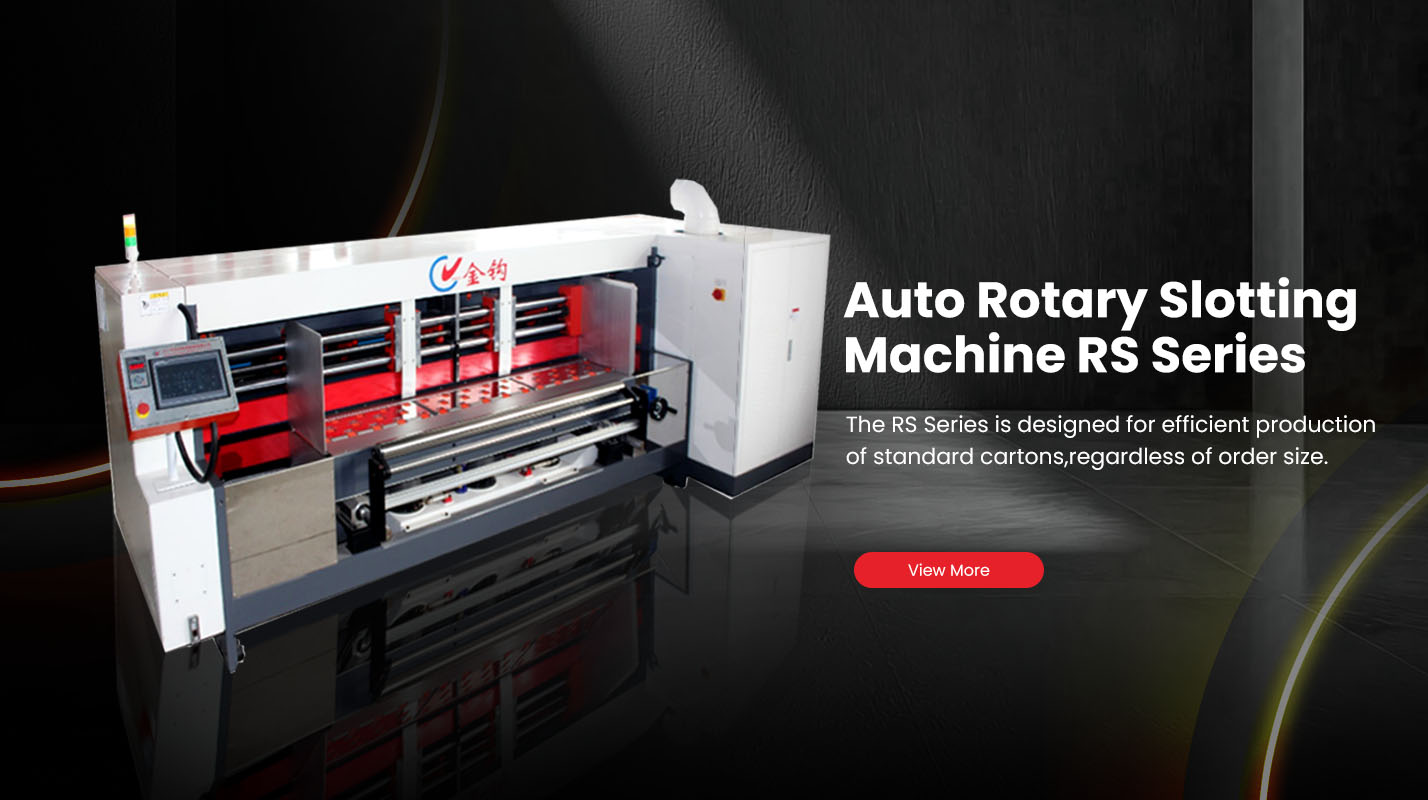
How Does Automation Level (Manual/Semi/Full) Impact The Cost-Benefit Of A Carton Forming Machine?
A Strategic Consideration for International Packaging Manufacturers
Automation level is one of the most decisive factors when evaluating the long-term value of carton forming equipment. From labor structure to energy consumption and production efficiency, automation directly influences ROI, competitiveness, and operational flexibility.
1. Manual Machines — Low Entry Cost, High Labor Dependency
Manual units require skilled operators for calibration, feeding, adjusting, and inspection. They offer low upfront investment but carry higher long-term labor costs. They are suitable for small workshops or regions where labor is abundant and changeover frequency is low.
2. Semi-Automatic Machines — Balanced Cost and Efficiency
Semi-automatic systems automate core processes such as feeding, slitting setup, scoring, or slotting adjustments. This reduces operator error, increases consistency, and lowers labor intensity. They offer a strong balance of affordability and productivity.
3. Full-Automatic Machines — Maximum Output & Lowest Total Cost Over Time
Fully automated carton forming lines optimize every stage:
Automatic feeding
Automated slitter-scorer adjustments
Precision slotting
Auto-folding and glueing
Digital recipe memory
Constant quality control
Although requiring higher upfront investment, fully automated solutions offer the lowest long-term operational cost for factories with large order volumes or diversified product lines.
4. Key Cost-Benefit Factors for Overseas Buyers
When evaluating automation level, buyers should consider:
Long-term labor cost vs. machine investment
Order types (large batch vs mixed small batch)
Required precision and consistency
Expected machine lifespan
Demand for rapid format changeovers
Packaging complexity (standard vs custom cartons)
Why Jingou Offers an Optimal Automation Roadmap
Jingou develops carton forming systems across manual, semi-automatic, and full-automatic ranges, enabling buyers to scale progressively as production grows. This flexibility allows overseas factories to optimize investment while ensuring long-term competitiveness in increasingly dynamic packaging markets.