




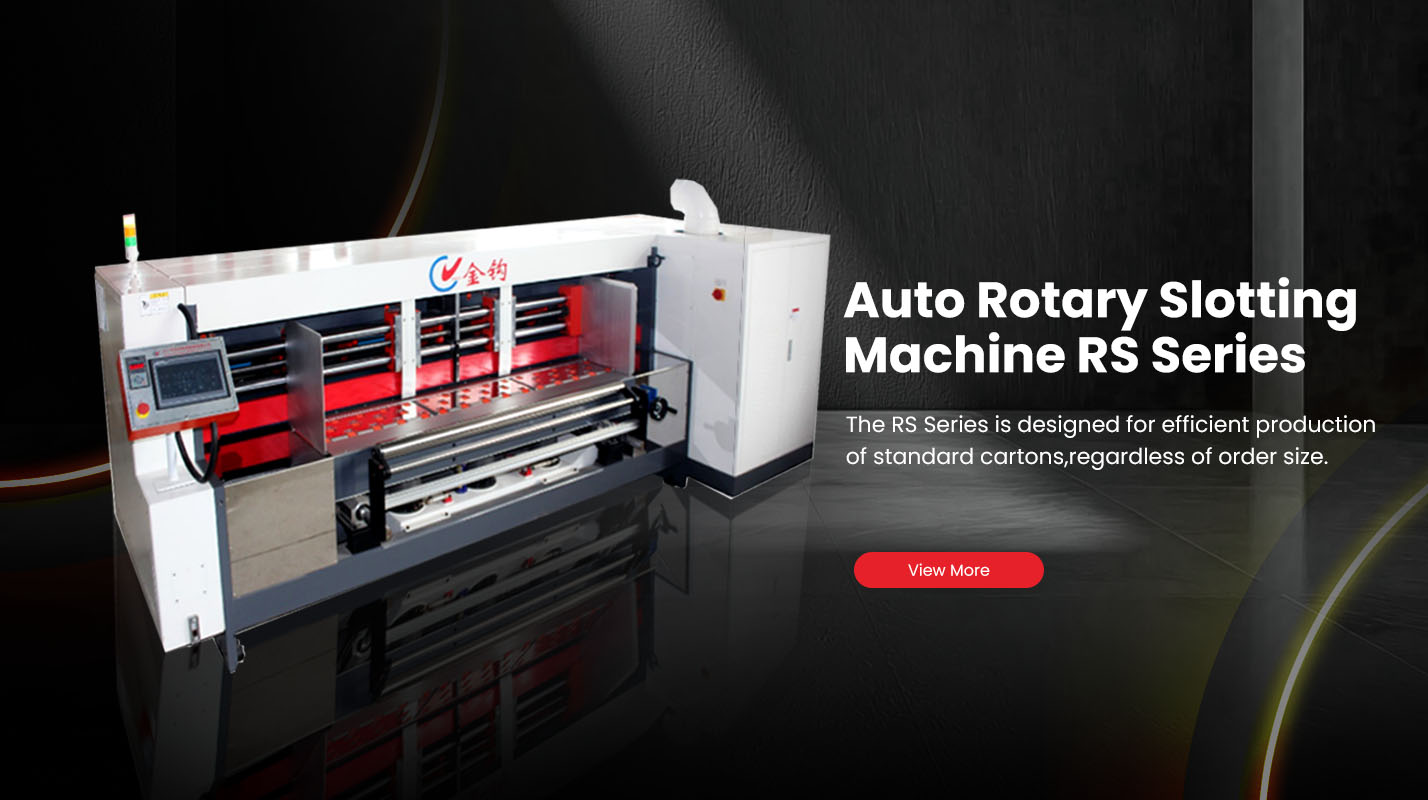
How Do I Compare Life-Cycle Costs Across Different Carton Forming Machine Brands?
As global demand for corrugated packaging continues to grow, more converters, box plants, and export-oriented manufacturers are investing in carton forming machines to increase productivity and improve packaging quality. However, purchasing the machine is only the first step. Over the long term, maintenance and reliability determine whether your investment generates real value or becomes a hidden cost center.
For international buyers evaluating equipment from different suppliers, understanding the key maintenance and reliability factors is essential. Below, we outline the most important points – and how a dedicated manufacturer like Jingou Packaging Machinery approaches them.
1. Robust Mechanical Design and Quality of Critical Components
The first layer of reliability sits in the machine’s core design and the quality of its critical parts.
Precision gears, bearings, shafts and transmission systems must be specified for continuous operation under industrial loads.
Key wear parts such as knives, scoring wheels, belts and suction cups should be manufactured from materials with proven durability.
Frame rigidity and machining accuracy affect long-term registration, folding precision and glue accuracy.
A carton forming machine that looks similar on the surface can perform very differently in the field if these fundamentals are not well engineered.
As a specialized manufacturer of corrugated converting and forming equipment, Jingou designs its machines for multi-shift use in demanding box plants, with a clear focus on stable running and long-term reliability rather than only short-term price.
2. Preventive Maintenance Accessibility and Daily Service Points
Reliable performance is not only about what is built into the machine, but also how easy it is to maintain in daily operation.
Key aspects buyers should look at:
Are lubrication points clearly marked and easy to reach?
Can operators access belts, chains and gearboxes without dismantling large assemblies?
Are inspection doors and safety covers designed to support safe, quick routine checks?
Is it clear where dust, paper scraps and glue residue tend to accumulate, and how to clean these areas?
A machine that is difficult to access inevitably receives less maintenance, which leads to more unexpected stops.
Jingou focuses on maintenance-friendly layouts on its carton forming machines, helping customers implement regular lubrication and inspection routines without disrupting production schedules.
3. Stability of Carton Feeding, Folding and Gluing Systems
In real production, most unplanned stops do not come from dramatic mechanical failures, but from small issues in feeding, folding, or gluing.
Important reliability considerations include:
Feeding section: stable vacuum or friction feeding to handle different board grades and flute types without constant manual adjustment.
Folding section: precise guide rails and belts that keep scores aligned, reducing fishtailing and open flaps.
Gluing system: consistent glue application with controlled pressure and volume, minimizing glue splash, contamination and rework.
When these sections are stable, the machine can run long jobs with minimal stoppages, and short jobs with quick, clean changeovers.
Jingou’s equipment is designed specifically for corrugated applications, with attention to consistent feeding and folding on 3-ply and 5-ply boards and multi-type carton designs.
4. Electrical and Control System Reliability
Modern carton forming machines increasingly rely on PLC control, servo drives and sensors. While this adds flexibility and accuracy, it also introduces new reliability requirements:
Use of proven PLC brands, industrial-grade sensors and wiring components.
Clear wiring and labeling inside the electrical cabinet to simplify troubleshooting.
Protection against dust, vibration and temperature fluctuations in the plant environment.
Software and HMI design that supports diagnostic messages and error logging.
A well-designed control system reduces downtime by making faults easier to identify and correct. Jingou pays special attention to well-documented control layouts and clear alarm messages so maintenance teams can quickly locate issues.
5. Spare Parts Strategy and Standardization
Even the most reliable machine requires periodic replacement of wear parts. From a maintenance and reliability perspective, buyers should consider:
How many critical wear parts are unique to that model, and how many are standard, easily sourced components?
Are recommended spare parts lists provided by the supplier at the time of purchase?
Are there local stock options or fast shipment channels from the manufacturer?
Jingou typically works with customers to define startup spare parts packages for new carton forming machines, so that common wear items and critical components are available on site, minimizing unplanned downtime.
6. Operator Training and Maintenance Culture
A robust machine can still lose reliability if operators and maintenance staff are not properly trained.
Good suppliers support customers with:
Training on correct machine start-up and shut-down procedures.
Daily, weekly and monthly maintenance checklists.
Guidance on how to recognize abnormal noises, vibration or quality changes that may signal a coming failure.
Safety instructions to ensure that all interventions are done in a secure way.
For Jingou, after-sales training is a core part of each project. The goal is to help customers build a maintenance culture rather than only react to breakdowns.
7. Data, Monitoring and Long-Term Performance Tracking
More advanced plants are starting to track carton forming machine performance through:
Production counts and uptime percentages.
Recorded stoppages and alarm types.
Quality-related rework rates and scrap levels.
This data allows managers to see whether reliability is improving, stable or declining. When trends show increasing stoppages or defects, maintenance actions can be planned proactively.
Jingou supports customers in setting up basic performance tracking and can advise on how to interpret trends for maintenance decisions.
8. How Jingou Packaging Machinery Positions Itself on Maintenance & Reliability
For overseas buyers evaluating different suppliers, asking detailed maintenance questions is an effective way to judge engineering depth and commitment to long-term cooperation.
As a focused corrugated packaging machinery manufacturer, Jingou:
Designs carton forming and related machines for stable, multi-shift industrial operation.
Prioritizes accessible maintenance points and clear mechanical layouts.
Uses proven components and control systems suitable for export markets.
Provides training, recommended spare parts lists and ongoing technical support.
This approach supports customers who are not only looking for a machine, but for a reliable long-term partner in carton production.
Conclusion
Top maintenance and reliability considerations for carton forming machines include robust mechanical design, easy access for preventive maintenance, stable feeding and folding, dependable control systems, a clear spare parts strategy, good operator training and performance monitoring.
For companies planning to invest in new equipment or upgrade existing lines, choosing a supplier that understands these factors and builds them into the machine from the start is essential.
Jingou Packaging Machinery is dedicated to delivering reliable, maintenance-friendly carton forming solutions for global customers, helping them secure consistent carton quality and higher overall equipment effectiveness over the full life cycle of the machine.