




What Installation Considerations Should I Account for When Adding A Carton Forming Machine?
As the global corrugated packaging market continues its upward growth, more manufacturers, logistics companies, and exporters are investing in carton forming machines to gain production flexibility, reduce carton procurement costs, and strengthen packaging quality. However, the success of any machine investment depends heavily on proper installation planning.
For overseas buyers evaluating new equipment—whether upgrading from manual folding or integrating advanced automation—the installation phase is a critical determinant of long-term reliability, output stability, and ROI. Below is an industry-focused breakdown of the key installation considerations global companies should prioritize.
1. Space Requirements and Layout Planning
Before installing a carton forming machine, buyers must confirm that production spaces can accommodate:
Machine footprint (including maintenance access)
Material flow paths for corrugated board input and finished carton discharge
Safety clearances for operators
Future expansion zones if additional units will be added later
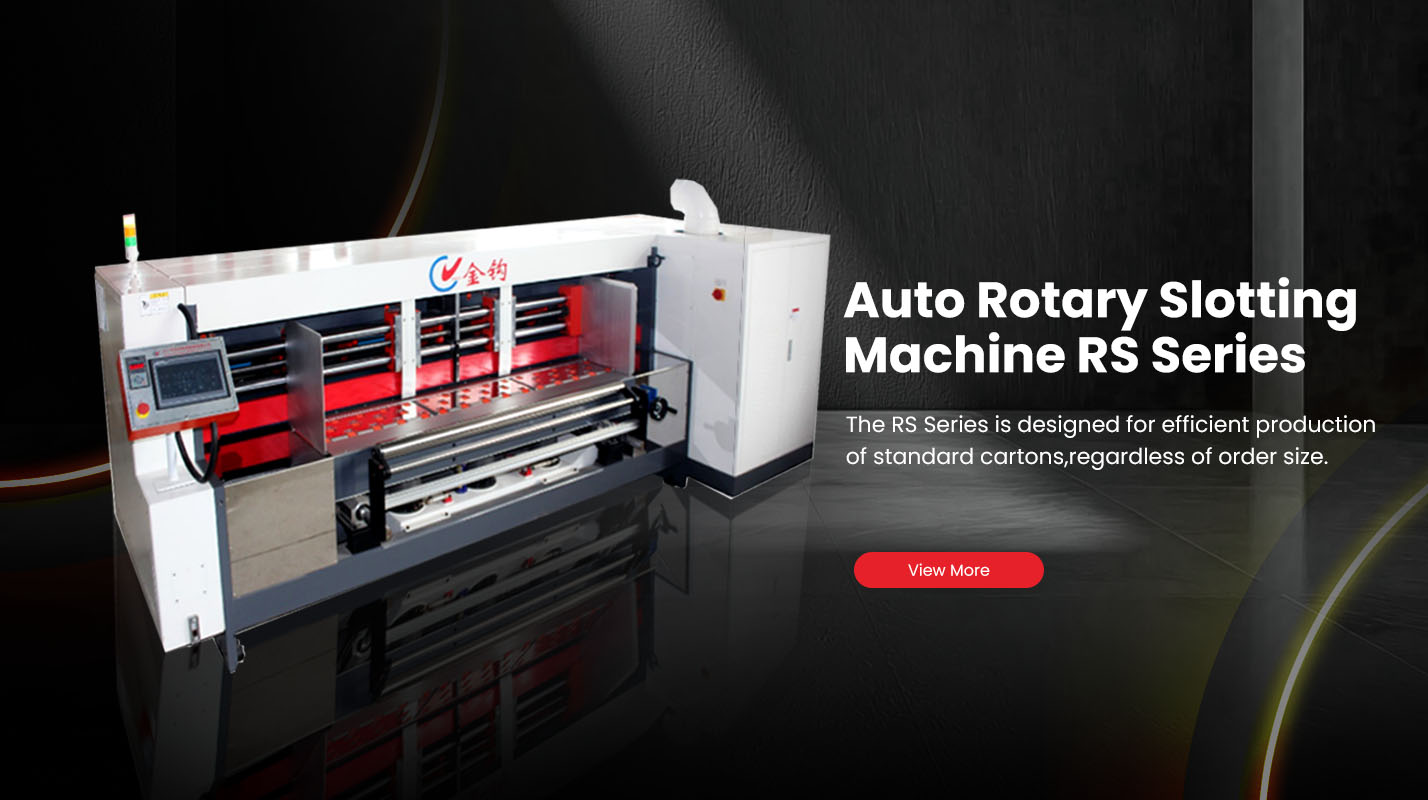
Facilities with limited space—common in urban operations or multi-line packaging floors—must plan efficient equipment positioning to avoid workflow bottlenecks. Jingou’s machines, for example, are designed with compact footprints to support small- to mid-scale plants requiring flexible layouts.
2. Power Supply, Electrical Stability, and Voltage Matching
Different markets operate on different industrial power standards. Ensuring compatibility with local voltage and amperage is essential.
Buyers must check:
Required voltage (e.g., 380V/400V three-phase)
Surge protection and grounding
Any stabilizer or UPS needs in regions with unstable electricity
A stable electrical environment directly impacts machine accuracy, scoring quality, blade performance, and long-term machine life.
3. Air Supply & Pneumatics
Most carton forming machines rely on pneumatic systems for folding, slotting or stamping movements.
Therefore, buyers must ensure:
Clean, dry compressed air
Stable air pressure (commonly 5–7 bar)
Correct air pipeline sizing
Air filtration systems
Poor air conditions often cause slow actuation, misalignment or inconsistency—issues that can be avoided with proper installation planning.
4. Floor Strength, Leveling, and Vibration Control
High-precision cutting and scoring require a stable foundation. A carton forming machine performs best when installed on:
A reinforced, vibration-free floor
A perfectly level surface (critical for accuracy and mechanical alignment)
Facilities located in older buildings or light-duty structures must verify load-bearing capacity.
5. Workflow & Upstream/Downstream Integration
When integrating a carton forming machine into an existing packaging line, buyers must evaluate:
Upstream processes (corrugated sheet delivery, die-cut storage, etc.)
Downstream systems (gluing, sealing, bundling, stacking, palletizing)
The required buffer zone for high-speed operation
Automation synchronization (sensors, signals, conveyors)
Jingou’s machines are engineered to integrate easily into traditional lines and smart-factory workflows, reducing human handling and speeding up packaging cycles.
6. Environmental Conditions & Factory Climate Control
Environmental factors directly influence carton forming quality. Consider:
Humidity levels (corrugated board may warp in high humidity)
Temperature stability (affects adhesive curing & machine accuracy)
Dust levels (important for thin-blade slitter and scoring components)
Maintaining stable conditions ensures consistent carton folding angles, clean slotting edges, and strong structural integrity.
7. Accessibility for Maintenance & Spare Parts Storage
Space should be reserved for:
Routine lubrication zones
Access panels
Blade replacement paths
Emergency stop access
Convenient storage of spare parts (belts, blades, scoring wheels, lubricants)
Well-planned installation minimizes downtime and protects the machine’s service life.
8. Safety & Compliance Requirements
Different countries enforce different safety codes. Buyers should account for:
Machine guarding
Emergency shutdown requirements
Operator safety distance
CE/ISO compliance (Jingou machines meet international standards)
Proper compliance not only protects workers but also helps avoid regulatory problems.
9. Operator Training & Workflow Adjustment
A carton forming machine can achieve high efficiency only if operators are:
Properly trained
Familiar with changeover procedures
Ready to maintain consistent feeding quality
Aware of troubleshooting basics
Clear training arrangements should be part of the installation plan to enable fast startup.
Global Trend Insight: Why Installation Quality Matters More in 2025 and Beyond
With packaging trends moving toward:
Short-run production
SKU diversification
Sustainability-driven packaging optimization
Higher automation levels
Buyers increasingly value carton forming machines capable of flexible operation and rapid installation. Jingou’s equipment, especially its thin-blade slitter scorers and multi-size forming units, is designed to help customers transition smoothly into modern paper-based packaging needs.
Conclusion: Proper Installation Is the Foundation of High-Performance Packaging
Choosing a carton forming machine is only the first step. Ensuring the right installation environment—power, layout, airflow, workflow, climate, safety, and operator readiness—determines long-term reliability, carton quality, and total cost of ownership.
For global buyers seeking flexible, custom-size packaging solutions, efficient production, and strong machine lifecycle value, Jingou Packaging Machinery provides equipment specifically engineered to integrate smoothly into diverse production environments.