




Analysis Of Sustainable Corrugated Packaging And The Impact Of Environmental Regulations
What Sustainable Corrugated Packaging Means In Manufacturing
Sustainable corrugated packaging is defined by measurable reduction of material waste and production inefficiency, not by material choice alone. In practical manufacturing terms, sustainability is achieved through optimized paper usage, right-sized cartons, reduced trim waste, stable slitting and scoring quality, and lower rework rates. Packaging that is recyclable but inefficiently produced does not meet real sustainability goals.
For corrugated packaging plants, sustainability is closely linked to production accuracy, flexible box sizing capability, and consistent quality output, especially when handling diversified orders.
How Environmental Regulations Are Changing Corrugated Packaging
Environmental regulations across global markets are increasingly focused on recyclability, packaging reduction, and waste accountability. These requirements push corrugated packaging toward lighter structures, simplified designs, and improved transport efficiency.
As a result, buyers now expect packaging suppliers to support:
Reduced material usage without compromising performance
Right-sized cartons that minimize empty space
Consistent quality when using higher recycled fiber content
Lower defect rates to avoid unnecessary waste
Compliance pressure is shifting sustainability from a design concept to an operational requirement.
The Operational Impact On Corrugated Packaging Production
Regulation-driven sustainability directly affects factory operations. Right-sizing and material reduction increase the need for small-batch, multi-SKU production, while reducing tolerance for manufacturing errors. When grammage is lowered, poor scoring, unstable slitting, or inaccurate slotting quickly lead to carton failure and waste.
This makes process stability, precision, and changeover efficiency critical to meeting both sustainability and regulatory expectations.
Why Equipment Capability Matters For Sustainable Packaging
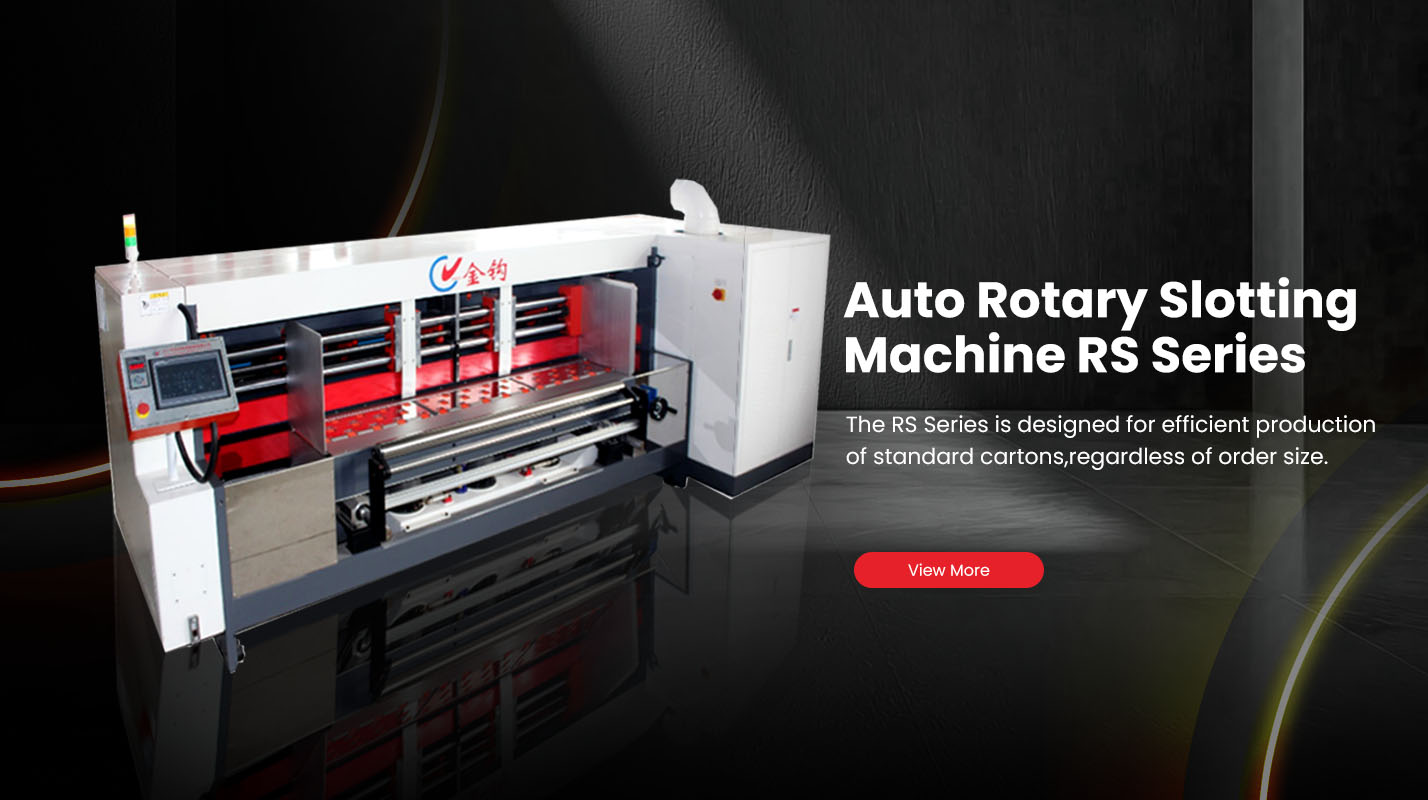
Sustainable corrugated packaging depends on production equipment that can reduce waste at the process level. Precision cutting, scoring, and slotting help minimize trim loss and rejected cartons. Automation improves consistency during frequent order changes and reduces setup-related scrap.
JINGOU focuses on corrugated carton machinery designed for small quantity orders and diversified carton production, addressing a long-standing industry challenge where short runs traditionally lead to low efficiency and high waste. This includes continuous development of automatic thin blade slitter scorer solutions and functional carton forming equipment with patented designs and CE certification.
Sustainability Requirements Are Reshaping Buyer Expectations
Overseas buyers increasingly evaluate corrugated packaging suppliers by their ability to:
Support right-sized cartons across many SKUs
Maintain stable quality with lighter paper structures
Reduce waste during short production runs
Deliver repeatable results that align with compliance audits
Manufacturers that lack flexible and precise production systems often struggle to meet these expectations consistently.
Conclusion
Environmental regulations are accelerating the shift toward sustainable corrugated packaging by emphasizing recyclability, material reduction, and waste control. These pressures require packaging plants to move beyond material selection and focus on process efficiency and production accuracy.
By targeting small quantity orders, diversified carton formats, and integrated automation, JINGOU supports corrugated manufacturers adapting to regulatory-driven sustainability demands. When packaging design goals are matched with capable, flexible production equipment, sustainability becomes a practical outcome rather than an abstract objective.