




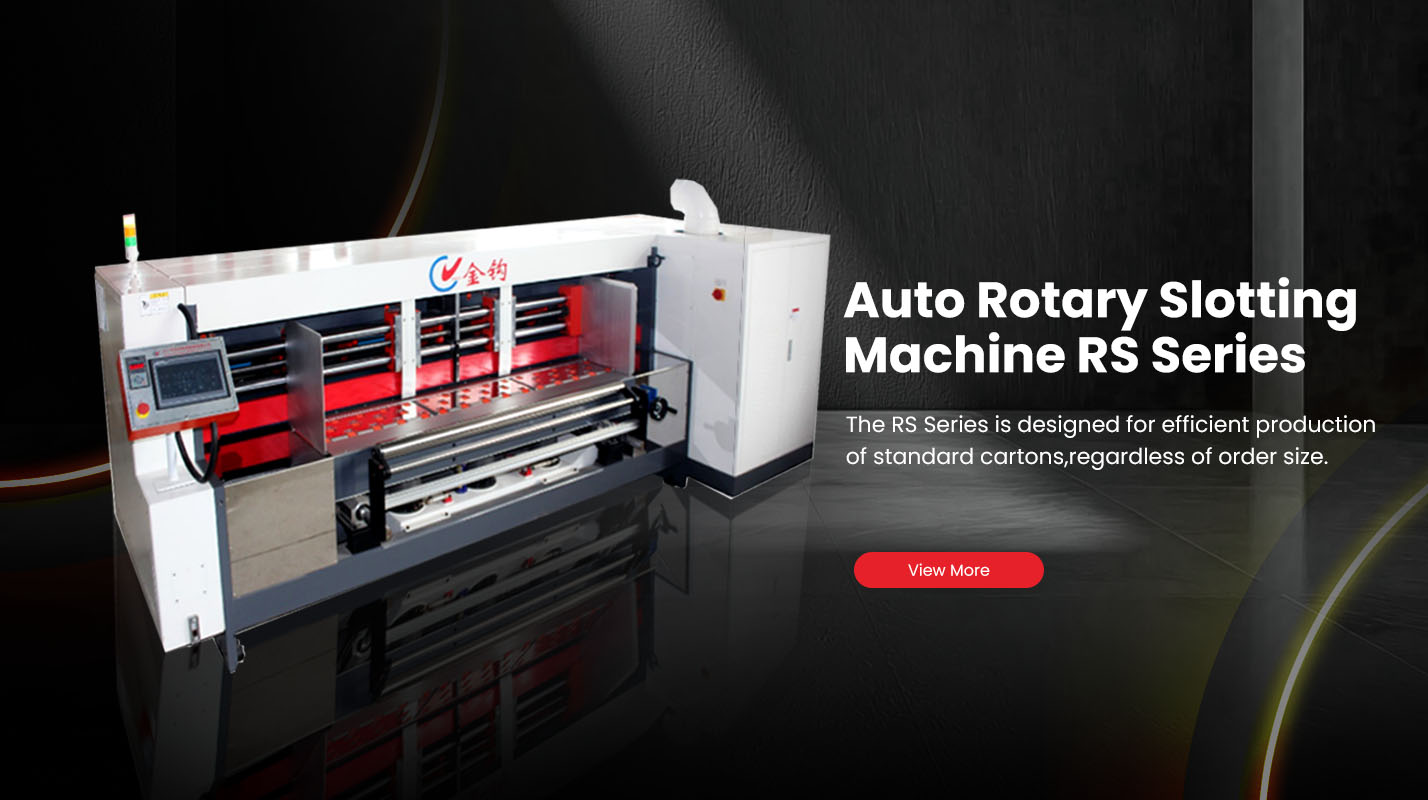
Carton Forming Machines: Performance Comparison And Buying Guide
Why Choosing the Right carton forming machine Matters
In modern packaging factories, carton forming machines are pivotal for transforming flat corrugated blanks into fully shaped cartons ready for filling, sealing, and shipment. With increasing production demands, diversified order sizes, and shorter turnaround times, selecting the right carton forming equipment directly affects productivity, cost-efficiency, and quality consistency.
This guide helps overseas buyers understand performance differences between machines and make informed purchasing decisions, while naturally incorporating insights about my company’s production philosophy and equipment characteristics.
What Carton Forming Machines Do
Carton forming machines automate the process of:
Opening flat corrugated blanks
Creasing and folding carton panels at precise angles
Locking or gluing the bottom and/or top flaps
Delivering formed cartons in ready-to-fill condition
Compared with manual or semi-automatic methods, automatic carton forming drastically reduces labor, improves consistency, and supports sustained production speeds compatible with downstream filling and sealing equipment.
Main Types of Carton Forming Machines
1. Entry-Level Carton Forming Machines
Typical Characteristics
Lower speed range
Basic flap folding and bottom locking functions
Simple adjustment mechanisms
Suitable For
Small factories
Low-to-moderate volume runs
Occasional size changes
Limitations
Limited automation and stability
Manual feeding or adjustment increases downtime
Not ideal for frequent SKU changeovers
2. Mid-Level Automatic Carton Formers
Key Features
Higher forming speed
Automatic bottom locking or gluing
Adjustable guides for multiple carton sizes
Advantages
Better suited for medium throughput
Reduced manual adjustment compared with entry machines
Greater consistency and reduced defect rates
Typical Applications
Medium-volume packaging lines
Factories with some SKU variety
3. Advanced Fully Automatic Carton Forming Machines
Key Features
High operating speed
PLC/HMI control with programmable format change
Automated feeding, bottom sealing, and optional top sealing
Modular integration with conveyors and downstream systems
Performance Strengths
High efficiency with minimal operator intervention
Fast changeover for diversified orders
Stable carton formation quality even during long, continuous runs
Best Fit
High-volume packaging lines
Factories with frequent size changes
Lines integrated with automatic filling, sealing, or palletizing
Performance Factors to Compare
1. Production Speed
Machine speed is often the first consideration, but speed without stability can reduce overall efficiency. A high-speed carton forming machine that cannot maintain precise fold angles or stable bottom formation may generate rejects, increasing rework and waste.
A meaningful performance comparison should evaluate:
Rated speed vs. actual stable operating speed
Speed under high-frequency size change scenarios
Impact on downstream filling lines
2. Precision and Registration
Precise carton registration, accurate flap alignment, and consistent crease quality reduce:
Carton misfeeds
Bottom sealing failures
Jams at filling or sealing stations
Some machines use automatic guides or servo-assisted controls to maintain precision across formats.
3. Flexibility and Format Changeover
Small-batch, multi-SKU orders are a key trend in global packaging. Machines that support:
Quick size adjustments
Tool-free or minimal mechanical changeovers
Memory settings via HMI interfaces
offer significantly better operational efficiency than fixed-format designs.
4. Automation and Operator Load
Fully automatic machines reduce dependence on skilled labor and minimize human error. Features to look for include:
Automatic carton blank detection
Automated flap control
Simple PLC-controlled interfaces
In contrast, lesser automation often leads to:
Longer setup times
Higher operator fatigue
Inconsistent quality across shifts
5. Waste Control and Material Yield
Carton forming machines also influence packaging efficiency indirectly through:
Less manual handling
Reduced margin errors around folds
Stable handling that decreases damage to blanks
Machines that maintain precise mechanical stability contribute to lower material waste and more predictable production outcomes.
Buying Guide: What Overseas Buyers Should Look For
1. Production Needs First, Appearance Second
Evaluate machine capability based on your order mix, production volume, and integration plans. A visually sophisticated machine is not always a better fit if it cannot handle frequent size changes or sustained production runs.
2. Flexibility and Diverse Order Handling
Factories increasingly run:
Short batches
Varied carton dimensions
Frequent SKU changes
Choose machines that support quick format adjustment and consistent performance across size ranges.
3. Control System And Operational Simplicity
Modern cartons lines benefit from PLC + HMI control systems that:
Store format parameters
Reduce setup errors
Allow remote adjustments
Stable control systems also make it easier for operators with varied experience levels to maintain high output.
4. Serviceability And Support
Consider:
Availability of spare parts
Ease of field servicing
Local technical support for training and troubleshooting
Good machine design anticipates maintenance needs and minimizes downtime.
5. Integration With Packaging Lines
Automatic carton forming machines should not be evaluated in isolation. Examine how well they integrate with:
Automatic feeders
Case packers
Sealing and strapping units
Downstream labeling or palletizing
A cohesive system reduces handling points and improves synchronized throughput.
How JINGOU Aligns With Modern Packaging Trends
At JINGOU, we emphasize practical performance and real production adaptation. In our automatic carton forming machines, this means:
Stable mechanical design that supports high operating speeds without sacrificing fold precision
Flexible format handling to serve multi-size, small-batch orders with minimal changeover time
User-friendly control systems that simplify setup and parameter recall
Functional integration that supports seamless line expansion and improved material flow
This operational focus reflects our commitment to helping manufacturers meet evolving packaging requirements in cost-effective and quality-consistent ways.
Checklist For Comparing Carton Forming Machines
| Evaluation Area | What To Look For |
|---|---|
| Production Speed | Stable throughput, not just peak rating |
| Format Flexibility | Simple, quick adjustment |
| Automation Level | Reduced operator load |
| Precision | Accurate crease and fold quality |
| Integration | Connectivity with other line equipment |
| Support & Service | Accessible parts and technician support |
Conclusion
Selecting the right carton forming machine requires a balanced assessment of production volume, quality requirements, automation level, and future expansion plans. Performance comparisons should focus on actual operating stability, format flexibility, and long-term yield, rather than headline speed ratings.
By prioritizing practical performance metrics and alignment with modern packaging needs, buyers can choose carton forming equipment that enhances production efficiency, reduces waste, and supports steady quality in high-demand operations. With an emphasis on stable performance, flexibility, and user-friendly control systems, JINGOU’s range of automatic carton forming machines aligns with the needs of contemporary packaging factories seeking reliable and efficient solutions.