




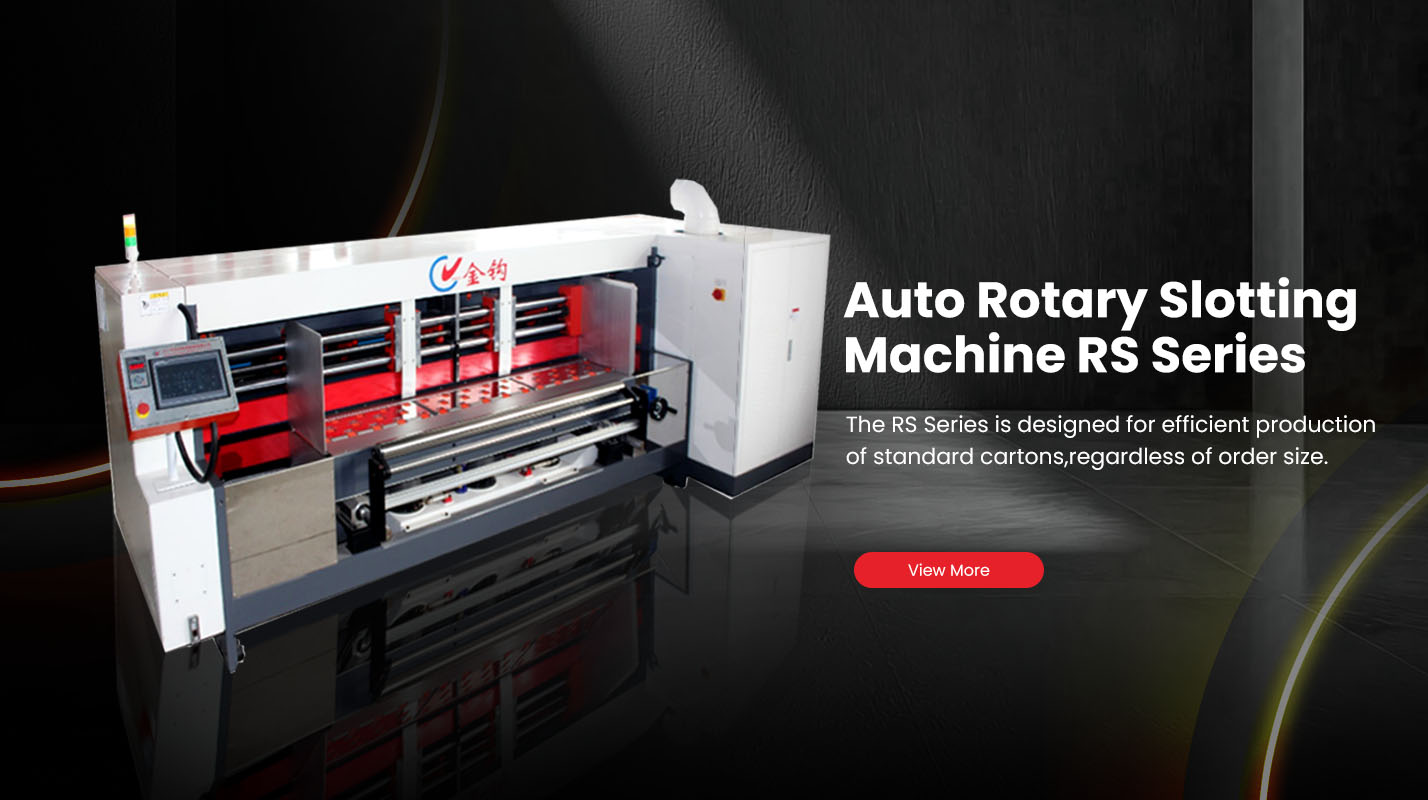
How To Choose The Most Suitable Automated Packaging Equipment for Small To Medium Batch Production
Understanding Small to Medium Batch Production Needs
Small to medium batch production is characterized by frequent changeovers, diverse product sizes, and mixed order requirements. Unlike long continuous runs where a single equipment configuration can run for days, small to medium batches require machines that are flexible, easy to adjust, and maintain consistent quality across varied orders.
In this context, the choice of automated packaging equipment directly affects production efficiency, labor usage, material waste, and overall line stability.
Focus on Flexibility and Quick Changeovers
Multi-Size Handling Capability
When batch sizes vary, equipment that supports quick format changes becomes essential. Machines with:
Easy-to-adjust guides or conveyor widths
Memory settings for frequently used sizes
Minimal tool-change requirements
help reduce downtime between batches and improve throughput.
This is important because small to medium batches often involve multiple SKUs in a single shift.
Fast and Simple Size Adjustment
Automated packaging equipment for this segment should be designed so that operators can perform format changes without specialized tools or lengthy setup procedures. If format change takes too long, the equipment becomes a bottleneck rather than a productivity enabler.
Balance Between Automation and Adaptability
Layered Automation Levels
Full automation is valuable, but in small-to-medium batch production, over-automation can be counterproductive if format changes remain complex. Equipment that offers:
Semi-automatic modes with assisted setup
Activity-specific automation (e.g., automated feeding + manual fine-tuning)
Adjustable automation depth based on batch size
provides a practical balance. It allows high output when needed while preserving flexibility for diversified orders.
Focus on Control Precision to Reduce Waste
Consistent Quality Across Batches
Machines with stable mechanical systems and reliable control logic reduce scrap. For example, in carton forming, slitting, or slotting:
Precise alignment ensures accurate folds and dimensions
Repeated format recall minimizes manual variability
Stable tension and feed control prevents defects
Inconsistent quality in small batches leads to rework and waste, undermining the benefits of automation.
Integrated Control Interfaces
An intuitive control interface (e.g., PLC + HMI) improves efficiency by providing operators with:
Clear setup guidance
Quick access to saved parameters
Immediate feedback when adjustments are needed
This reduces trial-and-error adjustments that waste time and material.
Evaluate Machine Throughput in Real Context
Rated Speed vs. Stable Operating Speed
Rated machine speed often does not reflect actual performance in diversified small-batch environments. Evaluate equipment based on stable operating speed under frequent format changes, not just maximum output under ideal conditions.
This means prioritizing machines that maintain consistent performance during actual production conditions over those that only demonstrate peak performance for long runs.
Minimize Changeover Impact
Look for equipment features such as:
Quick changeover mechanisms
Modular components that clamp or slide into place
Size memory storage for repeated jobs
These features help maintain production flow and reduce idle machine time.
Consider Integration With Other Packaging Processes
Line Compatibility
For small to medium batch production, packaging machines rarely operate in isolation. Consider how well the equipment integrates with upstream and downstream processes such as:
Feeding systems
Carton forming or slitting machines
Sealing, labeling, or palletizing units
Smooth integration reduces handling and transition errors.
Support For Mixed Production Lines
Equipment that allows different production paths (e.g., multiple conveyors, product sensors, parallel functions) improves responsiveness when batch orders vary significantly.
Practical Buying Criteria For Small To Medium Batch Packaging
1. Mechanical Stability and Build Quality
A robust mechanical foundation ensures consistent performance across variable settings. Machines with solid frames, precise motion control, and quality components handle diverse conditions better.
2. Ease Of Adjustment And Operation
Machines that are quick to adjust and intuitive to operate reduce dependency on specialized technicians. Key indicators include:
Accessible adjustment points
Clear operator interface
Minimal manual intervention steps
3. Control System Intelligence
Automated equipment should allow for:
Parameter memory storage
Error detection and guidance
Real-time monitoring of performance
A smart control system helps minimize trial-and-error setup.
4. Support And Serviceability
Post-purchase support is vital for smooth operation. Consider:
Accessibility to spare parts
Ease of field service
Training and documentation availability
Good serviceability reduces downtime and helps operators manage complex production tasks.
5. Scalability And Future-Proofing
Packaging needs evolve. Equipment that can be upgraded or integrated with additional modules helps factories adapt without full replacement.
This is particularly relevant for small to medium batch production where requirements expand over time.
JINGOU’s Philosophy In Small To Medium Batch Equipment
At JINGOU, we design equipment with practical factory conditions in mind. Our approach emphasizes:
Stable mechanical performance that supports diversified batch production
Flexible adjustment mechanisms for quick format changes
User-friendly control systems that simplify setup and reduce dependency on manual skill
Integrated performance support for consistent quality across batches
By aligning equipment design with real production needs rather than idealized long-run benchmarks, JINGOU aims to support manufacturers in improving efficiency, reducing waste, and maintaining quality in small to medium batch packaging environments.
Conclusion
Choosing suitable automated packaging equipment for small to medium batch production requires a balance of flexibility, stability, and operational simplicity. Rather than prioritizing only high rated speed, focus on:
Quick changeover and multi-size capability
Stable performance with frequent adjustments
Intuitive controls and automation level that matches real needs
Integration readiness with other production processes
Good support and scalability
Machines designed around these principles help packaging factories maintain high efficiency and consistent quality, even under diversified batch demands. With a focus on practical adaptability and stable performance, JINGOU’s equipment solutions help manufacturers meet the evolving challenges of small to medium batch production.