




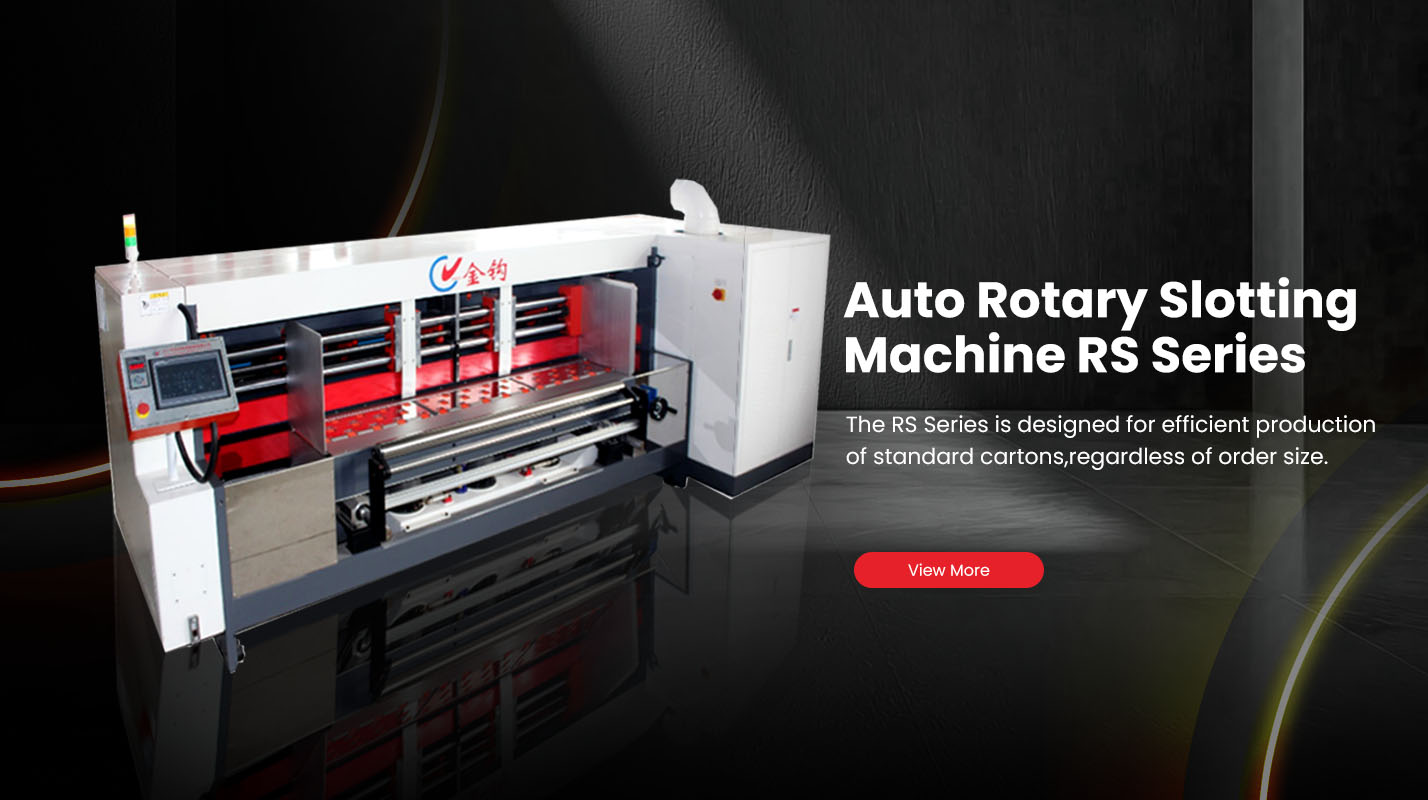
Why Adaptive Production Lines Are Becoming Essential Packaging Factories Are Facing A Fundamental Shift From Long
Why Energy Efficiency Has Become A Core Issue In Packaging Manufacturing
Energy consumption is no longer a secondary consideration in packaging equipment selection. Rising energy costs, stricter environmental regulations, and growing sustainability expectations from overseas buyers are pushing packaging factories to re-evaluate how machinery impacts both operating expenses and environmental performance.
Energy-efficient packaging machinery is not only about reducing electricity usage. It also affects production stability, waste control, equipment lifespan, and compliance with green manufacturing requirements.
How Packaging Machinery Influences Energy Consumption
Packaging machinery consumes energy through motors, pneumatic systems, heating elements, control systems, and auxiliary equipment such as conveyors. Inefficient machines often waste energy through:
Overpowered motors running continuously
Poor mechanical transmission efficiency
Frequent start-stop cycles caused by unstable operation
Excessive compressed air usage
Rework and scrap that increase overall production time
Energy efficiency is therefore closely tied to machine design quality and process stability, not just rated motor power.
Key Advantages Of Energy-Efficient Packaging Machinery
Direct Reduction Of Operating Costs
Lower energy consumption translates directly into reduced operating expenses. In high-utilization packaging lines, even small efficiency improvements can result in significant long-term cost savings.
Energy-efficient machines help factories:
Lower electricity bills
Reduce peak load pressure
Improve cost predictability
This is especially important for manufacturers operating multiple shifts or high-volume lines.
Improved Production Stability And Less Energy Waste
Machines designed for energy efficiency typically operate more smoothly and consistently. Stable operation reduces unnecessary motor load changes, compressed air losses, and idle running time.
When machines run steadily:
Less energy is wasted during acceleration and deceleration
Fewer stoppages reduce restart energy spikes
Overall equipment efficiency improves
Energy efficiency and production stability often improve together.
Lower Material Waste Supports Sustainability Goals
Energy-efficient packaging machinery often integrates precise control and automation. This precision reduces defects such as misfolded cartons, sealing failures, or alignment errors that lead to scrap.
By reducing material waste:
Less energy is consumed per finished package
Sustainability performance improves across the production cycle
Environmental compliance becomes easier to document
Waste reduction is a key component of green manufacturing.
Technologies That Improve Energy Efficiency In Packaging Equipment
High-Efficiency Motors And Drives
Modern packaging machinery increasingly uses high-efficiency motors and optimized drive systems. These components convert electrical energy into mechanical output more effectively and reduce heat loss during operation.
Variable speed control allows motors to run only at the required output level rather than full capacity at all times.
Intelligent PLC Control Systems
PLC-based control systems improve energy efficiency by coordinating machine actions precisely. Motors, actuators, and auxiliary systems operate only when needed, reducing idle energy consumption.
Smart control logic also minimizes unnecessary motion and prevents repeated corrective cycles that waste energy.
Optimized Mechanical Structure And Transmission
Efficient mechanical design reduces friction and power loss. Well-aligned transmission components, balanced moving parts, and stable machine frames require less energy to maintain accurate motion.
Mechanical efficiency directly affects long-term energy consumption and maintenance cost.
Reduced Dependence On Compressed Air
Compressed air is one of the most energy-intensive utilities in packaging factories. Energy-efficient machinery minimizes pneumatic usage by replacing air-driven functions with electric actuators where possible.
Reducing air consumption lowers both energy use and maintenance demands.
Energy Efficiency And Green Manufacturing Compliance
Supporting Environmental Regulations And Buyer Expectations
Many overseas markets now require packaging suppliers to demonstrate energy-conscious production practices. Energy-efficient machinery supports compliance by:
Lowering carbon footprint per unit
Improving resource utilization metrics
Supporting sustainability reporting requirements
Buyers increasingly view energy efficiency as a qualification factor, not just a cost advantage.
Long-Term Sustainability Over Short-Term Output
Green manufacturing focuses on total lifecycle performance rather than peak output alone. Machines that consume less energy, generate less waste, and operate reliably over long periods align better with sustainable production goals.
Energy efficiency contributes to long-term factory competitiveness rather than short-term speed gains.
JINGOU’s Approach To Energy-Efficient Packaging Machinery
JINGOU focuses on packaging machinery designed for practical efficiency under real production conditions. Energy efficiency is achieved through stable mechanical design, optimized motion control, and PLC-based intelligent operation rather than excessive motor power.
By emphasizing functional integration and reduced waste during production, JINGOU equipment helps manufacturers lower energy consumption while maintaining consistent output quality, particularly in environments handling diversified orders and frequent changeovers.
Evaluating Energy Efficiency When Purchasing Packaging Machinery
Look Beyond Rated Power
Rated motor power alone does not reflect actual energy usage. Buyers should consider:
Stable operating energy consumption
Idle energy behavior
Energy use during changeovers and adjustments
Consider Total System Efficiency
Energy efficiency should be evaluated at the system level, including:
Mechanical transmission
Control logic
Integration with other line equipment
An efficient single machine may still waste energy if poorly integrated into the production line.
Balance Efficiency With Production Requirements
Energy efficiency should support production goals, not limit them. Well-designed machines achieve both low energy consumption and reliable throughput.
Conclusion
Energy-efficient packaging machinery plays a vital role in reducing operating costs and meeting green manufacturing requirements. By lowering energy consumption, improving production stability, and reducing material waste, efficient equipment supports both economic and environmental objectives.
As sustainability expectations and energy costs continue to rise, packaging factories must prioritize machinery that delivers real efficiency in daily operation. Through stable design, intelligent control systems, and practical automation, JINGOU supports manufacturers seeking to reduce energy use while maintaining competitive, reliable packaging production.