




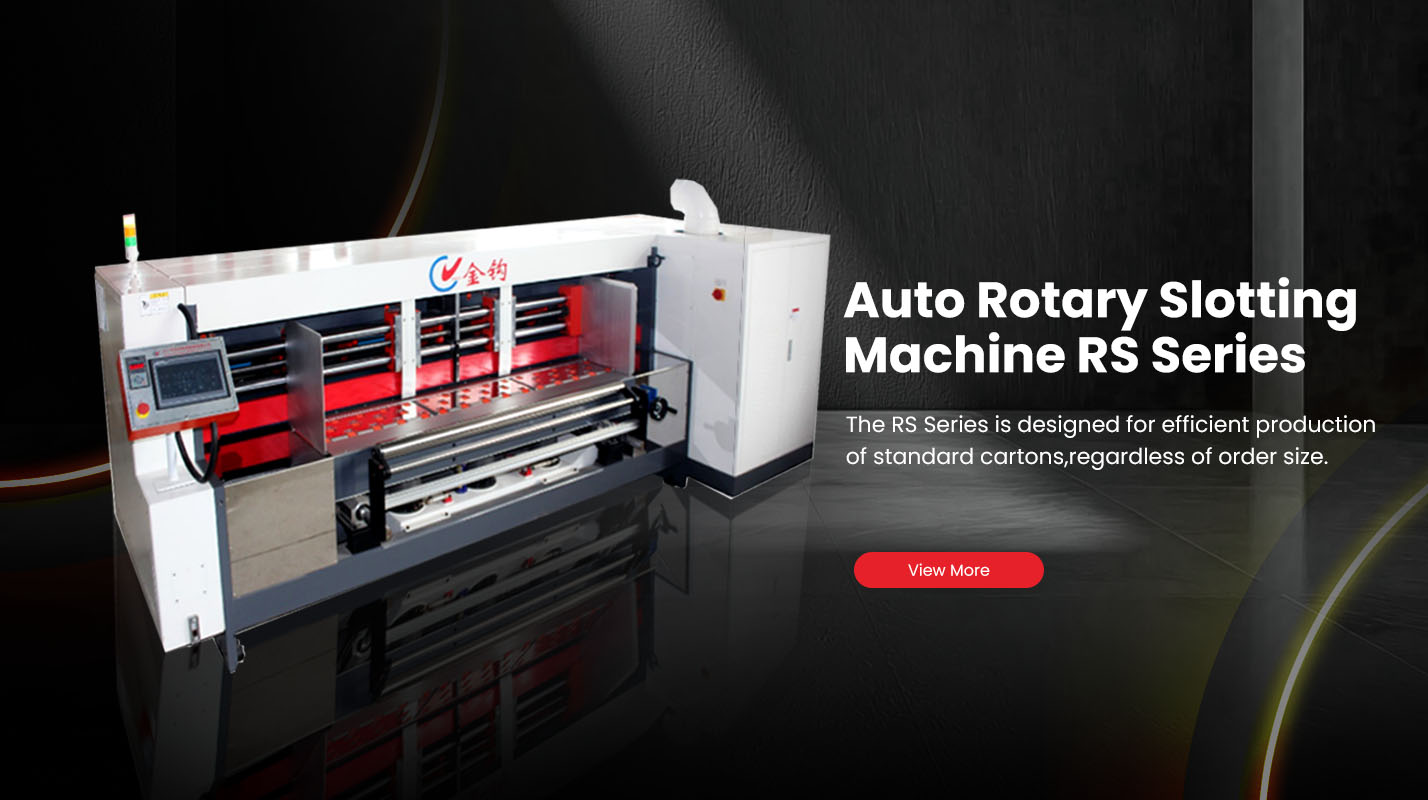
What Impacts The Lifespan Of Slotting And Scoring Components
Component Lifespan Directly Affects Carton Production Stability
Slotting and scoring components are among the most heavily loaded parts in corrugated carton production lines. Their condition directly influences slot accuracy, crease quality, box squareness, and overall production consistency. When these components wear prematurely, problems such as inconsistent folding, higher scrap rates, and frequent downtime become unavoidable.
The lifespan of slotting and scoring components is not determined by material quality alone. It is the combined result of machine design, operating conditions, material characteristics, control precision, and maintenance practices.
Material Quality And Manufacturing Precision
Tool Steel Selection And Heat Treatment
The base material of slotting knives and scoring wheels has a decisive impact on wear resistance. High-quality tool steel with proper heat treatment maintains hardness while retaining enough toughness to resist chipping under load.
Inconsistent heat treatment can lead to:
Rapid edge dulling
Micro-cracking during heavy-duty operation
Uneven wear between components
Proper material selection ensures predictable wear patterns and longer service life.
Manufacturing Accuracy Of Components
Precision in component geometry affects how evenly load is distributed during operation. Poorly machined knives or scoring wheels concentrate stress in specific areas, accelerating localized wear.
High manufacturing accuracy supports:
Uniform contact pressure
Stable cutting and scoring behavior
Reduced vibration and impact loads
Corrugated Board Characteristics
Board Thickness And Grammage
Thicker board and higher grammage liners require greater cutting and scoring force. This increased resistance accelerates wear on knives and scoring wheels, especially in heavy-duty or multi-wall corrugated applications.
Machines processing mixed board grades without adjustment often experience uneven component wear.
Flute Structure And Paper Quality
Different flute profiles and paper hardness affect how material reacts during slotting and scoring. Hard or highly recycled liners can be more abrasive, increasing wear rate on cutting edges.
Consistent matching of machine settings to board characteristics helps extend component lifespan.
Operating Pressure And Depth Settings
Excessive Slotting Pressure
Applying more pressure than necessary does not improve slot quality but significantly increases wear. Over-penetration causes higher friction, heat generation, and edge degradation.
Correct pressure adjustment ensures clean slots while protecting component edges.
Improper Scoring Depth
Scoring wheels set too deep compress and damage the flute structure, increasing resistance and wear. Shallow or inconsistent scoring may also force operators to compensate by increasing pressure elsewhere, further accelerating wear.
Balanced scoring depth reduces mechanical stress and preserves component integrity.
Machine Rigidity And Alignment
Structural Stability Of The Slotting And Scoring Unit
Rigid frames, stable shafts, and high-quality bearings reduce deflection during operation. Mechanical deflection causes uneven load distribution across knives and scoring wheels, leading to irregular wear patterns.
Stable machine design allows components to wear evenly and predictably.
Alignment Accuracy Between Components
Misalignment between slotting knives, scoring wheels, and anvils increases friction and impact loading. Even minor alignment errors can significantly shorten component lifespan during high-speed or long-run production.
Precise alignment is essential for durability as well as accuracy.
Control System And Motion Stability
Servo And PLC-Controlled Motion
Controlled acceleration, deceleration, and positioning reduce shock loads on components. Servo-driven systems apply force smoothly and consistently, minimizing impact stress compared to purely mechanical or manual systems.
Stable motion control directly contributes to longer component life.
Repeatability Reduces Adjustment Damage
Frequent manual adjustment increases the risk of incorrect settings and unnecessary trial runs. Control systems that support parameter memory and accurate repositioning reduce repeated setup stress on components.
Production Speed And Duty Cycle
Speed Matching To Material And Design Limits
Operating continuously at speeds beyond practical limits increases heat, vibration, and friction. Even well-designed components will wear faster if speed is mismatched to board characteristics or machine capability.
Stable, sustainable speed delivers better long-term durability than peak-speed operation.
Continuous Versus Intermittent Operation
Frequent start-stop cycles create additional stress on slotting and scoring components. Smooth, continuous operation reduces shock loading and helps components wear more gradually.
Maintenance And Operating Discipline
Regular Inspection And Timely Replacement
Running worn components beyond their effective lifespan damages not only the component itself but also mating parts such as anvils and shafts. Timely replacement prevents secondary damage and maintains stable production quality.
Cleaning And Debris Management
Paper dust and adhesive residue increase friction and heat during operation. Regular cleaning reduces abrasive wear and prevents uneven loading on cutting and scoring surfaces.
Proper Setup And Operator Practices
Incorrect setup, rushed adjustments, or inconsistent operating practices significantly reduce component lifespan. Standardized setup procedures and proper training help protect critical parts.
JINGOU’s Perspective On Component Lifespan Optimization
JINGOU designs slotting and scoring systems with a focus on balanced force application, mechanical rigidity, and controlled motion. By combining stable structural design with PLC and servo control, JINGOU equipment helps reduce unnecessary stress on slotting and scoring components.
This system-level approach allows components to wear evenly, predictably, and over longer service intervals, supporting stable production and lower maintenance cost in real factory conditions.
Key Factors That Extend Slotting And Scoring Component Life
High-quality materials with proper heat treatment
Precise manufacturing and alignment
Correct pressure and depth settings
Stable machine structure and motion control
Speed matched to material characteristics
Consistent preventive maintenance
Conclusion
The lifespan of slotting and scoring components is influenced by a combination of material quality, board characteristics, machine design, control precision, operating conditions, and maintenance practices. Premature wear is usually the result of excessive force, misalignment, unstable motion, or poor setup rather than unavoidable material fatigue.
By focusing on system-level efficiency and disciplined operation, manufacturers can significantly extend component life, reduce downtime, and maintain consistent carton quality. Through stable mechanical design and intelligent control integration, JINGOU supports corrugated producers in achieving durable, reliable slotting and scoring performance under demanding production conditions.