




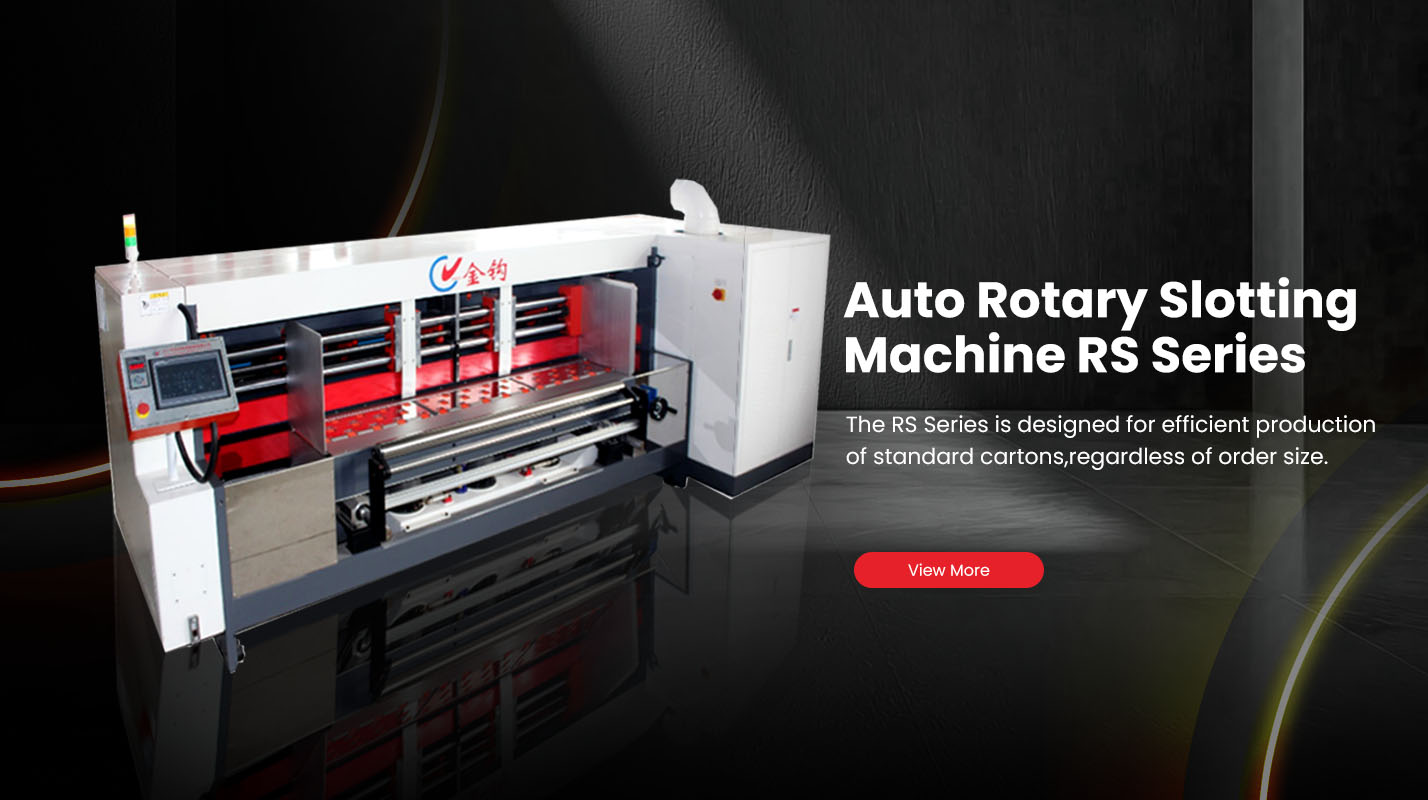
Rising labor costs are no longer a regional issue. Across manufacturing markets, wage growth, labor shortages, and higher turnover rates are directly impacting production efficiency and cost structures. For packaging manufacturers, especially in corrugated carton and flexible packaging sectors, automation is becoming not just an upgrade — but a strategic necessity.
From a manufacturer’s perspective, automation is not about replacing people. It is about stabilizing output, reducing operational variability, and protecting margins in a cost-sensitive industry. As a dedicated packaging machinery manufacturer, JINGOU focuses on equipment solutions that improve efficiency, reduce manual dependency, and support consistent bulk production for export-oriented packaging factories.
The Real Impact of Rising Labor Costs on Packaging Plants
When labor costs increase, the pressure shows up in several areas:
Higher per-unit production cost
Difficulty maintaining consistent shift staffing
Increased training expenses
Greater production variability due to operator differences
Higher error rates during manual setup and adjustment
In carton converting and packaging lines, labor is traditionally concentrated in feeding, stacking, slotting adjustment, bundling, and material handling. These are precisely the areas where automation creates measurable operational gains.
Where Automation Delivers Immediate Value
1. Automated Feeding and Alignment
Manual feeding often causes skewed boards, inconsistent scoring, and uneven slotting. Automated feeding systems:
Maintain stable sheet alignment
Reduce human error
Increase throughput consistency
Lower material waste
When feeding precision improves, downstream tool wear also becomes more predictable.
2. Servo-Controlled Positioning Systems
Modern packaging machinery integrates servo systems for:
Accurate slotting position
Controlled scoring depth
Repeatable size adjustments
Automation reduces dependency on operator experience. Once parameters are stored digitally, repeat jobs require minimal recalibration.
For factories handling frequent small-batch orders, this dramatically reduces setup time and labor intensity.
3. Automated Stacking and Counting
Manual stacking consumes labor and increases physical strain. Automated stacking systems:
Ensure neat, consistent output piles
Improve packaging speed
Reduce ergonomic risk
Improve downstream bundling efficiency
This not only reduces manpower requirements but also stabilizes workflow rhythm.
Manufacturer vs Trader: Why Automation Capability Must Be Controlled at Source
Automation is not just a collection of purchased components. True automation integration requires:
Mechanical structure stability
Electrical system compatibility
Software logic optimization
Precision machining support
A manufacturer with integrated engineering and production control can ensure mechanical rigidity aligns with servo accuracy. Traders often assemble automation modules without controlling frame stiffness or machining tolerances, which can reduce the effectiveness of advanced automation features.
Automation performance depends heavily on structural stability and internal alignment accuracy.
Manufacturing Process Overview: How Automation Is Integrated
In modern packaging machinery manufacturing, automation integration typically follows:
Frame structural fabrication with high rigidity
Precision machining of shaft and tool interfaces
Servo motor and drive system installation
PLC programming and logic configuration
System calibration and synchronized testing
Dynamic load testing under simulated production conditions
Each stage must align mechanical and electrical systems precisely. Poor integration can create instability, even if advanced components are used.
Quality Control Checkpoints in Automated Machinery
Automation increases precision — but only if quality control supports it.
Critical checkpoints include:
Parallelism and squareness of mechanical assemblies
Servo positioning accuracy verification
Signal stability testing
Electrical safety inspection
Dynamic vibration assessment under operating speed
Without structured inspection, automation can amplify mechanical misalignment instead of correcting it.
Bulk Supply Considerations for Growing Packaging Plants
For expanding factories, automation investment must align with long-term production plans.
Before sourcing automated packaging machinery, evaluate:
Monthly machine production capacity of the supplier
Spare parts availability
Remote technical support capability
Operator training documentation
Scalability for future upgrades
Automation should reduce labor pressure today while allowing expansion tomorrow.
OEM / ODM Process in Automation Customization
Packaging factories often require machine adaptation for:
Specific carton sizes
Unique die-cut patterns
Local voltage and control standards
Integration into existing lines
An OEM process typically involves:
Requirement analysis
Mechanical and electrical design review
Prototype configuration
Functional validation
Bulk production implementation
ODM capability allows manufacturers to offer optimized standard platforms with customized adjustments, shortening delivery time while maintaining structural integrity.
Material Standards and Structural Stability
Automation increases machine speed and operational precision. Therefore, structural components must meet higher standards:
Reinforced steel frame sections
Precision-machined bearing seats
High-strength spindle materials
Stable mounting plate assemblies
Without material consistency, high-speed automation may lead to vibration, misalignment, and premature wear.
Export Market Compliance
For international buyers, automation equipment must comply with:
Electrical safety standards
Machinery safety directives
Industrial control system requirements
Documentation and traceability protocols
Compliance is not only regulatory — it reflects disciplined engineering and production oversight.
Strategic Perspective: Automation as a Margin Protection Tool
Automation helps packaging manufacturers:
Reduce labor dependency
Stabilize quality output
Increase production predictability
Lower scrap rates
Shorten delivery cycles
In an environment where labor costs continue rising, the competitive advantage belongs to factories that combine structural machine stability with intelligent automation.
Conclusion
Packaging machinery automation is no longer optional in a high-cost labor environment. It directly supports operational stability, reduces human variability, and strengthens margin control. However, automation effectiveness depends on more than advanced components. It requires disciplined structural engineering, precision manufacturing, and integrated quality control.
For manufacturers seeking long-term efficiency rather than short-term upgrades, the focus should be on automation systems built on stable machine frames, controlled production processes, and scalable engineering support.