




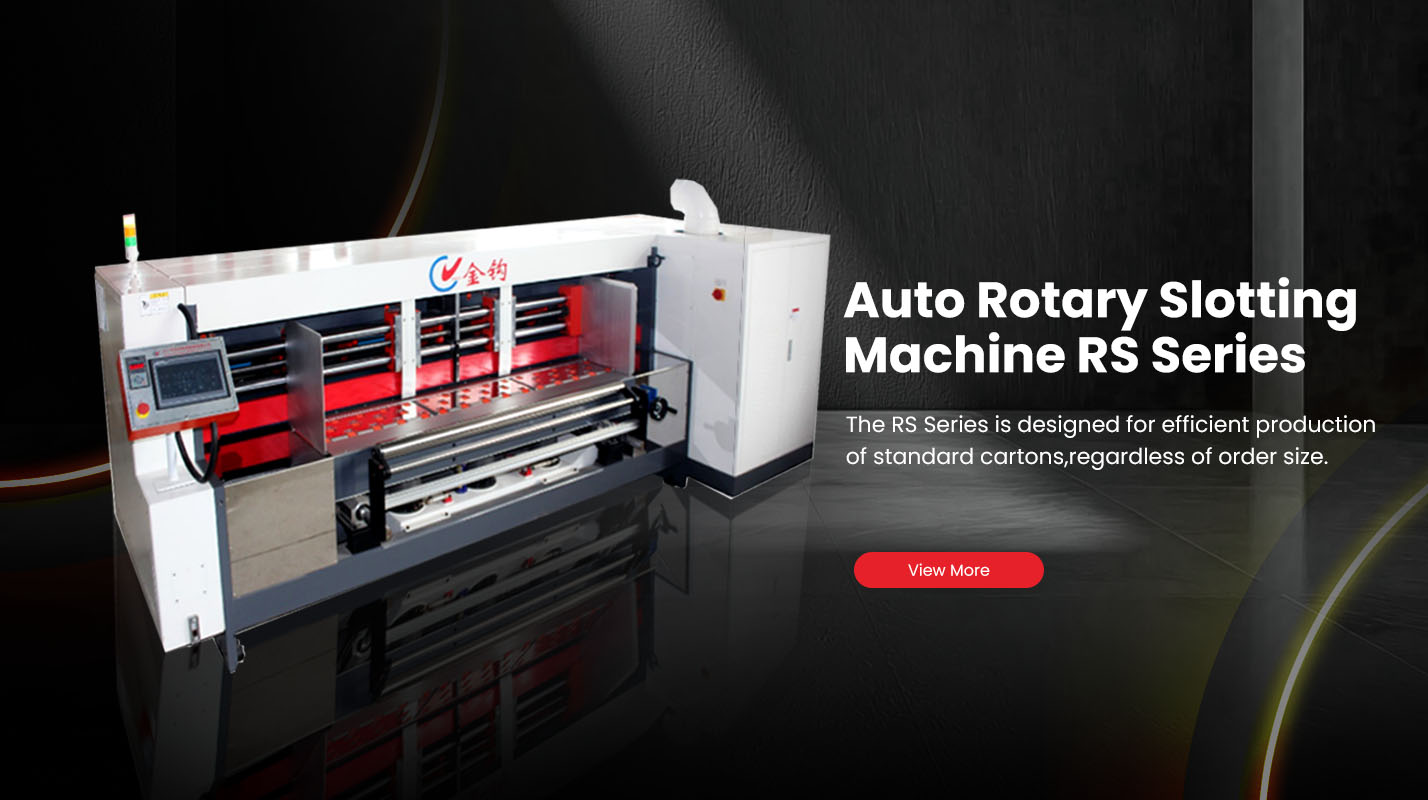
Common Production Bottlenecks in Small And Mid-Size Packaging Factories
Small and mid-size packaging factories operate under a different pressure model than large integrated plants. Order volumes fluctuate, SKU variety is high, and delivery cycles are compressed. In this environment, the real constraints are rarely theoretical machine speed. The bottlenecks usually lie in structural design limitations, manual dependency, and system integration gaps.
From a manufacturer’s and decision advisor’s perspective, identifying bottlenecks early allows factories to prioritize the right equipment upgrades and process improvements. The goal is not just higher output — it is stable, predictable, and scalable production.
1. Frequent Changeovers and Setup Delays
One of the most common bottlenecks in small and mid-size carton factories is excessive setup time between orders.
Typical causes include:
Manual slotting and scoring adjustments
Non-digital size positioning
Repeated alignment verification
Tooling replacement requiring partial disassembly
When a factory handles multiple small-batch jobs daily, changeovers may consume more total time than actual production.
Quick-adjust mechanical design, servo-controlled positioning, and stored parameter recall systems directly reduce this constraint.
2. Feeding and Alignment Instability
Manual or semi-automatic feeding systems often create:
Board skewing
Inconsistent spacing
Double feeding
Operator-dependent correction delays
Feeding inconsistency forces operators to slow machine speed to maintain quality. Over time, this becomes a structural throughput limitation rather than an operator issue.
Automated feeding systems with alignment control improve production rhythm and reduce micro-stoppages.
3. Structural Frame Rigidity Limitations
As machines age or when frame structures are under-engineered, higher speeds amplify vibration and misalignment.
Symptoms include:
Scoring depth variation
Slotting position drift
Increased noise
Frequent recalibration
Small factories often overlook frame stability when purchasing equipment, focusing only on rated speed. However, long-term structural rigidity directly affects sustained performance.
Machines built under controlled fabrication and machining processes maintain geometry under load and support stable daily throughput.
4. Tooling Wear and Replacement Frequency
Inconsistent tooling material standards or poor alignment accelerate wear.
Common issues:
Blade imbalance
Uneven scoring pressure
Shaft misalignment
Soft spindle material
Frequent tool replacement increases downtime and operating cost. Structured machining tolerance control and hardened component selection extend tool life and reduce production interruptions.
5. Labor Dependency in Critical Operations
Manual stacking, bundling, and material handling consume significant labor hours in smaller plants.
As labor costs rise, factories experience:
Staffing shortages
Variable operator skill levels
Increased training requirements
Output inconsistency between shifts
Automation in stacking, positioning, and digital control reduces reliance on individual operator experience and stabilizes productivity.
6. Workflow Imbalance Between Upstream and Downstream Units
In many small factories, machines are upgraded individually rather than as part of an integrated system.
This leads to:
Upstream machines waiting for downstream processing
Manual transfer delays
Output throttling to prevent congestion
Increased scrap during synchronization errors
Production speed is often reduced to match the slowest stage of the process.
System-level planning improves balance and protects throughput stability.
7. Maintenance and Preventive Control Gaps
Limited maintenance planning can gradually reduce production capability.
Performance decline is often caused by:
Bearing wear
Fastener loosening under vibration
Lubrication inconsistency
Accumulated debris in scoring systems
Without structured inspection checkpoints, minor issues become recurring downtime events.
Machines built with reinforced mounting plates, stable shaft support, and controlled assembly torque retain performance longer.
8. Limited Technical Scalability
Small and mid-size factories often struggle to expand because their equipment lacks modular upgrade capability.
Constraints may include:
Non-compatible automation systems
Limited servo integration
Outdated control platforms
Inflexible tooling interfaces
Selecting machinery with OEM or modular adaptation capability allows gradual automation upgrades without full system replacement.
Manufacturer vs Trader: Structural Control and Long-Term Output
Bottlenecks often originate in mechanical tolerance, machining precision, and integration quality.
A manufacturer with in-house fabrication, machining, assembly, and calibration control can:
Maintain alignment consistency
Ensure spindle and shaft tolerance stability
Calibrate servo systems accurately
Conduct load-based functional testing
Traders assembling equipment from multiple sources may lack control over structural integrity and long-term repeatability.
For factories seeking stability rather than short-term cost savings, production control at the source is a decisive factor.
Project Sourcing Checklist for Bottleneck Reduction
When evaluating packaging machinery upgrades, consider:
Frame reinforcement strategy
Feeding alignment accuracy
Digital positioning repeatability
Tooling durability standards
Integration between mechanical and control systems
Preventive maintenance documentation
Spare parts availability
Addressing structural bottlenecks systematically prevents incremental inefficiencies from compounding over time.
Strategic Perspective
In small and mid-size packaging factories, bottlenecks are rarely caused by a single weak component. They are usually the result of structural misalignment between machine capability, automation level, and workflow design.
Reducing bottlenecks requires:
Stable mechanical engineering
Integrated automation support
Consistent machining precision
Scalable upgrade pathways
Factories that focus on structural stability and system-level optimization achieve more predictable throughput and stronger margin protection.
Conclusion
Common production bottlenecks in small and mid-size packaging factories include setup delays, feeding instability, structural vibration, tooling wear, labor dependency, workflow imbalance, and maintenance gaps.
Sustainable productivity growth comes from addressing these root causes through disciplined machine design, precision manufacturing control, and integrated automation strategy. Stability, repeatability, and scalability — not just peak speed — define long-term operational success.