




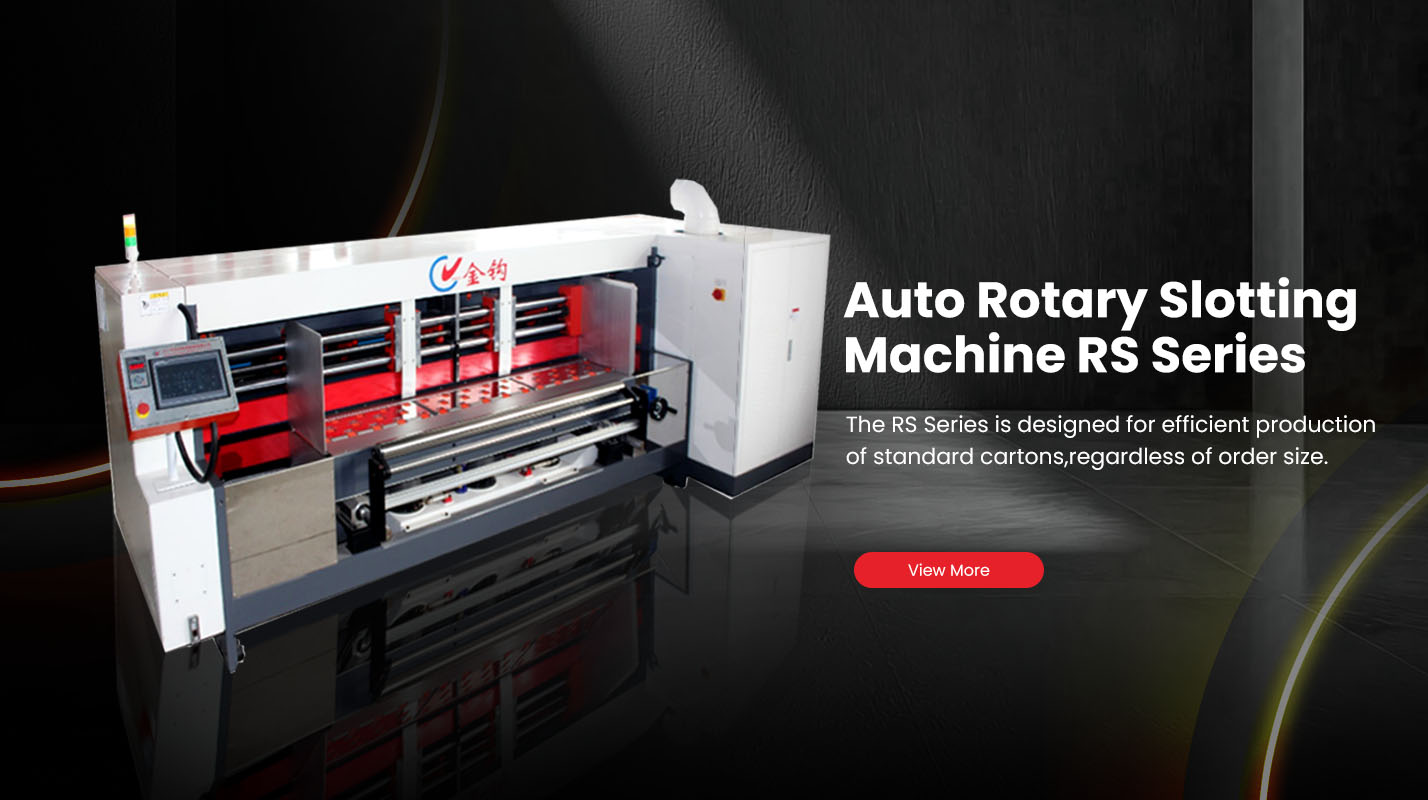
In corrugated carton production, machine capability and operator capability are closely connected. Even high-precision slitter scorers, rotary slotters, or box-making machines cannot reach stable output if operator understanding of setup, alignment, and parameter control is inconsistent.
For small and mid-size packaging factories, operator skill level directly affects productivity, material waste, equipment lifespan, and ultimately profit margins. From a manufacturer’s and decision advisor’s perspective, the goal is not to depend on “experienced individuals,” but to design equipment and processes that reduce variability while supporting structured training.
1. Setup Accuracy and Job Change Efficiency
One of the most visible impacts of operator skill level is during job changeover.
Skilled operators typically:
Adjust slotting and scoring positions quickly
Calibrate pressure accurately
Verify alignment efficiently
Reduce trial-and-error cycles
Less experienced operators often:
Require multiple calibration attempts
Over-tighten or under-tighten components
Spend more time on visual inspection
Increase scrap during initial runs
In high-SKU environments, setup speed may influence total daily output more than maximum machine speed.
Machines equipped with servo-controlled positioning and stored parameter systems reduce reliance on manual precision, making output more predictable across shifts.
2. Feeding Stability and Material Handling
Operator handling technique directly affects feeding consistency.
Skill-related variations include:
Sheet placement accuracy
Board alignment correction timing
Monitoring double-feed conditions
Adjusting feeding speed appropriately
Even minor inconsistencies can accumulate into repeated micro-stoppages that reduce effective throughput.
Automated feeding systems minimize this dependency, but proper operator oversight remains essential for maintaining rhythm.
3. Tooling Adjustment and Wear Management
Incorrect adjustment of scoring pressure or blade alignment leads to:
Uneven cut edges
Premature tooling wear
Increased vibration
Higher rejection rates
Experienced operators recognize subtle signs of wear and make timely adjustments. Without adequate training, over-compensation or delayed maintenance can reduce equipment lifespan.
Structured manufacturing design — including reinforced spindle systems and precision-machined tool mounts — helps protect equipment from operator-induced stress.
4. Speed Management Under Load
Pushing machines beyond stable operating conditions can reduce both quality and component life.
Skilled operators understand:
When to increase speed safely
When to slow down due to material variation
How vibration indicates structural stress
How to maintain alignment under higher RPM
Without proper understanding, speed increases may cause:
Slotting drift
Scoring inconsistency
Bearing wear acceleration
Frame vibration amplification
Machine design that prioritizes structural rigidity and dynamic balance reduces risk, but operator awareness remains critical.
5. Maintenance Awareness and Preventive Care
Operator skill level often determines how early minor mechanical issues are detected.
Warning signs include:
Unusual vibration
Inconsistent noise patterns
Alignment deviation
Increased resistance during rotation
Proactive operators report and address issues before they escalate into downtime.
Manufacturers who provide structured maintenance documentation and training support help reduce performance variability across skill levels.
6. Digital System Utilization
Modern carton machines increasingly incorporate:
Servo positioning
PLC control systems
Parameter storage
Alarm diagnostics
Operator skill determines whether these features are fully utilized.
Untrained operators may rely on manual correction even when digital tools are available, reducing the advantage of automation investment.
Equipment designed with intuitive control interfaces and simplified parameter logic improves accessibility across different experience levels.
Manufacturer vs Trader: Training and System Support
Machine performance is not determined solely by hardware. It depends on:
Training documentation clarity
On-site commissioning guidance
System explanation depth
Long-term technical support
A manufacturer with integrated engineering knowledge can provide structured training that aligns with mechanical design. Traders typically lack the technical depth to offer comprehensive operational guidance.
Supporting operator development is part of protecting machine performance.
Reducing Skill Dependency Through Design
While operator expertise is valuable, modern equipment should aim to reduce variability caused by skill differences.
Design strategies include:
Modular tooling systems
Digital memory-based job recall
Reinforced frame stability
Clear mechanical reference points
Visual alignment indicators
Simplified calibration logic
When mechanical precision and digital control are integrated, machines become more forgiving of operator variation.
Project Sourcing Checklist: Evaluating Skill Impact Risk
Before selecting carton machinery, consider:
Is the control system intuitive and structured?
Does the machine include digital job memory?
Are mechanical adjustments clearly defined and repeatable?
Is training support provided?
Does the frame maintain alignment under frequent adjustment?
Reducing skill dependency lowers long-term labor risk and stabilizes output.
Strategic Perspective
In carton manufacturing, operator skill level can influence performance as much as equipment quality. However, sustainable factories design systems that:
Support operator training
Reduce manual adjustment reliance
Protect structural integrity
Maintain alignment automatically
Minimize human-induced variability
Balancing human capability with engineered precision creates predictable production stability.
Conclusion
Operator skill level significantly impacts carton machine performance through setup accuracy, feeding consistency, tooling adjustment, speed control, maintenance awareness, and digital system utilization.
For packaging factories seeking long-term efficiency, the solution is not only to hire skilled operators, but to invest in equipment engineered to reduce dependency on individual expertise. When structural stability, automation integration, and structured training align, machine performance becomes consistent, scalable, and sustainable across all shifts.