




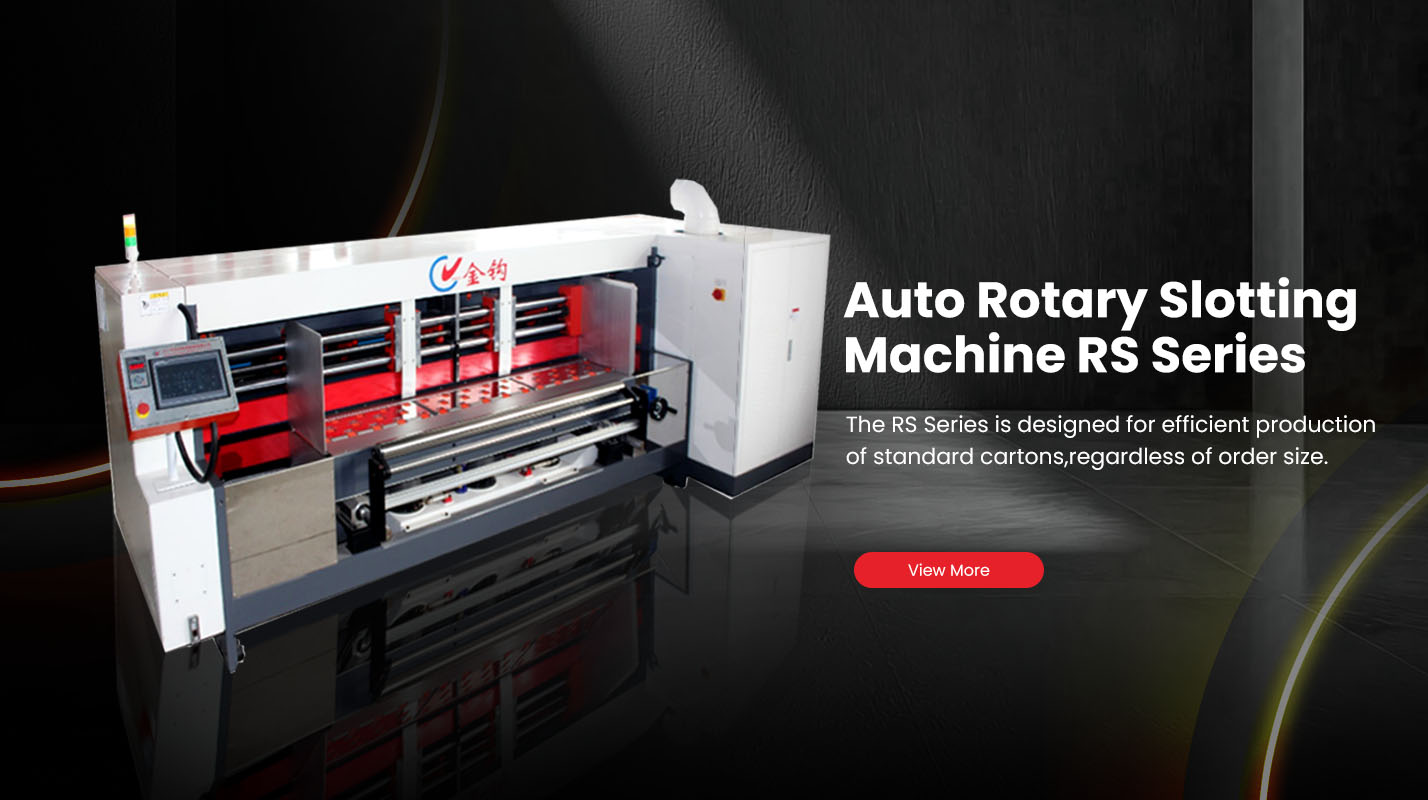
Continuous packaging operations are built on one assumption: machines must run predictably, not just quickly. In corrugated carton and packaging production, unplanned downtime disrupts delivery schedules, increases scrap rates, and places pressure on labor and inventory management.
From a manufacturer’s and operational decision-maker’s perspective, preventive maintenance is not an optional support activity. It is a structural strategy that protects equipment stability, production continuity, and long-term return on investment.
1. Continuous Operations Amplify Minor Mechanical Issues
In packaging factories running multi-shift schedules, even small mechanical deviations can escalate rapidly.
Without preventive maintenance, common issues include:
Bearing wear progressing unnoticed
Fasteners loosening under vibration
Shaft misalignment increasing gradually
Lubrication degradation affecting rotation stability
These issues rarely cause immediate failure. Instead, they reduce performance slowly until a sudden breakdown occurs.
Preventive maintenance identifies and corrects these deviations before they interrupt production.
2. Protecting Structural Alignment and Frame Stability
Carton converting machines rely on:
Precise spindle alignment
Stable scoring depth control
Accurate slotting geometry
Consistent feeding synchronization
Frame rigidity alone cannot guarantee long-term stability if mounting bolts, bearings, and support structures are not periodically inspected.
Routine torque verification and alignment checks prevent cumulative geometric drift, especially in high-speed operations.
3. Reducing Tooling Wear and Scrap Rates
Blade systems, scoring wheels, and rotating components operate under continuous load.
Without structured inspection:
Blade imbalance increases vibration
Uneven scoring pressure causes board damage
Heat buildup accelerates wear
Scrap rates increase gradually
Preventive maintenance extends tooling lifespan and preserves cut precision.
This directly reduces material waste and protects margin.
4. Stabilizing Automation and Control Systems
Modern packaging machinery integrates servo motors, PLC systems, and digital positioning modules.
Preventive inspection ensures:
Servo calibration remains accurate
Electrical connections stay secure
Signal integrity is maintained
Sensor alignment remains stable
Neglecting electrical inspection can lead to positioning errors that are misinterpreted as mechanical failure.
Integrated maintenance supports both mechanical and electronic stability.
5. Minimizing Unplanned Downtime
Unplanned downtime creates cascading consequences:
Delayed shipments
Overtime labor costs
Customer dissatisfaction
Production schedule compression
Increased operator stress
Preventive maintenance shifts equipment servicing from reactive emergency repair to scheduled intervention.
The difference between reactive and preventive strategy often determines operational predictability.
6. Manufacturer vs Trader: Maintenance Support Depth
Preventive maintenance effectiveness depends on technical clarity.
A dedicated manufacturer can provide:
Structured maintenance schedules
Component life expectancy guidelines
Assembly torque specifications
Alignment reference standards
Spare parts documentation
Traders supplying equipment without deep engineering knowledge often cannot provide detailed structural maintenance guidance.
For continuous operations, technical support depth is as important as initial machine performance.
7. Manufacturing Design That Supports Maintenance
Well-designed packaging machinery includes:
Accessible lubrication points
Reinforced mounting structures
Clearly marked alignment references
Modular component replacement capability
Stable foundation interface design
Maintenance-friendly design reduces service time and minimizes operational interruption.
Preventive maintenance becomes efficient when equipment architecture supports it.
8. Cost Control Through Lifecycle Planning
Factories often focus on upfront equipment investment rather than lifecycle cost.
Preventive maintenance protects:
Bearing integrity
Shaft concentricity
Servo precision
Structural rigidity
Surface coating durability
Over time, reduced breakdown frequency and extended component lifespan generate significant cost savings.
Continuous operations demand continuous reliability.
Project Sourcing Checklist: Maintenance Readiness
When evaluating packaging machinery for continuous production, consider:
Is a preventive maintenance schedule provided?
Are torque values and alignment standards documented?
Is spare part availability stable?
Are wear components standardized?
Is there clear guidance for vibration and noise monitoring?
Maintenance readiness should be treated as part of the equipment specification.
Strategic Perspective
In continuous packaging operations, the greatest risk is not machine speed limitation — it is instability caused by neglected mechanical care.
Preventive maintenance:
Preserves alignment
Reduces scrap
Extends component life
Protects automation accuracy
Stabilizes output across shifts
Factories that integrate preventive maintenance into daily routines protect both productivity and long-term asset value.
Conclusion
Preventive maintenance is critical for continuous packaging operations because it transforms unpredictable breakdowns into controlled, scheduled interventions. By protecting structural stability, tooling precision, and automation accuracy, preventive maintenance ensures that production lines operate consistently under sustained load.
For packaging manufacturers seeking stable throughput and predictable delivery performance, maintenance strategy must be engineered alongside machine design. Continuous production demands disciplined mechanical oversight, structured inspection, and long-term operational planning.