




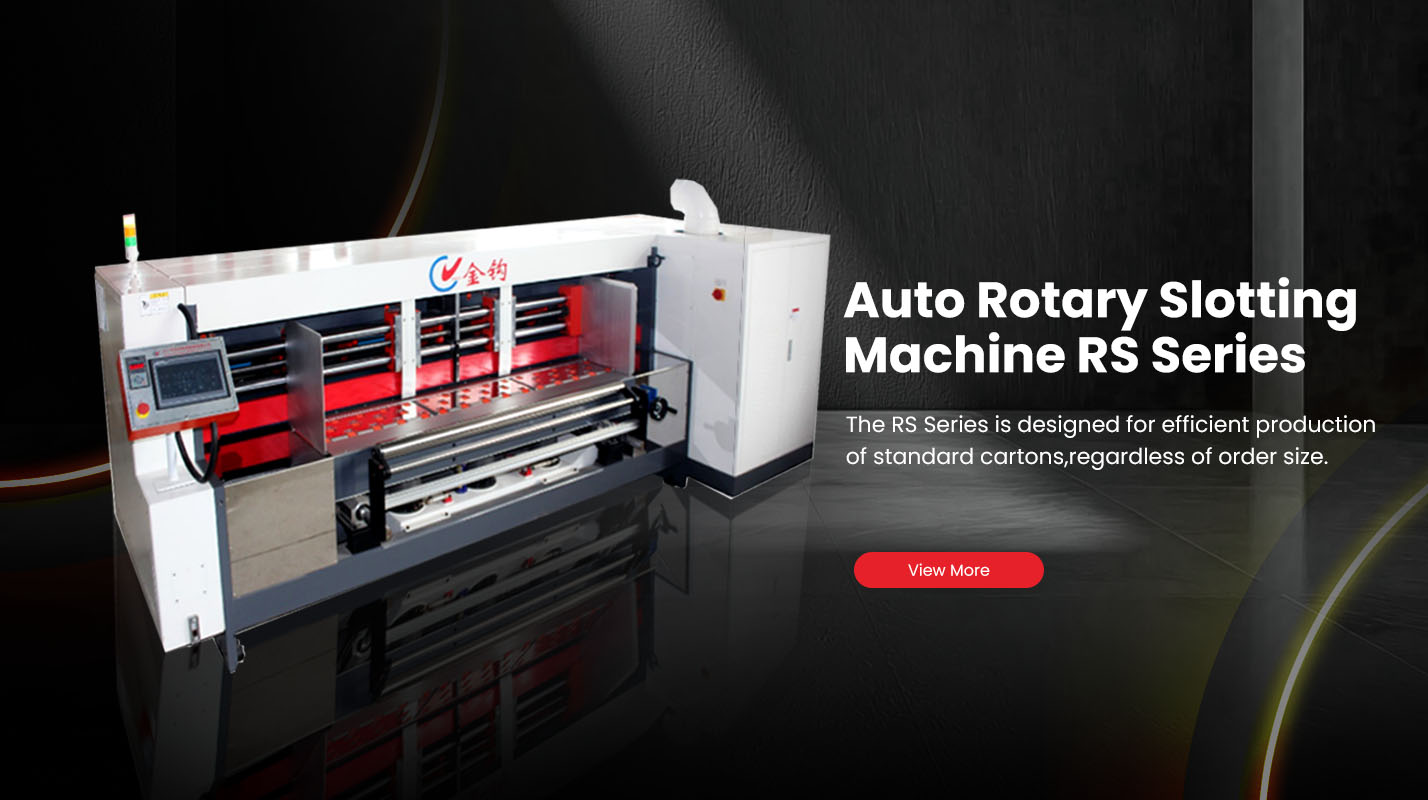
In packaging manufacturing, quality control is no longer limited to final inspection. Modern carton and packaging production requires continuous monitoring, traceability, and measurable process stability. Production data collection has become a critical tool for maintaining consistency, reducing scrap, and improving long-term operational performance.
From a manufacturer’s and decision advisor’s perspective, data collection is not simply digital reporting. It is a structural management strategy that connects machine performance, operator actions, material behavior, and output quality into one controlled system.
1. Moving From Reactive to Predictive Quality Control
Traditional quality control often depends on:
End-of-line inspection
Visual checks
Manual measurement sampling
Post-production defect analysis
This reactive model identifies problems after waste has already occurred.
Production data collection enables:
Real-time parameter monitoring
Deviation alerts during operation
Early detection of alignment drift
Identification of performance trends before failure
Predictive monitoring reduces scrap and protects delivery schedules.
2. Monitoring Critical Process Variables
In corrugated carton manufacturing, quality is influenced by multiple mechanical variables:
Scoring depth consistency
Slotting position accuracy
Feeding alignment stability
Rotational speed under load
Servo positioning repeatability
Collecting and analyzing these parameters allows operators and engineers to detect small deviations before they escalate into large-scale defects.
Data-backed adjustments are more precise than manual estimation.
3. Reducing Human Variability
Operator skill level can influence:
Setup calibration
Pressure adjustment
Speed selection
Alignment verification
Without measurable data, performance differences between shifts may go unnoticed.
Production data collection standardizes expectations by:
Recording setup parameters
Comparing shift performance
Identifying recurring deviation patterns
Supporting structured training improvements
This reduces dependency on individual experience and increases repeatability.
4. Improving Tooling and Component Lifecycle Management
Tool wear is a gradual process. Without data tracking, replacement decisions may rely on guesswork.
Data systems can track:
Operating hours
Production volume per tool
Vibration pattern changes
Speed-related wear acceleration
This allows preventive replacement scheduling rather than reactive emergency replacement.
Stable tooling management improves both quality consistency and cost control.
5. Enhancing Structural Stability Monitoring
Machine frame alignment and bearing integrity influence:
Cut precision
Scoring uniformity
Vibration levels
Noise patterns
Production data collection can include:
Vibration trend analysis
Load variation tracking
Speed stability monitoring
These indicators help prevent geometric drift and structural degradation over time.
6. Strengthening Traceability and Export Compliance
For export-oriented packaging factories, traceability is increasingly important.
Data collection supports:
Batch production records
Parameter documentation
Inspection logs
Equipment maintenance history
Root-cause analysis for defects
This strengthens quality documentation and supports international compliance expectations.
Structured documentation reflects disciplined manufacturing oversight.
7. Manufacturer vs Trader: Integration Depth Matters
Effective production data systems require:
Compatible mechanical architecture
Integrated servo and control systems
Stable sensor calibration
Consistent machining precision
A manufacturer with in-house engineering control can integrate data systems directly into machine design. Traders assembling equipment from multiple sources may lack system-level compatibility and unified data architecture.
Data reliability depends on mechanical and electrical integration discipline.
8. Supporting Continuous Improvement
Production data collection provides measurable insight into:
Average setup time
Real operational speed vs rated speed
Downtime frequency
Scrap percentage trends
Alignment correction frequency
With reliable data, management decisions shift from assumption-based adjustments to evidence-based optimization.
Continuous improvement becomes systematic rather than reactive.
Project Sourcing Checklist for Data-Driven Quality
When evaluating packaging machinery for quality control capability, consider:
Does the system record operational parameters?
Are deviations logged and traceable?
Can historical production data be exported and analyzed?
Is sensor calibration stable and documented?
Are control systems designed for long-term scalability?
Data transparency should be considered part of equipment performance.
Strategic Perspective
Quality control in packaging production is no longer only about inspection. It is about controlling variation at the source.
Production data collection:
Reduces scrap
Protects structural alignment
Stabilizes multi-shift performance
Improves maintenance planning
Enhances delivery predictability
Factories that combine mechanical precision with structured data management achieve stronger margin control and higher customer confidence.
Conclusion
Production data collection improves packaging quality control by transforming mechanical performance and operator actions into measurable, traceable variables. It enables early deviation detection, reduces human variability, supports tooling lifecycle management, and strengthens compliance documentation.
For packaging manufacturers seeking stable long-term performance, integrating data systems into machine architecture is not simply a digital upgrade. It is a structural investment in precision, accountability, and sustainable operational efficiency.