




How Modular Packaging Equipment Supports Scalable Factory Expansion
Strategic Insights for Packaging Production from a Manufacturer’s Perspective
As global demand for customized, short-run, and variable-batch packaging grows across industries such as e-commerce, FMCG, electronics, and industrial goods, factory operators increasingly look to modular packaging equipment to support scalable expansion. Modular systems allow packaging lines to grow in capability, speed, and automation without high upfront investment in monolithic machines. They also help factories respond rapidly to changing product portfolios and market demands.
Jingou Packaging Machinery Co., Ltd. is a high-tech manufacturer specializing in corrugated packaging equipment — including carton forming machines, automatic box making systems, and precision slotting/slitting solutions — designed to support modern factories scaling from small quantities to high-volume production.
Manufacturer vs Trader: Why Modular Equipment Should Be Sourced from a Factory
When planning factory expansion, sourcing packaging equipment directly from a manufacturer rather than a trader offers fundamental advantages:
Design Transparency: Manufacturers provide full access to control logic, mechanical drawings, and integration options. Traders may only resell finished machines with limited technical detail.
Modular Architecture Insight: True manufacturers design modular units from the outset, enabling easy addition of new modules such as slotters, die cutters, folding units, indexers, and conveyors — supporting staged automation growth.
Technical Support: Manufacturers offer direct commissioning assistance, preventative maintenance advising, and software parameter tuning aligned with customer workflows.
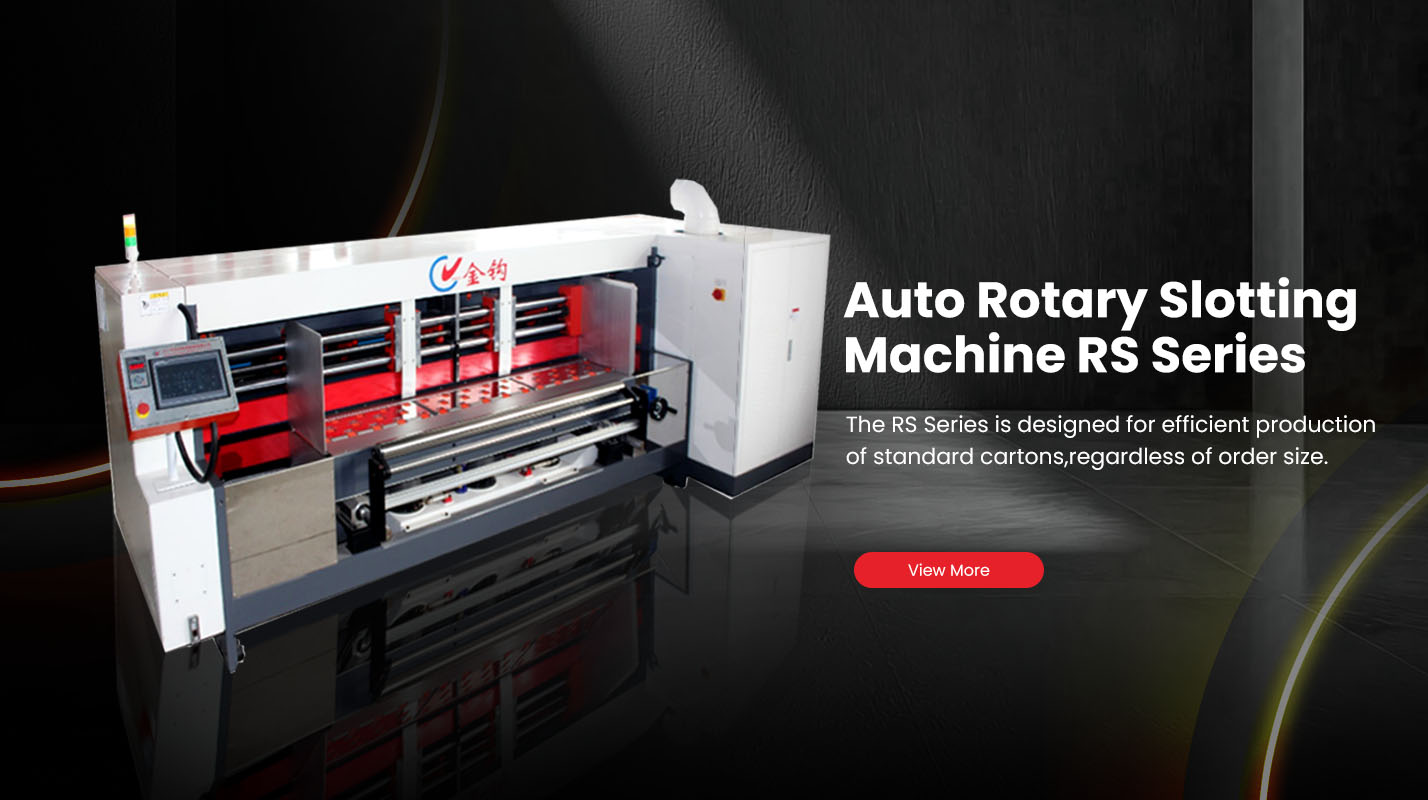
Jingou’s modular carton forming machines, developed in-house with patented thin slitter and rotary solutions, exemplify how factory-engineered platforms support scalable production scenarios.
OEM / ODM: Custom Modular Strategies for Unique Production Needs
For project buyers with specific packaging requirements, a structured OEM/ODM process ensures modular equipment aligns with workflow, product specifications, and factory layout planning. A typical process includes:
Requirements Definition: Evaluate product dimensions, SKU variety, shift patterns, and targeted throughput.
Modular Configuration Planning: Select base modules (e.g., feeding, slotting, scoring) and future modules (e.g., printed board handling, robotic stacking).
Prototype or Simulation Validation: Simulate production flow using digital tools or pilot runs.
Automation Integration: Plan PLC/HMI interfaces and control logic for future module addition.
Production Approval and Delivery Scheduling: Confirm batch SKU targets, delivery timeline, and installation sequence.
A modular OEM/ODM partnership enables long-term scalability without forcing factory shutdowns for major retooling.
Bulk Supply Considerations When Expanding Packaging Lines
In scalable environments — especially when handling diverse orders or preparing for seasonal surges — bulk equipment deployment must account for:
Spare Parts Inventory: Having multiple modular units across lines requires robust spare part planning to avoid downtime.
Interchangeable Modules: Ensure modules can be repurposed or reallocated between lines as production demand shifts.
Standardized Interfaces: Standard mechanical and electrical interfaces enable rapid commissioning of new units or modules without specialized retrofit work.
Training and Documentation: Bulk deployments benefit from common operator interfaces, unified PLC control systems, and centralized documentation.
Manufacturers such as Jingou, with experience serving box makers worldwide, help factories establish standardized practices that support large-scale packaging integration.
Project Sourcing Checklist for Modular Packaging Equipment
When evaluating modular packaging equipment for scalable expansion, buyers should verify:
Technical and Functional Criteria
Compatibility of modules: Check that slotting, cutting, constructing, and gluing modules share common control frameworks.
Control System Architecture: Modular lines should support easy parameter transfer and recipe sharing via PLC/HMI systems.
Safety Features: Emergency stops, protective covers, and overload sensors should be consistently applied across modules.
Capacity and Performance
Scalability metrics: Inspect rated speed, memory presets, and ease of reconfiguration for future throughput increases.
Redundancy planning: Evaluate backup modules or parallel lines to maintain output during maintenance.
Documentation and Services
Installation plans and layout drawings: Confirm factory floor readiness for modular expansion.
Operation and maintenance manuals: Ensure they cover modular addition scenarios.
Training: Verify modular line operation training for operators and technicians.
Buyers following such a sourcing checklist reduce integration risk and future expansion cost.
Manufacturing Process Overview: Modular Carton Machine Design
Modern modular packaging equipment typically follows this structured production workflow:
Frame and Base Module Fabrication: High-strength welded steel frames act as a platform for modular add-ons.
Core Functional Subassemblies: Slotting heads, creasing tools, cutting blades, and conveyor units are produced to common mount standards.
Control System Integration: PLCs and touch HMI panels are configured to manage core functions and future expansions.
Pre-Assembly and Testing: Modules are individually tested for calibration and performance before integration.
Final System Commissioning: On-site commissioning aligns controls with factory operational protocols.
Jingou’s modular approach to corrugated carton machines enables quick setup and predictable performance across different production scales.
Quality Control Checkpoints for Modular Equipment
Robust modular systems require rigorous quality control at each phase of supply:
Material and Frame Inspection: Verify structural frames for flatness, rigidity, and weld quality.
Functional Testing: Validate each module’s performance (cutting accuracy, scoring depth, die-cut fidelity).
Control System Validation: Test PLC logic, HMI responsiveness, and safety interlocks before shipment.
Integration and End-to-End Flow Testing: Simulate production runs to ensure modules work seamlessly as a system.
Structured QC checkpoints ensure each module supports high uptime and integrates reliably into expanding factory lines.
Material Standards Used in Packaging Machines
High performance modular equipment relies on quality materials and components:
High-strength steel frames for vibration resistance and long service life.
Precision tooling elements such as alloy blades and bearings for consistent carton processing.
Industrial PLC and servo drives for stable, repeatable control.
Touch HMI systems for intuitive operation and quick changeovers.
Using industrial-grade materials and control systems ensures scalable packaging solutions perform reliably under extended production use.
Export Market Compliance
When deploying modular packaging equipment for international operations, compliance with global standards is essential:
CE certification and safety guards ensure machinery meets European safety criteria.
Imported component compatibility with voltage, grounding, and safety interlocks for global electrical environments.
Documentation for customs clearance such as equipment specifications, CE certificates, and packing lists.
Jingou’s packaging machinery range often includes CE certification and standardized safety features to support international deployment.
Conclusion
Modular packaging equipment plays a strategic role in enabling scalable factory expansion. By choosing factory-based suppliers with strong modular design experience, structured OEM/ODM customization workflows, disciplined quality control checkpoints, and export compliance documentation, manufacturers can build flexible, future-proof packaging lines. Such systems support diverse production demands, simplify installation of new modules, and help factories grow capacity in alignment with market opportunities and order complexity.