




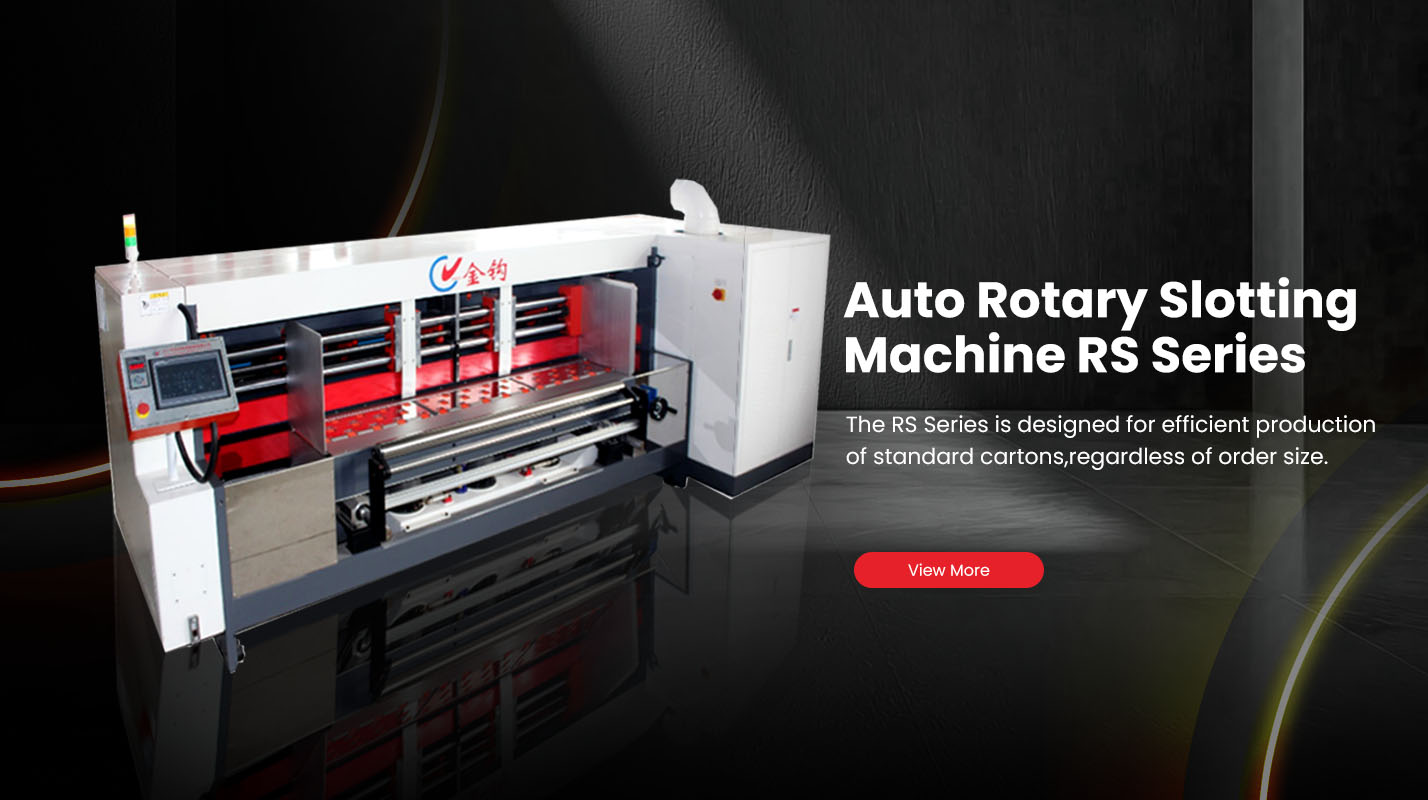
Why Small-Batch Custom Packaging Is Reshaping Equipment Requirements
A Strategic Perspective from a Corrugated Packaging Machinery Manufacturer
The packaging industry is undergoing structural transformation. Traditional long-run, standardized carton production is being replaced by short-run, high-mix, small-batch custom packaging driven by e-commerce, direct-to-consumer brands, subscription services, and localized distribution models.
This shift is fundamentally changing what factories expect from corrugated box machinery. Equipment is no longer evaluated solely on maximum speed — it must now deliver flexibility, rapid changeover capability, and scalable automation.
As a professional manufacturer of corrugated carton forming and slotting machinery, Jingou Packaging Machinery Co., Ltd. designs modular and automation-ready systems that respond to these evolving production patterns.
1. The Structural Shift Toward Small-Batch Production
Small-batch custom packaging typically involves:
Frequent size adjustments
Multiple SKU dimensions in a single shift
Short production runs
Branding-driven design variations
Seasonal or campaign-based packaging changes
Unlike traditional bulk manufacturing, small-batch environments require equipment that can adapt quickly without extensive downtime.
Factories must move from “volume-first” production logic to “flexibility-first” production logic.
2. How Equipment Requirements Are Changing
Traditional Equipment Priorities
Maximum linear speed
High-output continuous runs
Fixed die tooling
Limited size variation
Modern Small-Batch Requirements
Rapid size switching
Digital parameter presets
Modular functional upgrades
Compact footprint
Precision slotting and scoring
Reduced setup waste
This transition is reshaping machinery architecture at both mechanical and control-system levels.
3. Manufacturer vs Trader: Why Direct Engineering Access Matters
In a small-batch environment, machine adaptability becomes critical.
A manufacturer provides:
Direct engineering consultation
Custom module configuration
PLC parameter customization
Upgrade pathway planning
Spare part continuity
Layout optimization support
A trader may resell equipment but cannot modify core mechanical or control architecture.
Jingou Packaging Machinery develops corrugated carton equipment in-house, allowing flexible modular configuration aligned with factory growth strategies.
4. Modular Equipment as the Core Solution
Small-batch production thrives on modular design.
Modular packaging equipment allows factories to:
Begin with a semi-automatic base machine
Add slotting or die-cutting modules later
Integrate automated feeding or stacking systems
Expand production incrementally
Reduce capital risk during early scaling stages
This modular philosophy aligns investment with production growth rather than forcing large upfront expenditure.
5. OEM / ODM Development for Custom Packaging Lines
In small-batch environments, customization is not optional — it is strategic.
A structured OEM / ODM process includes:
SKU size range analysis
Production shift modeling
Layout and workflow evaluation
Module configuration planning
PLC and HMI customization for recipe storage
Prototype validation
Commissioning and operational training
Working directly with a machinery manufacturer ensures flexibility is engineered at the foundation of the system.
6. Project Sourcing Checklist for Small-Batch Equipment
When evaluating corrugated machinery for short-run custom production, buyers should verify:
Flexibility Metrics
Maximum size variation range
Time required for size changeover
Number of programmable presets
Tooling adjustment mechanism simplicity
Mechanical Reliability
Frame rigidity
Slotting and scoring precision
Conveyor alignment stability
Automation Compatibility
PLC-based control
Servo motor precision
Expandable electrical architecture
Future Expansion Potential
Module interchangeability
Standardized mechanical interfaces
Spare parts compatibility
This checklist helps prevent purchasing machines that limit future adaptability.
7. Manufacturing Process Overview of Modern Corrugated Machinery
High-performance modular packaging equipment is produced through:
Heavy-duty steel frame fabrication
Precision machining of cutting assemblies
Assembly of servo drive systems
PLC cabinet integration
HMI programming
Module-level testing
Full-line commissioning
Jingou’s production structure ensures mechanical stability while supporting configuration flexibility required for small-batch operations.
8. Quality Control Checkpoints
Small-batch production increases frequency of mechanical adjustment. Equipment must maintain precision under repeated reconfiguration.
Key QC checkpoints include:
Frame alignment verification
Blade and scoring tolerance inspection
PLC and control system validation
Repeated changeover testing
Conveyor synchronization checks
Safety system testing
Final system performance verification
Strict QC ensures durability in dynamic production environments.
9. Material Standards Used in Equipment Construction
To withstand frequent adjustments and high variability, machinery must use:
High-strength steel frames
Industrial-grade servo motors
Precision alloy tooling components
Certified PLC and electrical components
Heavy-duty transmission systems
Material standards directly influence machine longevity and changeover reliability.
10. Bulk Supply Considerations
Factories expanding into multi-line small-batch production should evaluate:
Supplier monthly output capacity
Spare parts stock levels
Training programs for operators
Standardization of control interfaces
Lead time stability
Export documentation readiness
Deploying multiple modular systems across facilities requires production and documentation consistency.
11. Export Market Compliance
For international deployment, corrugated machinery must align with:
CE safety certification
Electrical compliance for regional voltage systems
Protective guarding and interlock standards
Export packing and documentation requirements
Manufacturers experienced in global equipment supply streamline regulatory approval and customs clearance.
Conclusion
Small-batch custom packaging is no longer a niche trend — it is reshaping the structural requirements of corrugated box machinery. Speed alone is insufficient. Flexibility, modularity, digital control, and scalable architecture now define competitive equipment.
By partnering directly with a corrugated machinery manufacturer that offers modular system design, structured OEM/ODM development, disciplined quality control checkpoints, industrial-grade material standards, and export compliance support, factories can build packaging operations capable of adapting to evolving market demand while maintaining operational efficiency.