




How Global Packaging Standards Influence Machine Design Choices
A Corrugated Equipment Manufacturer’s Perspective for International Factories
As international trade expands and regulatory oversight becomes more structured, global packaging standards are no longer peripheral considerations — they directly influence how corrugated packaging machinery is engineered. Export-oriented factories must comply with dimensional accuracy, safety protocols, environmental directives, and traceability requirements across multiple regions.
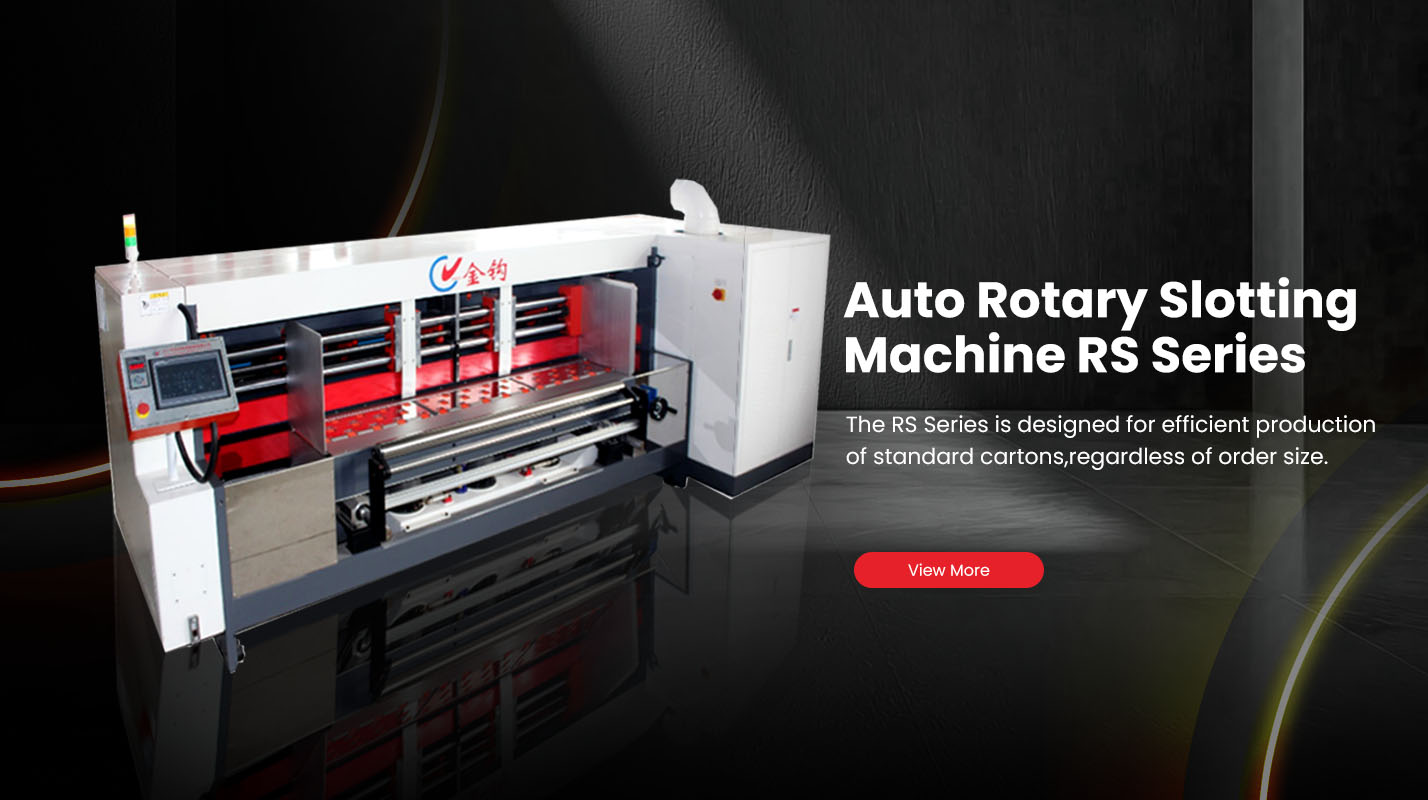
For machinery manufacturers such as Jingou Packaging Machinery Co., Ltd., which specializes in corrugated carton forming, slotting, and modular box-making systems, global standards shape core design decisions at the mechanical, electrical, and control levels.
1. Dimensional Accuracy Standards Drive Precision Engineering
International logistics networks require corrugated cartons to meet strict dimensional tolerances. Variations can impact:
Palletization efficiency
Container loading optimization
Automated warehouse compatibility
Shipping cost calculations
As a result, machine design must prioritize:
High-precision slotting and scoring assemblies
Stable frame construction to reduce vibration
Servo-controlled positioning systems
Digital calibration mechanisms
Modern corrugated machinery incorporates CNC-machined tooling and programmable PLC controls to ensure repeatable carton accuracy across large export batches.
2. Safety Standards Shape Structural and Electrical Design
Global markets, particularly in Europe and North America, require equipment to comply with machinery safety directives. These include:
Protective guarding around moving parts
Emergency stop systems
Electrical cabinet isolation
Safety interlocks
CE-compliant structural configurations
Machine manufacturers must integrate safety systems during initial design rather than retrofitting later. For export-oriented factories, purchasing CE-ready equipment simplifies compliance verification and reduces customs clearance risk.
3. Environmental Regulations Influence Material Selection
Global environmental standards such as RoHS and REACH affect not only packaging materials but also the machinery used to produce them.
Equipment design increasingly emphasizes:
Use of compliant electrical components
Low-emission surface treatments
Lubricants compatible with environmental standards
Energy-efficient servo motors and drive systems
Corrugated equipment manufacturers must select certified components and maintain traceability documentation to align with environmental export regulations.
4. Manufacturer vs Trader: Why Standards Knowledge Matters
When global compliance is critical, sourcing from a manufacturer offers significant advantages over working with a trader.
A manufacturer provides:
Engineering-level understanding of compliance integration
Structural redesign capability to meet safety standards
Electrical system customization for regional voltage
Direct documentation for certification processes
Spare parts traceability
A trader may lack the authority or technical knowledge to modify machinery architecture for international standards.
Jingou Packaging Machinery develops and manufactures corrugated equipment internally, enabling structural and control modifications to meet export market expectations.
5. Modular Design Supports Multi-Market Compliance
Different export regions often require slight specification variations. Modular machine architecture allows factories to adapt without full equipment replacement.
Modular benefits include:
Swappable control panels for regional voltage compatibility
Add-on safety guarding modules
Interchangeable slotting assemblies
Expandable automation units
This design flexibility helps factories maintain compliance across diverse international markets.
6. OEM / ODM Customization for Regulatory Alignment
Export factories frequently require tailored configurations to meet specific country standards.
A structured OEM / ODM process includes:
Reviewing destination country regulations
Adjusting electrical components for voltage and frequency
Verifying mechanical guarding compliance
Updating PLC software for safety interlock logic
Preparing certification documentation
Conducting final compliance testing before shipment
Early compliance planning avoids costly retrofits and shipment delays.
7. Project Sourcing Checklist for Compliance-Oriented Factories
When selecting corrugated packaging machinery for export production, buyers should verify:
Safety Compliance
CE certification readiness
Protective guarding installation
Emergency stop integration
Electrical Compatibility
Voltage adaptability
Certified control components
Grounding system verification
Mechanical Reliability
Frame strength and weld quality
Precision tolerance control
Blade and tooling durability
Documentation Support
Technical manuals
Compliance certificates
Spare parts traceability
This checklist ensures machinery meets both operational and regulatory requirements.
8. Manufacturing Process Overview
Modern corrugated equipment production incorporates compliance-focused checkpoints:
Structural frame fabrication with dimensional verification
Precision machining of cutting and slotting assemblies
Electrical cabinet integration with certified components
PLC programming aligned with safety standards
Full-system functional testing
Compliance documentation preparation
Jingou’s integrated production approach supports stable quality control and documentation readiness for export deployment.
9. Quality Control Checkpoints Influenced by Global Standards
To meet international expectations, manufacturers implement:
Frame alignment inspections
Electrical wiring verification
Safety guard validation
PLC interlock testing
Performance cycle testing
Final system inspection with compliance documentation
Rigorous QC ensures equipment not only performs efficiently but also aligns with regulatory frameworks.
10. Bulk Supply and Multi-Line Deployment Considerations
Export-oriented factories often expand across multiple lines. Standardization becomes essential.
Buyers should confirm:
Uniform control system interfaces
Consistent safety module integration
Standardized spare parts
Scalable modular expansion capability
Stable supplier production capacity
Consistency across equipment simplifies training and regulatory audits.
Conclusion
Global packaging standards increasingly shape corrugated machinery design decisions. Dimensional precision, safety integration, environmental compliance, and documentation readiness are no longer secondary concerns — they are core engineering priorities.
For export-oriented factories, partnering directly with a corrugated equipment manufacturer that integrates compliance considerations into machine architecture, offers structured OEM/ODM customization, maintains disciplined quality control checkpoints, uses industrial-grade material standards, and prepares complete export documentation ensures long-term operational stability in international markets.