




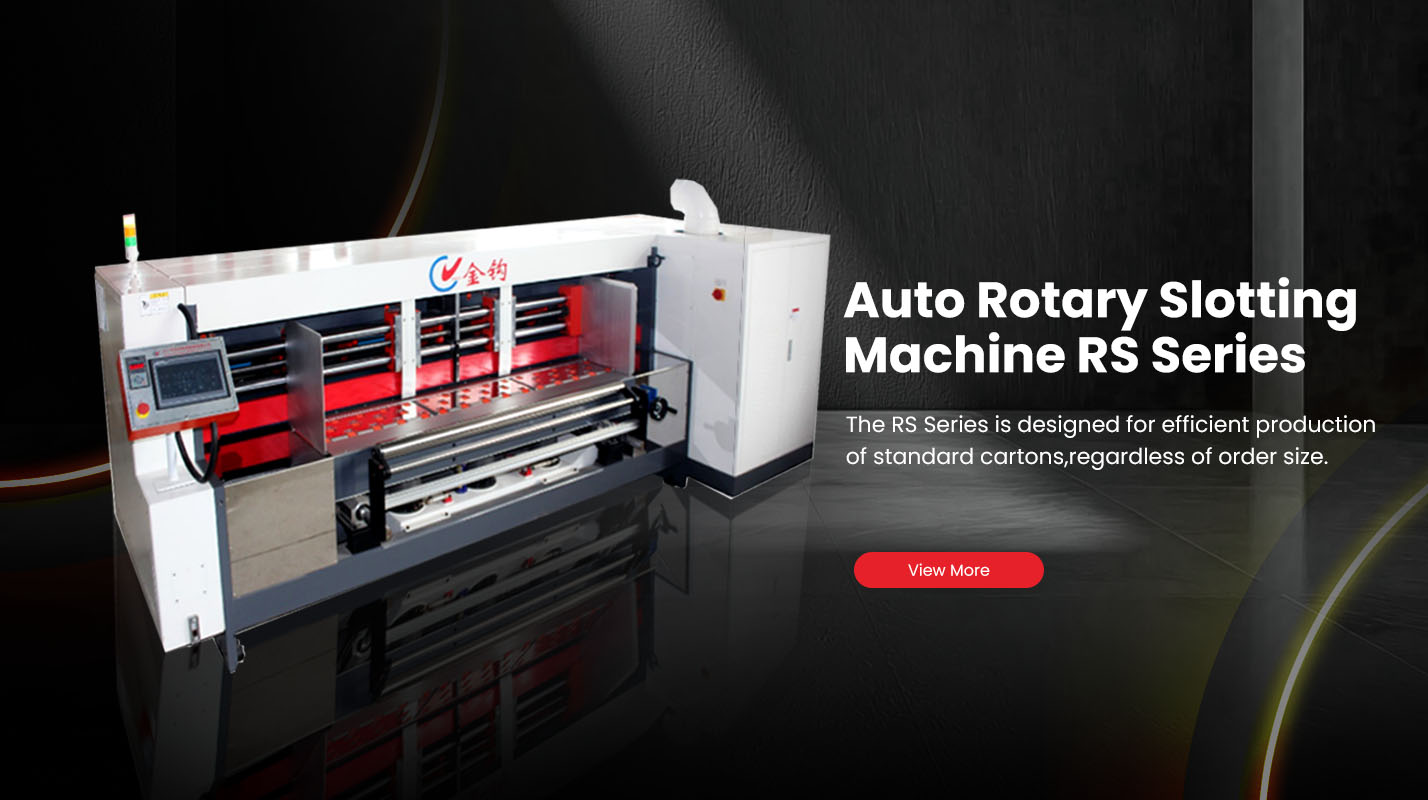
In corrugated carton production, dimensional accuracy and clean cutting edges are critical factors that determine the quality of the final packaging product. One of the most important machines used to achieve this precision is the thin blade slitter scorer. This equipment performs two key functions during carton manufacturing: cutting corrugated boards into the required width and creating precise scoring lines that allow accurate folding during box formation.
Compared with traditional thick blade systems, thin blade technology improves cutting precision, reduces board damage, and ensures smoother production performance. As corrugated packaging demand continues to grow, thin blade slitter scorer machines have become essential equipment in modern carton production lines.
How Thin Blade Slitting Improves Cutting Accuracy
The primary advantage of thin blade systems lies in the blade structure. Thin blades have a much smaller cutting edge thickness compared with conventional slitting tools. This allows the blade to cut through corrugated board with less resistance.
Reduced cutting resistance improves edge quality and minimizes board deformation. The thinner cutting edge also generates less pressure on the board surface, which helps maintain consistent dimensions across large production runs.
This precision is especially important when producing cartons that must meet strict size requirements for automated packing systems and logistics operations.
Precision Scoring for Accurate Carton Folding
In addition to cutting the board, the scoring system creates folding lines that determine how the carton will be assembled. Scoring wheels apply controlled pressure to the corrugated board, forming crease lines without damaging the board structure.
Accurate scoring ensures that the board folds easily along predefined lines. If scoring lines are inconsistent or misaligned, cartons may fold incorrectly or lose structural strength during use.
Thin blade slitter scorer machines allow precise alignment between slitting blades and scoring wheels. This coordination ensures that folding lines remain consistent across every board processed.
Manufacturer vs Trader: Importance of Engineering Design
The performance of a thin blade slitter scorer machine depends heavily on engineering design and manufacturing quality. When sourcing equipment, buyers often evaluate whether to work with a manufacturer or a trading intermediary.
Manufacturers typically control the entire production process, including machine design, component machining, assembly, and testing. This allows them to ensure that the slitting and scoring systems operate with high precision and long-term stability.
Trading intermediaries may provide limited technical support because they do not control the equipment manufacturing process. Working directly with a machinery manufacturer enables buyers to receive more reliable equipment design and long-term technical support.
Jingou Packaging Machinery operates its own production facility and engineering team, focusing on the development of carton processing equipment designed for precision and stable operation.
OEM and ODM Equipment Development
Packaging factories often require machinery designed to match their specific production requirements. OEM and ODM collaboration allows equipment manufacturers to customize machines based on working width, board thickness range, and production capacity.
The development process typically begins with technical requirement analysis followed by engineering design and prototype testing. Performance validation ensures that slitting accuracy, scoring alignment, and machine stability meet industrial production standards before entering full manufacturing.
Through structured development processes, manufacturers can deliver machines that maintain precision even in high-speed production environments.
Manufacturing Process Overview
The production of thin blade slitter scorer machines requires strict machining accuracy and assembly procedures.
Key machine components such as blade holders, shafts, transmission systems, and machine frames are produced using precision machining equipment. Mechanical modules including slitting assemblies and scoring units are assembled independently before system integration.
Electrical control systems are then installed to coordinate machine movement and ensure stable operation. After final assembly, machines undergo operational testing to verify cutting precision, scoring consistency, and speed stability.
Quality Control Checkpoints
Quality inspection procedures are essential to ensure the reliability of slitting and scoring equipment.
Manufacturers typically conduct raw material inspection to confirm that structural materials meet strength requirements. Machining accuracy inspections verify that mechanical components meet dimensional tolerance standards.
Assembly alignment tests ensure that slitting blades and scoring wheels operate with precise positioning. Operational testing under simulated production conditions confirms machine performance and processing stability.
Material Standards Used in Slitting Systems
The durability of slitting equipment depends heavily on the materials used in its construction. High-strength structural steel is commonly used for machine frames to maintain mechanical stability.
Slitting blades are produced using wear-resistant materials designed to maintain sharp cutting edges during extended production cycles. Precision alloy steel components are used for shafts and transmission systems to ensure smooth mechanical movement.
These material standards allow thin blade slitter scorer machines to operate continuously while maintaining cutting accuracy.
Bulk Supply Considerations
When packaging factories expand production capacity, they often procure multiple machines to support larger production lines. Bulk machinery supply requires coordinated production scheduling, component manufacturing, and equipment testing.
Manufacturers must ensure that all machines delivered in a project maintain consistent performance standards. Installation planning and operator training are also important to ensure stable machine operation after deployment.
Export Market Compliance
Packaging machinery exported to international markets must comply with safety regulations and industrial equipment standards. These requirements include electrical safety protection, operational safety design, and technical documentation necessary for installation and maintenance.
Proper export packaging and logistics arrangements are also necessary to ensure safe transportation of machinery.
Industry Outlook
As packaging production becomes more automated and quality requirements continue to increase, thin blade slitter scorer technology will remain a critical component of corrugated carton production lines.
Manufacturers that focus on engineering precision, structured manufacturing processes, and strict quality control systems will continue to support the development of efficient and reliable carton production equipment. Jingou Packaging Machinery continues to develop thin blade slitting and scoring systems designed to deliver accurate processing and stable performance for modern packaging factories.