




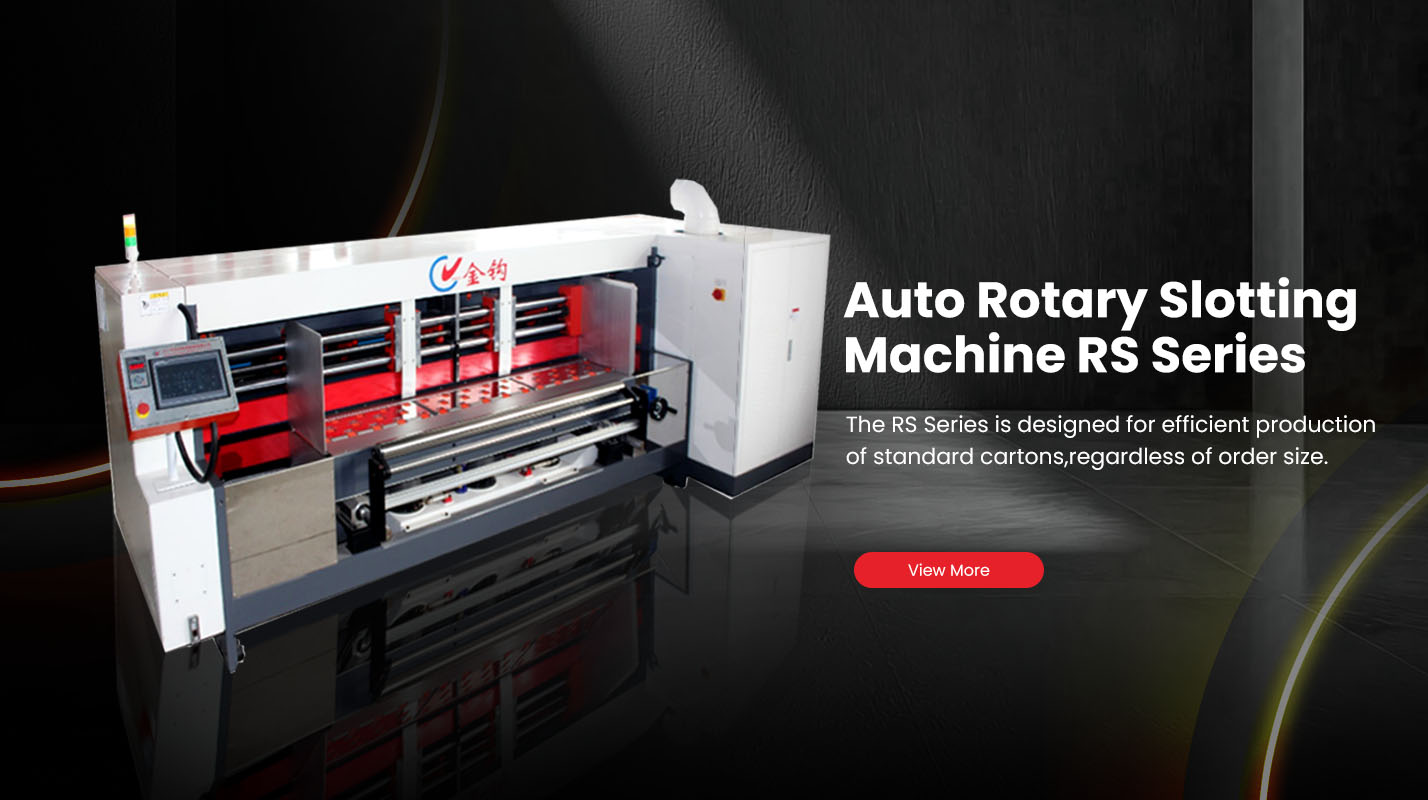
In modern packaging operations, production speed and consistency are critical factors that determine overall factory efficiency. automated carton forming technology has become an important solution for packaging manufacturers seeking to reduce labor dependency, improve production stability, and increase output capacity. By automatically converting corrugated boards into carton structures, automated carton forming systems streamline packaging workflows and minimize manual handling.
As global logistics and e-commerce industries continue to expand, packaging factories must handle increasing order volumes and more diverse carton specifications. Automated forming equipment helps manufacturers maintain high production efficiency while ensuring consistent carton quality. Jingou Packaging Machinery develops carton processing equipment designed to support efficient and stable packaging production environments.
Automated Carton Forming Process
Automated carton forming systems operate by combining several mechanical processes within a coordinated machine structure. Corrugated boards that have already undergone slitting, scoring, and slotting are transferred into the forming machine.
Inside the equipment, folding mechanisms guide the board along scoring lines to create the carton structure. Adhesive or locking mechanisms then secure the folded panels to complete the box shape. Once formed, cartons are automatically discharged for stacking or further packaging operations.
This automated workflow eliminates many manual steps traditionally required in carton assembly, allowing factories to maintain continuous production.
Improved Production Speed
One of the most significant advantages of automated carton forming technology is increased production speed. Manual carton forming requires operators to fold boards individually, which limits production capacity and introduces variability in assembly quality.
Automated machines can process large volumes of cartons at consistent speeds. Continuous forming systems allow packaging factories to maintain stable output while reducing the time required for each production cycle.
Higher production speed helps factories handle large packaging orders while maintaining consistent delivery schedules.
Reduced Labor Requirements
Labor cost is a major operating expense for packaging manufacturers. Automated carton forming equipment significantly reduces the number of workers required for carton assembly.
Instead of relying on manual folding and gluing operations, automated systems perform these tasks with mechanical precision. Operators primarily monitor equipment operation and manage material supply rather than performing repetitive assembly tasks.
Reducing manual labor requirements improves operational efficiency and allows factories to allocate workforce resources to other production areas.
Improved Carton Consistency
Packaging quality depends heavily on the consistency of carton dimensions and folding accuracy. Automated forming systems create cartons using calibrated mechanical movements that ensure each box is assembled according to predefined specifications.
Precise folding along scoring lines ensures proper carton structure and improves packaging strength. Consistent carton formation also helps downstream packaging operations operate more smoothly, particularly in automated packing lines.
Manufacturer vs Trader in Equipment Selection
When selecting automated carton forming equipment, buyers often evaluate whether to source machines from manufacturers or trading intermediaries.
Manufacturers control the entire equipment development process, including machine design, material selection, machining, and assembly. This enables them to maintain stricter quality control and provide technical support for machine configuration and operation.
Trading companies may distribute equipment from different suppliers and may not have direct involvement in engineering design or production processes.
Jingou Packaging Machinery operates its own production facility and engineering team, enabling the development of carton forming systems designed for reliable industrial operation.
OEM and ODM Equipment Development
Packaging factories often require machines tailored to their production conditions. OEM and ODM cooperation allows manufacturers to design equipment based on carton dimensions, board thickness range, and required production capacity.
The development process typically begins with technical requirement analysis, followed by engineering design and prototype testing. Performance validation ensures that the equipment meets speed, stability, and structural accuracy requirements before entering full production.
Customized equipment solutions allow packaging factories to optimize their production workflow.
Manufacturing Process Overview
Producing automated carton forming machines requires precise machining and structured assembly procedures.
Structural components such as machine frames, shafts, and folding mechanisms are manufactured using precision machining equipment. Mechanical modules including feeding systems, folding units, and adhesive systems are assembled separately before final integration.
Electrical control systems such as PLC controllers coordinate machine operations and ensure stable forming performance.
Quality Control Checkpoints
Strict inspection procedures ensure that automated forming machines perform reliably during industrial production.
Manufacturers inspect raw materials before machining begins to verify material strength and quality. Machining accuracy inspections confirm that components meet dimensional tolerance requirements.
Assembly alignment inspections ensure that folding mechanisms operate smoothly. Operational testing simulates real production conditions to verify machine stability and forming accuracy.
Material Standards Used
Industrial carton machinery requires durable materials capable of supporting continuous operation.
High-strength structural steel is commonly used for machine frames to maintain mechanical stability. Precision alloy steel components are used in transmission systems and moving assemblies to ensure accurate mechanical movement.
Wear-resistant materials are applied to critical components to maintain stable performance during extended production cycles.
Bulk Supply Considerations
Packaging factories expanding production capacity often purchase multiple machines as part of large equipment investment projects. Bulk procurement requires coordinated production scheduling, logistics planning, and installation preparation.
Manufacturers must ensure that all machines delivered within a project maintain consistent quality standards. Operator training and technical support are also important for ensuring stable machine operation.
Export Market Compliance
Packaging machinery exported to international markets must comply with industrial safety standards and documentation requirements. These include electrical safety regulations, machine protection systems, and installation manuals required for overseas operation.
Proper export packaging and transportation planning are also necessary to ensure safe delivery of heavy equipment.
Conclusion
Automated carton forming technology plays a critical role in improving packaging efficiency. By increasing production speed, reducing labor dependency, and ensuring consistent carton quality, automated forming systems help packaging factories optimize their production processes.
Manufacturers with strong engineering capability, structured production systems, and strict quality control procedures are well positioned to support the growing demand for automated packaging equipment. Jingou Packaging Machinery continues to develop carton processing equipment designed to support efficient and reliable packaging production operations.