




Quality control plays a critical role in corrugated carton manufacturing. Corrugated boxes must maintain consistent strength, accurate dimensions, and stable structural performance in order to protect products during transportation and storage. Without effective quality control procedures, defects in raw materials, production processes, or machine settings can lead to weak cartons, inaccurate folding lines, or structural failure.
Modern packaging factories implement structured inspection systems throughout the entire production process. From raw material verification to final product inspection, each step helps ensure that cartons meet performance standards and customer requirements. Manufacturers such as Jingou Packaging Machinery develop equipment designed to support stable production conditions and consistent carton quality.
Raw Material Inspection
The first quality control stage begins with raw material inspection. Corrugated board is typically produced from kraft linerboard and corrugated medium paper. The strength and consistency of these materials directly affect the performance of the final carton.
Quality control teams verify parameters such as paper weight, moisture content, and fiber strength before production begins. Consistent raw materials help ensure that the corrugated board maintains stable structural properties throughout the manufacturing process.
Corrugation Process Monitoring
During the corrugation process, medium paper is shaped into fluted structures and bonded with linerboard sheets using adhesive. Maintaining correct temperature, pressure, and adhesive application is essential for creating strong corrugated board.
Quality control systems monitor flute formation, adhesive distribution, and bonding strength. Proper flute structure ensures that the board provides adequate compression resistance and cushioning performance.
Continuous monitoring helps prevent bonding defects or structural inconsistencies.
Board Strength Testing
After corrugated board is produced, strength testing is conducted to verify mechanical performance. Several standardized tests are commonly used in packaging factories.
Edge crush tests measure the board's resistance to vertical compression. Burst strength tests evaluate how much pressure the board can withstand before breaking. Compression tests assess how well finished cartons maintain structural stability under stacking loads.
These tests help confirm that the corrugated board meets required packaging performance standards.
Slitting and Scoring Accuracy Inspection
Once the corrugated board enters the carton converting stage, slitting and scoring accuracy becomes critical. Slitting blades cut the board into required widths, while scoring wheels create fold lines that determine carton structure.
Quality inspectors verify that cutting edges are clean and that scoring lines are correctly positioned. Accurate scoring ensures that cartons fold easily without damaging the board structure.
Thin blade slitter scorer machines are widely used because they provide higher precision and smoother cutting results.
Slotting and Die Cutting Verification
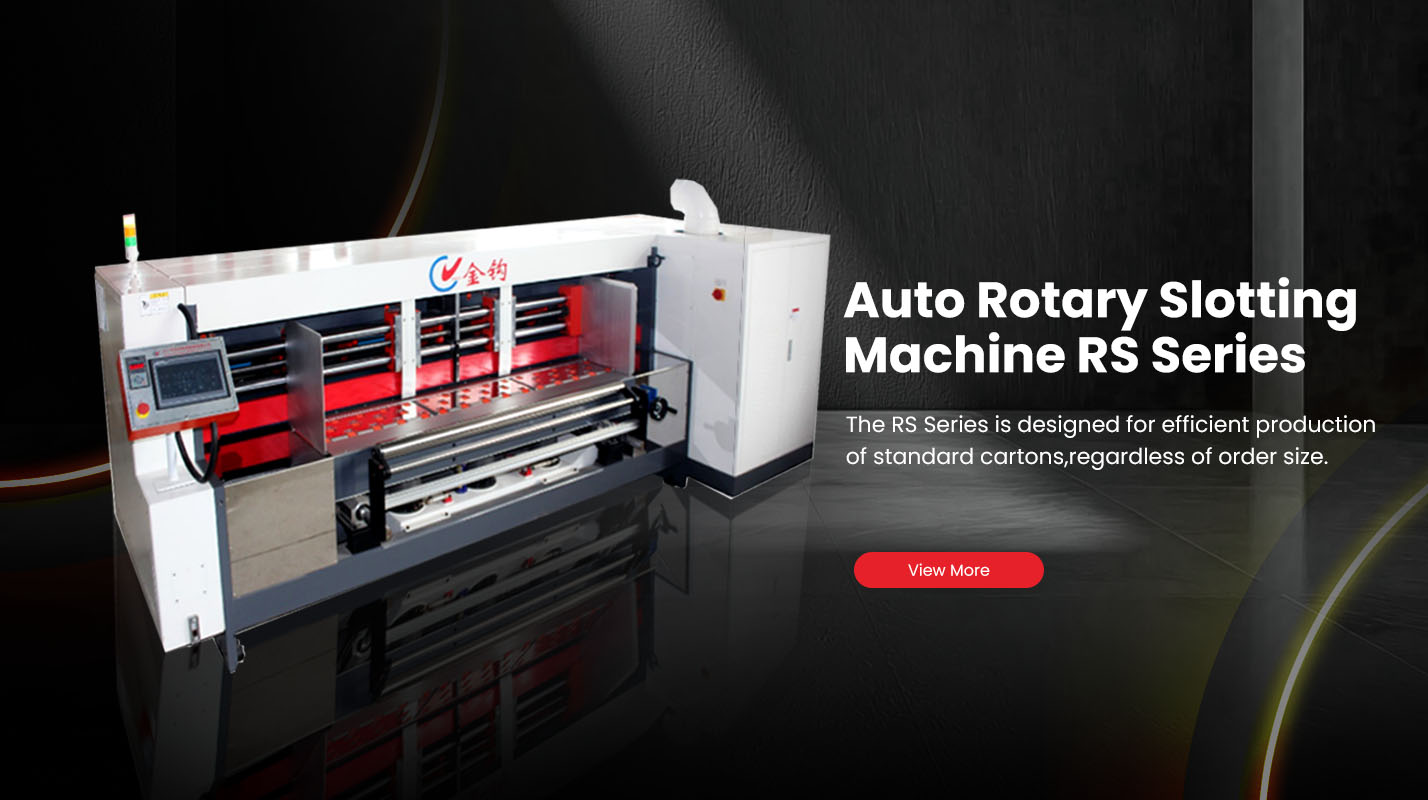
Slotting and die cutting processes create the openings and shapes required for carton assembly. These steps define carton panels, flaps, and structural connections.
Quality control teams inspect slot alignment, cutting accuracy, and dimensional consistency. Incorrect slotting positions can lead to improper carton folding or reduced structural strength.
Ensuring precision during these processes helps maintain consistent carton dimensions.
Carton Assembly Inspection
After processing steps such as slotting and scoring, cartons are folded and assembled. During this stage, inspectors check whether cartons maintain correct dimensions and structural alignment.
Adhesive bonding areas must be properly sealed to ensure carton stability. Folding accuracy is also verified to confirm that cartons can be assembled efficiently during packaging operations.
Consistent carton assembly quality is essential for maintaining packaging reliability.
Manufacturer vs Trader in Equipment Selection
The quality of corrugated cartons depends heavily on the performance of the machinery used during production. When sourcing equipment, packaging factories often evaluate whether to purchase machines from manufacturers or through trading intermediaries.
Manufacturers typically control machine design, material selection, machining processes, and assembly procedures. This allows them to maintain stricter quality control over equipment performance.
Trading companies often distribute machines from external suppliers and may have limited involvement in equipment engineering.
Jingou Packaging Machinery operates its own manufacturing facility and engineering team, enabling the development of carton processing equipment designed for reliable production performance.
OEM and ODM Equipment Development
Many packaging factories require equipment customized for their production conditions. OEM and ODM cooperation allows machinery manufacturers to design machines that match specific board sizes, production capacities, and automation requirements.
The development process usually includes requirement analysis, engineering design, prototype testing, and performance validation. These steps help ensure that machines deliver stable processing accuracy during carton production.
Manufacturing Process Overview
The production of carton processing machinery requires precise machining and structured assembly procedures.
Machine frames, shafts, and mechanical components are produced using precision machining equipment. Functional modules including slitting systems, slotting units, and feeding mechanisms are assembled before final integration.
Electrical control systems such as PLC controllers coordinate machine operation and maintain stable production performance.
Material Standards Used in Machinery
Industrial carton machinery requires durable materials capable of supporting continuous production. High-strength structural steel is commonly used for machine frames, while precision alloy steel components are used in transmission systems and rotating shafts.
Wear-resistant materials are applied to cutting components such as slitting blades and scoring wheels to maintain long-term processing accuracy.
Bulk Supply Considerations
Packaging factories expanding production capacity often purchase multiple machines as part of equipment investment projects. Bulk procurement requires coordinated production scheduling, logistics planning, and installation preparation.
Manufacturers must ensure consistent equipment quality across all machines delivered within a project.
Export Market Compliance
Packaging machinery exported to international markets must comply with industrial safety standards and documentation requirements. These include electrical safety regulations, operational protection systems, and technical manuals necessary for equipment installation and operation.
Proper export packaging and transportation arrangements are also necessary to ensure safe delivery of machinery.
Conclusion
Quality control in corrugated carton manufacturing involves multiple inspection stages covering raw materials, board production, carton converting processes, and final product verification. Each stage plays an essential role in ensuring that cartons meet structural and dimensional standards.
Manufacturers with strong engineering capability, structured production systems, and strict quality control procedures can provide reliable equipment solutions for packaging factories. Jingou Packaging Machinery continues to develop carton processing equipment designed to support consistent and efficient corrugated carton production.