




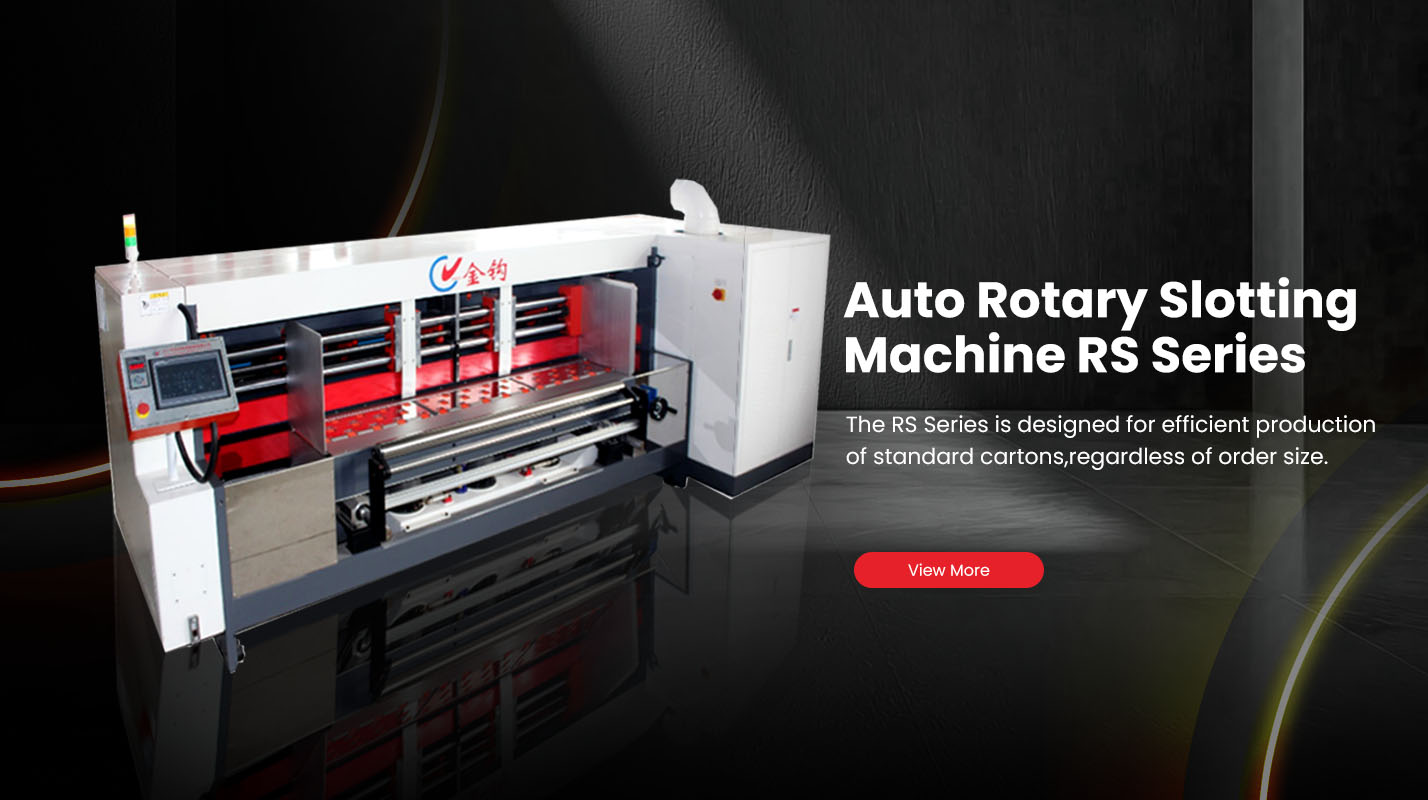
What Are The Advantages Of Thin Blade Technology in Carton Slitting Machines?
In corrugated carton manufacturing, slitting machines play a critical role in preparing corrugated boards for carton conversion. The slitting process determines the width of carton panels and directly influences dimensional accuracy and production efficiency. Thin blade technology has become a widely adopted solution in modern carton slitting machines because it provides higher precision, smoother cutting results, and improved production stability.
Compared with traditional thick blade cutting systems, thin blade slitting technology reduces cutting resistance and improves board processing quality. Equipment developed by manufacturers such as Jingou Packaging Machinery focuses on integrating thin blade systems that support stable and accurate carton production.
Higher Cutting Precision
One of the most significant advantages of thin blade technology is improved cutting accuracy. Thin blades have a smaller cutting edge thickness, which allows them to penetrate corrugated boards with less mechanical resistance.
This reduced resistance helps maintain stable blade positioning during high-speed production. As a result, corrugated boards are cut with greater dimensional consistency. Accurate slitting is essential for ensuring that carton panels align correctly during folding and assembly.
Improved cutting precision also helps packaging factories maintain strict packaging specifications required for automated packing systems.
Cleaner Board Edges
Thin blade slitting systems produce cleaner and smoother board edges compared with conventional cutting tools. The thinner cutting edge reduces pressure on the corrugated board during the cutting process.
This prevents board crushing or fiber tearing along the cut line. Smooth board edges improve the appearance of the finished carton and ensure that panels fold correctly without structural damage.
Cleaner cuts also reduce the amount of paper dust generated during production, improving the overall working environment.
Reduced Material Damage
Corrugated boards consist of layered paper structures that can be damaged if excessive cutting pressure is applied. Traditional thick blade systems may compress or distort the board during slitting.
Thin blade technology reduces the pressure required to cut through the board. This helps preserve the integrity of the flute structure and prevents deformation of the corrugated medium.
Maintaining the structural integrity of the board improves the strength and durability of the final carton.
Higher Production Efficiency
Thin blade slitting machines support high-speed production because the blades encounter less resistance when cutting through corrugated boards. Reduced cutting resistance allows machines to maintain stable operation at higher processing speeds.
Stable high-speed production helps packaging factories increase output capacity while maintaining consistent product quality. This is especially important for factories handling large production volumes.
Longer Blade Service Life
Thin blade technology also contributes to longer tool service life. Because the cutting process generates less friction and pressure, blade wear occurs more gradually.
Wear-resistant blade materials further improve durability and maintain cutting sharpness during extended production cycles. Longer blade service life reduces maintenance frequency and lowers overall operating costs.
Manufacturer vs Trader in Equipment Selection
The performance of thin blade slitting machines depends heavily on engineering design and manufacturing precision. When sourcing equipment, buyers often compare machines offered by manufacturers and trading intermediaries.
Manufacturers control equipment design, material selection, machining processes, and assembly procedures. This allows them to maintain stricter quality control and optimize machine performance.
Trading companies often distribute equipment produced by different factories and may have limited involvement in engineering development.
Jingou Packaging Machinery operates its own production facility and engineering team, enabling the development of slitting machines designed for precision and stable operation.
OEM and ODM Equipment Development
Packaging factories often require machinery customized for their production conditions. OEM and ODM cooperation allows equipment manufacturers to design slitting machines according to board width, production capacity, and processing speed requirements.
The development process typically begins with technical requirement analysis followed by engineering design and prototype testing. Performance validation ensures that the equipment meets industrial production standards before full-scale manufacturing begins.
Manufacturing Process Overview
Producing thin blade slitting machines requires precise machining and structured assembly procedures.
Machine frames, shafts, blade holders, and transmission components are manufactured using precision machining equipment. Slitting assemblies are produced as independent modules before final system integration.
Electrical control systems coordinate machine movement and ensure stable operation during production. Operational testing verifies cutting accuracy and machine stability before shipment.
Quality Control Checkpoints
Quality inspection procedures ensure that slitting machines perform reliably during industrial production.
Raw materials are inspected before machining begins to verify strength and durability. Machining accuracy inspections confirm that components meet dimensional tolerance requirements.
Assembly alignment tests ensure that blades operate with correct positioning. Operational testing simulates production conditions to confirm cutting precision and machine stability.
Material Standards Used
Industrial slitting machines require durable materials capable of supporting continuous operation. High-strength structural steel is commonly used for machine frames to maintain mechanical stability.
Precision alloy steel components are used for shafts and transmission systems, while slitting blades are produced using wear-resistant materials designed to maintain sharp cutting edges during long production cycles.
Bulk Supply Considerations
Packaging factories expanding production capacity often purchase multiple machines as part of larger equipment investment projects. Bulk procurement requires coordinated production scheduling, logistics planning, and installation preparation.
Manufacturers must ensure consistent machine quality across all equipment delivered within a project.
Export Market Compliance
Packaging machinery exported to international markets must comply with industrial safety regulations and documentation requirements. These include electrical safety standards, operational protection systems, and technical manuals necessary for equipment installation and operation.
Proper export packaging and transportation arrangements are also necessary to ensure safe delivery of heavy machinery.
Conclusion
Thin blade technology provides several important advantages in carton slitting machines, including higher cutting precision, cleaner board edges, reduced material damage, and improved production efficiency. These benefits help packaging factories maintain consistent carton quality while increasing production capacity.
Manufacturers with strong engineering capability, structured production systems, and strict quality control procedures can provide reliable slitting equipment for modern corrugated packaging production. Jingou Packaging Machinery continues to develop thin blade slitting machines designed to support precise and efficient carton manufacturing.