




How Do Automatic Carton Making Machines Reduce Labor Costs?
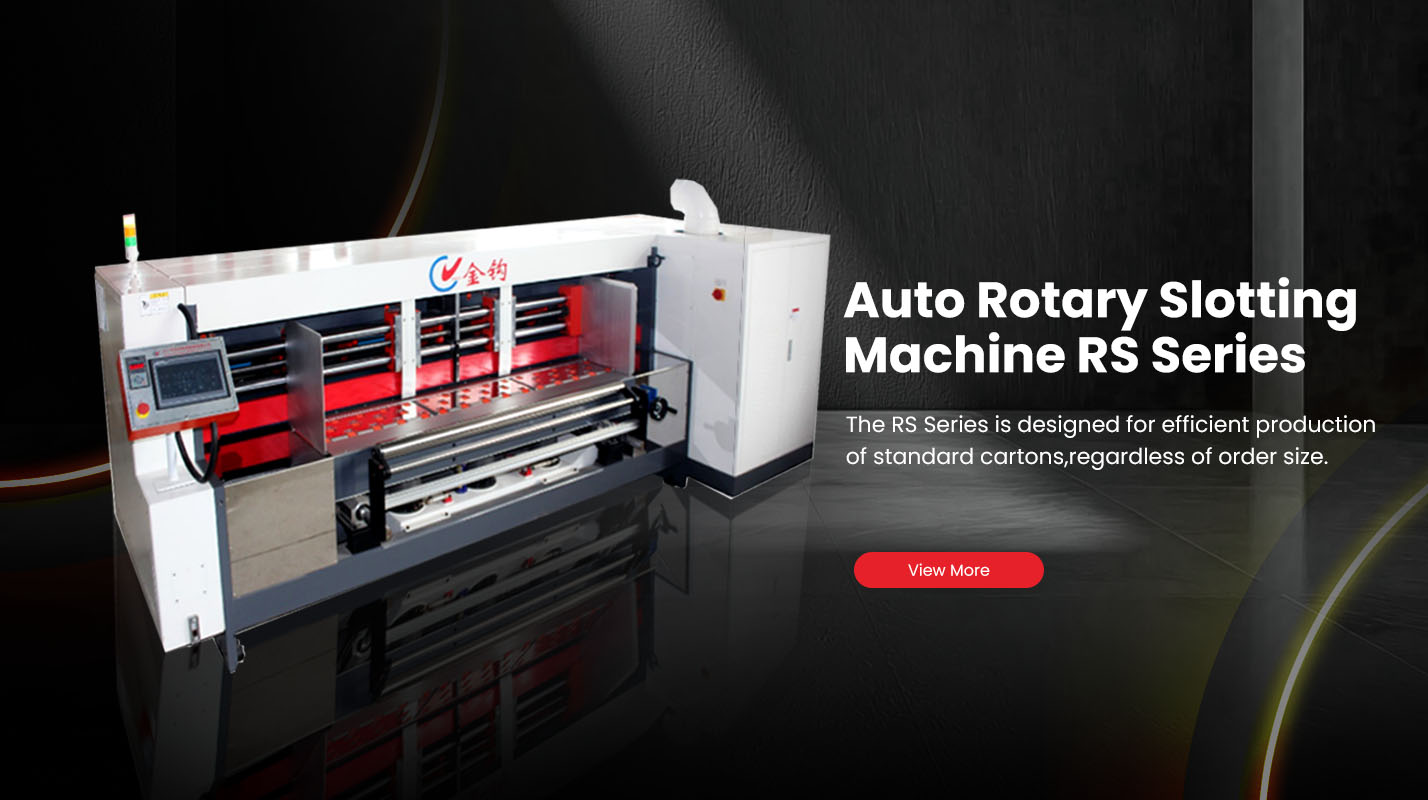
Labor costs are a significant operating expense in the packaging industry. As production volumes increase and workforce availability fluctuates, packaging factories are increasingly adopting Automatic Carton Making Machines to improve efficiency and reduce reliance on manual labor. These machines automate key processes such as board feeding, slitting, scoring, slotting, and carton forming, allowing factories to produce cartons with minimal human intervention.
Automatic carton making technology enables packaging manufacturers to maintain high production output while controlling labor expenses and improving operational consistency. Equipment developed by manufacturers such as Jingou Packaging Machinery is designed to support stable, automated carton production in modern packaging facilities.
Reduced Manual Handling in Production
Traditional carton manufacturing often requires workers to manually transfer boards between machines and perform carton folding operations. These manual steps slow production and increase labor requirements.
Automatic Carton Making Machines integrate multiple processing stages within one system. Corrugated boards are automatically fed, processed, and converted into carton structures without repeated manual handling. Operators primarily monitor machine operation rather than performing physical production tasks.
By eliminating manual material movement, factories can significantly reduce the number of workers required on the production line.
Continuous High-Speed Production
Manual carton production is limited by human working speed and fatigue. Automatic machines operate at stable production speeds throughout long production cycles.
Continuous operation allows factories to produce large quantities of cartons without interruptions caused by manual handling delays. Higher production output means fewer workers are required to achieve the same production volume.
Automated systems also reduce the risk of production slowdowns caused by operator fatigue or inconsistent manual work.
Lower Workforce Training Requirements
Manual carton assembly requires workers to develop experience in folding, slotting alignment, and packaging operations. Training new workers can take time and may affect production efficiency.
Automatic carton making machines rely on programmed control systems and standardized machine operations. Once machine parameters are set, operators only need basic training to supervise equipment operation.
Reducing complex manual tasks simplifies workforce training and improves overall production management.
Improved Production Consistency
Manual carton assembly can introduce inconsistencies in folding accuracy and carton dimensions. These inconsistencies may lead to packaging defects or slower downstream packing processes.
Automated machines produce cartons using calibrated mechanical movements. This ensures consistent carton dimensions and precise folding lines for every unit produced.
Consistent carton quality improves packaging reliability and reduces product waste.
Manufacturer vs Trader in Equipment Selection
The performance of automatic carton making machines depends heavily on engineering design and manufacturing quality. When sourcing equipment, buyers often evaluate whether to purchase machines from manufacturers or through trading companies.
Manufacturers control machine design, component production, assembly procedures, and equipment testing. This allows them to maintain strict quality control and provide technical support during installation and operation.
Trading intermediaries may distribute machines produced by external factories and may have limited involvement in equipment engineering.
Jingou Packaging Machinery operates its own manufacturing facility and engineering team, enabling the development of automated carton machines designed for stable and efficient production.
OEM and ODM Equipment Development
Packaging factories often require machines customized to their production environment. OEM and ODM cooperation allows machinery manufacturers to design equipment based on factors such as board width, carton size range, and production capacity.
The development process typically begins with requirement analysis followed by engineering design, prototype testing, and performance validation. These steps ensure that machines meet production efficiency and reliability requirements before full-scale manufacturing begins.
Manufacturing Process Overview
Producing automatic carton making machines requires precise machining and structured assembly procedures.
Machine frames, shafts, transmission components, and mechanical assemblies are manufactured using precision machining equipment. Functional modules such as feeding systems, cutting units, and forming mechanisms are assembled before final integration.
Electrical control systems coordinate machine operation and maintain stable production performance.
Quality Control Checkpoints
Quality inspection procedures ensure that automated carton machines operate reliably in industrial production environments.
Manufacturers inspect raw materials before machining begins. Machining accuracy inspections confirm that components meet dimensional tolerance standards. Assembly alignment tests ensure that mechanical systems operate correctly.
Operational testing simulates production conditions to verify machine stability before shipment.
Material Standards Used
Industrial carton machinery requires durable materials capable of supporting continuous production.
High-strength structural steel is commonly used for machine frames, while precision alloy steel components are used for shafts and drive systems. Wear-resistant materials are applied to cutting assemblies to maintain long-term processing accuracy.
These materials ensure that machines maintain stable performance during extended production cycles.
Bulk Supply Considerations
Packaging factories expanding production capacity often purchase multiple machines as part of equipment investment projects. Bulk procurement requires coordinated production scheduling, logistics planning, and installation preparation.
Manufacturers must ensure consistent machine quality across all equipment delivered within a project.
Export Market Compliance
Packaging machinery exported to international markets must comply with industrial safety regulations and documentation requirements. These include electrical safety standards, operational protection systems, and technical manuals necessary for equipment installation and operation.
Proper export packaging and transportation arrangements are also necessary to ensure safe delivery of heavy equipment.
Conclusion
Automatic carton making machines reduce labor costs by minimizing manual handling, increasing production speed, simplifying workforce training, and improving production consistency. These benefits allow packaging factories to maintain higher efficiency while controlling operating expenses.
Manufacturers with strong engineering capability, structured production systems, and strict quality control procedures can provide reliable automated equipment solutions for modern packaging production. Jingou Packaging Machinery continues to develop automated carton making machines designed to support efficient and stable carton manufacturing.