




How Do Plc Control Systems Improve Packaging Machinery Automation?
Automation has become a key factor in modern packaging manufacturing. As production volumes increase and packaging specifications become more complex, factories require machines capable of operating with high precision, stable speed, and minimal manual intervention. PLC control systems play a central role in achieving these goals by enabling packaging machinery to perform coordinated operations with reliable accuracy.
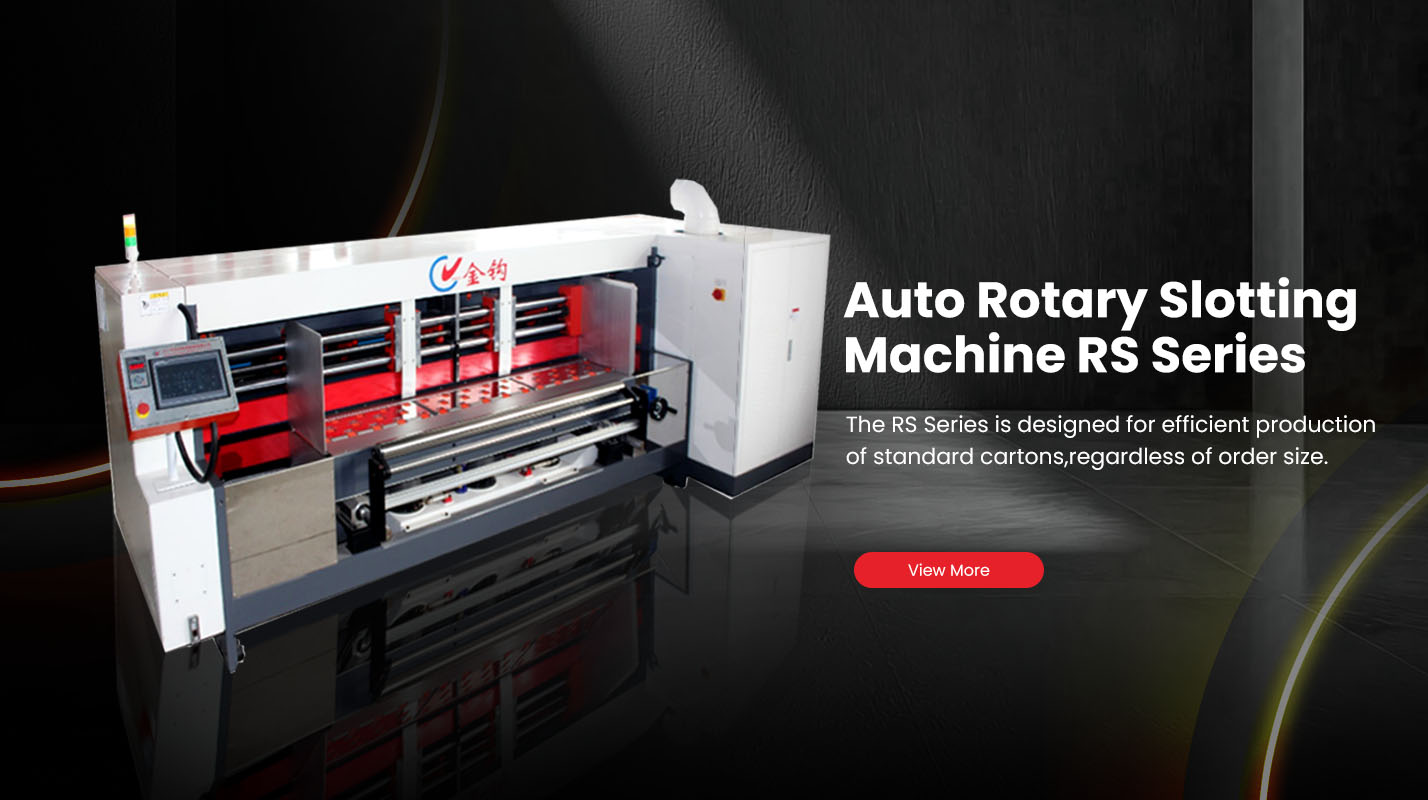
A PLC control system manages machine functions through programmable logic, allowing packaging equipment to control feeding, cutting, slotting, and forming operations automatically. Manufacturers such as Jingou Packaging Machinery integrate PLC technology into carton processing equipment to improve production stability and operational efficiency.
Centralized Machine Control
One of the primary advantages of PLC systems is centralized control of multiple machine functions. In packaging machinery, several mechanical processes must operate in synchronization, including feeding systems, slitting units, slotting mechanisms, and forming devices.
PLC controllers coordinate these functions through programmed instructions. Sensors and input signals continuously provide operational data to the controller, which then adjusts machine actions in real time. This centralized control ensures that each stage of the production process operates in correct sequence.
Improved Production Accuracy
Packaging production requires high dimensional accuracy to ensure that cartons fold correctly and meet packaging specifications. PLC systems allow machines to maintain precise control over mechanical movement and processing parameters.
Machine settings such as cutting positions, feeding speed, and operational timing can be programmed into the control system. Once configured, the machine repeats these parameters consistently across large production runs. This reduces the risk of human error and ensures uniform product quality.
Real-Time Operational Monitoring
PLC control systems enable continuous monitoring of machine operation. Sensors installed throughout the equipment provide data related to speed, position, temperature, and system status.
The PLC processes this information and can automatically adjust machine parameters to maintain stable operation. If irregular conditions occur, the system can trigger alerts or stop the machine to prevent equipment damage or product defects.
Real-time monitoring improves production reliability and reduces downtime.
Flexible Production Adjustment
Packaging factories often produce cartons with different sizes and structural designs. PLC systems allow operators to quickly adjust machine parameters when switching between production specifications.
Instead of performing complex mechanical adjustments, operators can modify production settings through the machine control interface. This flexibility improves production efficiency when handling multiple carton designs.
Automated parameter adjustment also reduces the time required for production changeovers.
Reduced Labor Requirements
PLC-based automation reduces the need for manual machine operation. Instead of controlling individual mechanical processes, operators mainly supervise machine performance and manage production settings.
Automation allows packaging factories to operate machines continuously with fewer workers. This helps reduce labor costs while maintaining consistent production output.
Manufacturer vs Trader in Equipment Selection
The performance of PLC-controlled machinery depends heavily on machine design and engineering integration. When selecting packaging equipment, buyers often consider whether to source machines directly from manufacturers or through trading companies.
Manufacturers typically control equipment design, electrical system integration, and software programming. This allows them to optimize machine automation and ensure compatibility between mechanical and control systems.
Trading intermediaries may distribute machines produced by different factories and may have limited involvement in automation system development.
Jingou Packaging Machinery operates its own production facility and engineering team, enabling the integration of PLC control systems within carton processing equipment.
OEM and ODM Equipment Development
Packaging factories often require machinery customized for their production environment. OEM and ODM cooperation allows manufacturers to design control systems that match specific production requirements.
During development, engineers analyze factors such as machine configuration, production capacity, and automation level. Control programs are then designed to coordinate mechanical operations efficiently.
Prototype testing ensures that the PLC system maintains stable machine performance before equipment enters mass production.
Manufacturing Process Overview
The production of PLC-controlled packaging machinery involves both mechanical manufacturing and electrical system integration.
Machine frames and mechanical components are produced using precision machining equipment. Functional modules such as feeding systems, slitting units, and slotting assemblies are assembled before electrical installation.
PLC controllers, sensors, and control panels are then installed to coordinate machine operation. Operational testing verifies system stability and automation performance.
Quality Control Checkpoints
Quality control procedures ensure that automated machinery performs reliably during industrial production.
Manufacturers inspect raw materials before machining begins. Machining accuracy inspections verify that mechanical components meet dimensional tolerance standards.
Electrical system testing confirms proper installation of PLC controllers, sensors, and control circuits. Operational testing simulates production conditions to verify automation stability.
Material Standards Used
Industrial packaging machinery requires durable materials capable of supporting continuous production.
High-strength structural steel is used for machine frames to maintain mechanical stability. Precision alloy steel components are used for transmission systems and rotating shafts. Wear-resistant materials are applied to cutting assemblies to ensure long-term processing accuracy.
These material standards support stable machine operation under automated production conditions.
Bulk Supply Considerations
Large packaging factories often purchase multiple machines as part of capacity expansion projects. Bulk procurement requires coordinated production scheduling, logistics planning, and installation preparation.
Manufacturers must ensure that all machines delivered within a project maintain consistent automation performance and quality standards.
Export Market Compliance
Packaging machinery exported to international markets must comply with industrial safety and electrical standards. These include electrical protection requirements, operational safety systems, and technical documentation necessary for installation and operation.
Proper export packaging and transportation arrangements are also required to ensure safe delivery of equipment.