




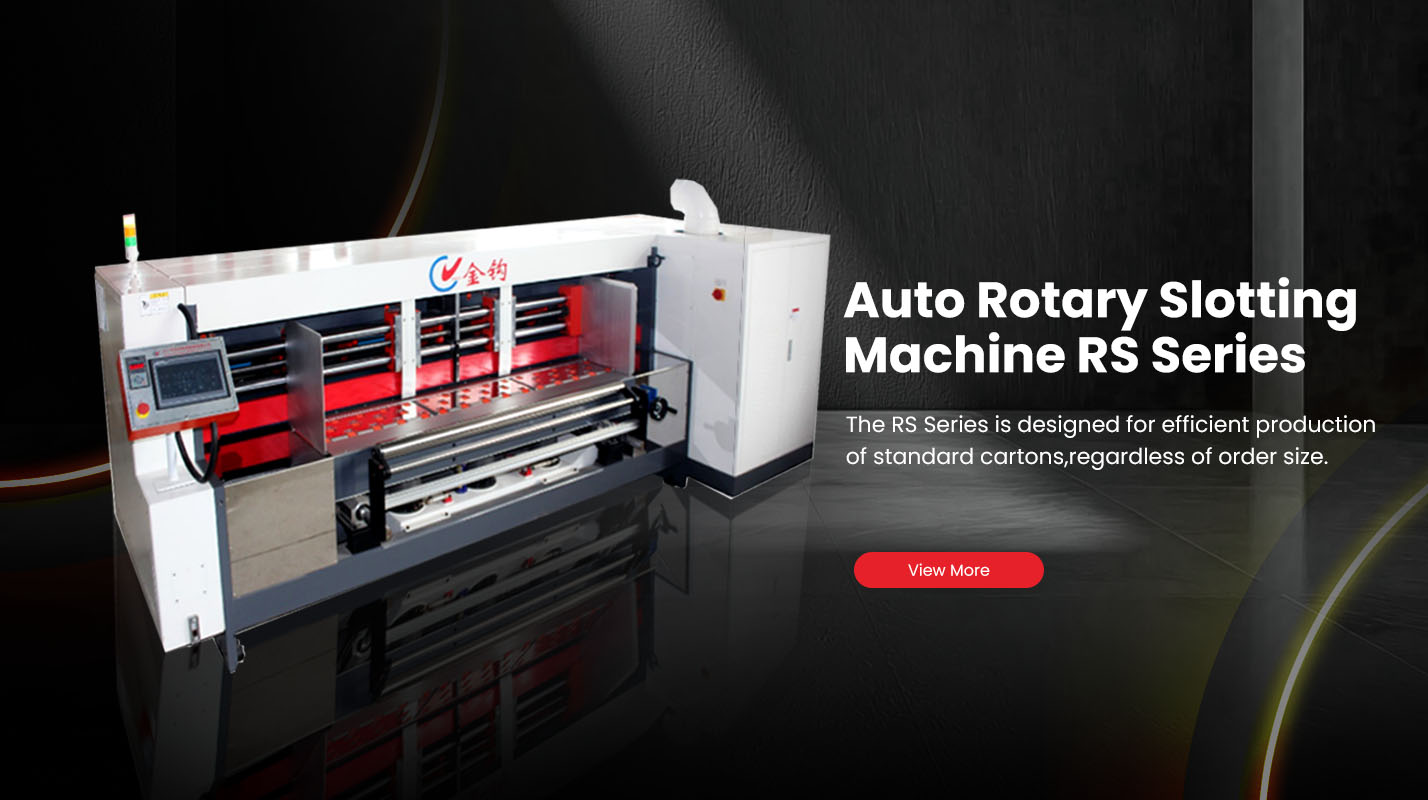
slitter scorer machines play a crucial role in corrugated carton manufacturing by performing precise cutting and scoring operations on corrugated boards. These processes define panel dimensions and folding lines that determine carton structure and accuracy. Because slitter scorer machines operate continuously in high-volume production environments, proper maintenance is essential for maintaining machine performance and extending equipment service life.
Effective maintenance practices help reduce mechanical wear, prevent unexpected downtime, and maintain consistent cutting accuracy. Manufacturers such as Jingou Packaging Machinery design equipment with durable structures and precision components, but regular maintenance remains necessary to ensure long-term operational stability.
Regular Blade Inspection and Replacement
Slitting blades are among the most critical components in a slitter scorer machine. Over time, continuous cutting operations can cause blade edges to wear or lose sharpness. Worn blades may produce rough edges, inconsistent cutting widths, or increased resistance during operation.
Routine inspection of blade condition helps identify wear before it affects production quality. When blades become dull or damaged, timely replacement ensures clean cuts and reduces stress on the machine’s transmission system.
Maintaining sharp blades also helps prevent unnecessary vibration and improves overall machine efficiency.
Scoring Wheel Calibration
Scoring wheels create folding lines that guide carton assembly. Incorrect scoring pressure or misaligned scoring wheels can cause improper fold lines or board damage.
Regular calibration of scoring wheel position and pressure ensures that crease lines are produced accurately. Proper alignment between scoring wheels and slitting blades also helps maintain consistent carton panel dimensions.
Routine adjustments help ensure stable folding performance during downstream carton forming operations.
Lubrication of Moving Components
Slitter scorer machines contain many moving components such as shafts, bearings, transmission gears, and guide rails. Without proper lubrication, these components may experience excessive friction and wear.
Scheduled lubrication of mechanical parts helps maintain smooth movement and prevents overheating or mechanical damage. High-quality lubricants reduce friction between moving parts and extend the service life of mechanical assemblies.
Proper lubrication also contributes to stable machine operation during high-speed production.
Alignment Inspection of Mechanical Systems
Precise alignment of machine components is essential for maintaining cutting accuracy and operational stability. Misalignment of shafts, blade holders, or transmission systems can lead to vibration, uneven cutting, or accelerated component wear.
Routine inspection ensures that all mechanical components remain properly aligned. If deviations are detected, adjustments can be made to restore correct positioning.
Maintaining accurate alignment helps prevent damage to both cutting tools and structural components.
Cleaning and Dust Removal
Corrugated board processing generates paper dust and fiber particles during cutting operations. If these particles accumulate within the machine, they may affect sensor performance, mechanical movement, or electrical systems.
Regular cleaning of machine surfaces, guide rails, and internal components helps prevent dust buildup. Removing debris ensures smooth mechanical movement and reduces the risk of operational interference.
Clean machines also allow maintenance teams to more easily detect potential issues.
Electrical System Inspection
Modern slitter scorer machines often use automated control systems such as PLC controllers and sensors. These electrical systems coordinate machine operation and maintain processing accuracy.
Routine inspection of electrical components ensures that wiring connections, sensors, and control panels remain in proper working condition. Early detection of electrical faults can prevent unexpected machine stoppages.
Stable electrical systems are essential for maintaining reliable machine automation.
Manufacturer vs Trader in Equipment Selection
The durability of slitter scorer machines depends heavily on machine design and manufacturing quality. When sourcing equipment, buyers often consider whether to purchase machines from manufacturers or trading intermediaries.
Manufacturers control machine design, material selection, machining processes, and assembly procedures. This allows them to build machines with stronger structural stability and provide technical support for maintenance and operation.
Trading companies may distribute machines from external suppliers and may not have direct involvement in engineering development.
Jingou Packaging Machinery operates its own manufacturing facility and engineering team, enabling the development of equipment designed for long-term reliability and easier maintenance.
OEM and ODM Equipment Development
Packaging factories often require machinery customized to their production environment. OEM and ODM cooperation allows manufacturers to design machines according to board width, production capacity, and automation requirements.
During development, engineers evaluate machine structure and maintenance accessibility to ensure that equipment can be serviced efficiently. Prototype testing verifies machine durability and maintenance requirements before mass production begins.
Manufacturing Process Overview
Producing slitter scorer machines requires precise machining and structured assembly procedures.
Machine frames, shafts, blade holders, and transmission components are manufactured using precision machining equipment. Slitting and scoring assemblies are produced as independent modules before final machine integration.
Electrical systems are installed to coordinate machine operation and maintain stable production performance. Operational testing verifies machine reliability before shipment.
Quality Control Checkpoints
Quality inspection procedures ensure that slitter scorer machines meet industrial performance standards.
Manufacturers inspect raw materials before machining begins. Machining accuracy inspections verify that components meet dimensional tolerance requirements. Assembly alignment tests confirm that mechanical systems operate correctly.
Operational testing simulates production conditions to verify cutting accuracy and machine stability.
Material Standards Used
Industrial slitter scorer machines require durable materials capable of supporting continuous production.
High-strength structural steel is used for machine frames to maintain mechanical stability. Precision alloy steel components are used for transmission systems and rotating shafts. Slitting blades and scoring wheels are made from wear-resistant materials to maintain long-term performance.
These materials support reliable machine operation during extended production cycles.
Bulk Supply Considerations
Packaging factories expanding production capacity often purchase multiple machines as part of equipment investment projects. Bulk procurement requires coordinated production scheduling, logistics planning, and installation preparation.
Manufacturers must ensure consistent machine quality across all equipment delivered within a project.
Export Market Compliance
Packaging machinery exported to international markets must comply with industrial safety regulations and documentation requirements. These include electrical safety standards, machine protection systems, and technical manuals necessary for equipment installation and operation.
Proper export packaging and transportation arrangements are also required to ensure safe delivery of heavy machinery.
Conclusion
Extending the service life of slitter scorer machines requires consistent maintenance practices including blade inspection, scoring calibration, lubrication, alignment checks, cleaning, and electrical system monitoring. These procedures help maintain cutting precision, reduce mechanical wear, and ensure stable machine operation.
Manufacturers with strong engineering capability, structured manufacturing systems, and strict quality control procedures can provide durable equipment designed for long-term performance. Jingou Packaging Machinery continues to develop slitter scorer machines that support reliable and efficient corrugated carton production.