




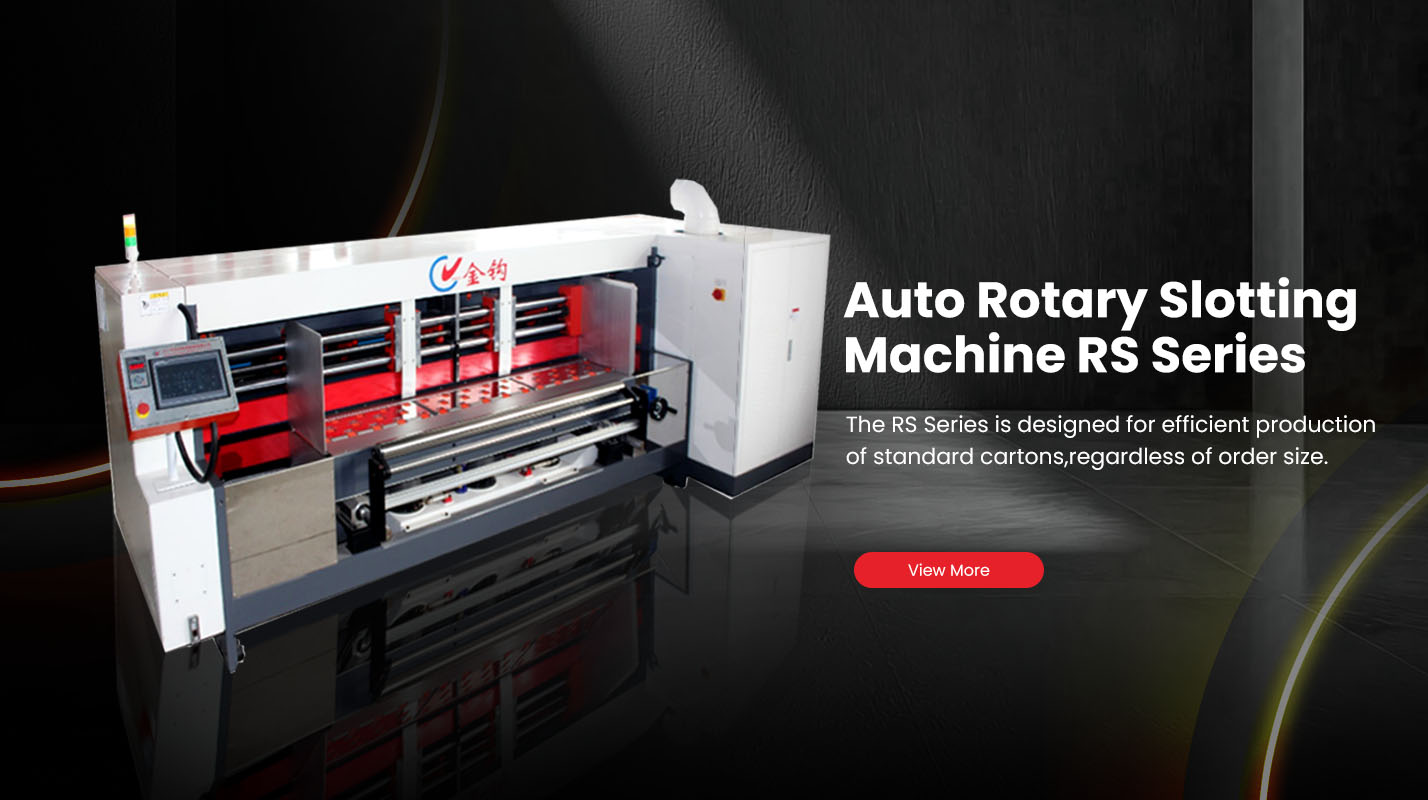
What Is the Difference Between Manual and Automatic Box Machines?
Manual and automatic box machines differ mainly in operation method, production speed, labor demand and output stability. A manual box machine needs more operator control during feeding, adjustment and handling, while an automatic box machine can complete more steps through mechanical transmission, control systems and preset settings.
In corrugated packaging production, machine choice should match order volume, carton size range, board thickness and labor cost. Corrugated board is made from linerboard and fluted medium. Single wall board is often used for light cartons, while double wall board supports heavier shipping cartons and export packaging.
Main Differences
| Item | Manual Box Machine | Automatic Box Machine |
|---|---|---|
| Operation | More manual adjustment | More controlled by machine system |
| Output | Suitable for smaller orders | Better for stable high-volume production |
| Labor | Needs more operator involvement | Reduces manual handling |
| Accuracy | Depends more on operator skill | More stable size and slotting control |
| Cost | Lower initial investment | Higher efficiency for long-term use |
Manufacturer Vs Trader
A trader may only compare machine price, but a manufacturer reviews board type, box size range, production speed, workshop layout, voltage and operator skill level. These details decide whether manual or automatic equipment is more practical for daily production.
JINGOU focuses on corrugated carton machinery, including box machine, carton forming machine, thin blade slitter scorer, rotary slotter machine and cardboard box forming equipment. Our team can help match equipment configuration with carton structure, production workflow and output target.
OEM / ODM Process
A practical OEM / ODM process starts with production data review. Buyers should confirm maximum box size, minimum box size, board thickness, flute structure, daily order quantity, voltage and available floor space. Then feeding, slitting, scoring, slotting and control systems can be configured according to real factory needs.
For bulk supply, the project sourcing checklist should include machine capacity, automation level, changeover speed, spare parts, blade maintenance, operator training, installation support, packaging method and export documents.
Manufacturing And Quality Control
The manufacturing process includes steel frame processing, parts machining, machine assembly, electrical testing, feeding trial, cutting inspection, slotting inspection and final running test. Quality checkpoints include feeding stability, slitting accuracy, scoring depth, slotting alignment, motor performance, control response and safety protection.
For export market compliance, clear manuals, electrical configuration confirmation, secure wooden packaging and machine labeling help support overseas shipment and installation.
Final Recommendation
Manual box machines are suitable for small orders, flexible operation and lower initial investment. Automatic box machines are better for higher output, stable accuracy and reduced labor pressure. The right choice should be based on carton type, order volume, labor cost and long-term production planning.