




What Is the Cost Difference Between Manual and Automatic Machines?
The cost difference between manual and automatic box machines is not only reflected in the purchase price. Production efficiency, labor requirements, material waste, maintenance costs, and long-term output capacity all influence the real investment value.
For corrugated packaging manufacturers, choosing between manual and automatic equipment depends on production goals. A manual machine may require lower initial investment, while an automatic corrugated Box Making Machine can provide better efficiency and consistency for growing production needs.
According to manufacturing industry data, labor costs and workforce availability have become important factors influencing automation decisions worldwide. The International Labour Organization has reported that many manufacturing sectors are facing increasing pressure from labor shortages and productivity improvement requirements. This makes automated packaging machinery an important solution for reducing repetitive manual operations.
Initial Investment Difference Between Manual And Automatic Machines
The biggest difference between manual and automatic machines is the initial equipment investment.
Manual machines usually have simpler structures and fewer automation systems, making them suitable for small production volumes. Automatic machines require more advanced control systems, feeding mechanisms, and precision components, which increases the initial cost.
| Equipment Type | Initial Investment | Main Advantage |
|---|---|---|
| Manual box machine | Lower equipment cost | Suitable for simple production |
| Semi-automatic machine | Medium investment | Balance between flexibility and efficiency |
| Automatic box making machine | Higher investment | Higher output and lower labor dependence |
However, the lowest purchase price does not always mean the lowest production cost. The total value should be evaluated based on production capacity and operating expenses.
Labor Cost Creates A Major Difference Over Time
Labor is one of the biggest factors affecting the long-term cost difference.
Manual machines usually require operators to handle more steps:
Cardboard feeding
Machine adjustment
Material positioning
Quality checking
Finished box handling
Automatic machines reduce these repetitive processes through integrated functions such as automatic feeding, cutting, scoring, slotting, and forming.
For factories producing different carton orders, automation can improve production stability while reducing dependence on operator experience.
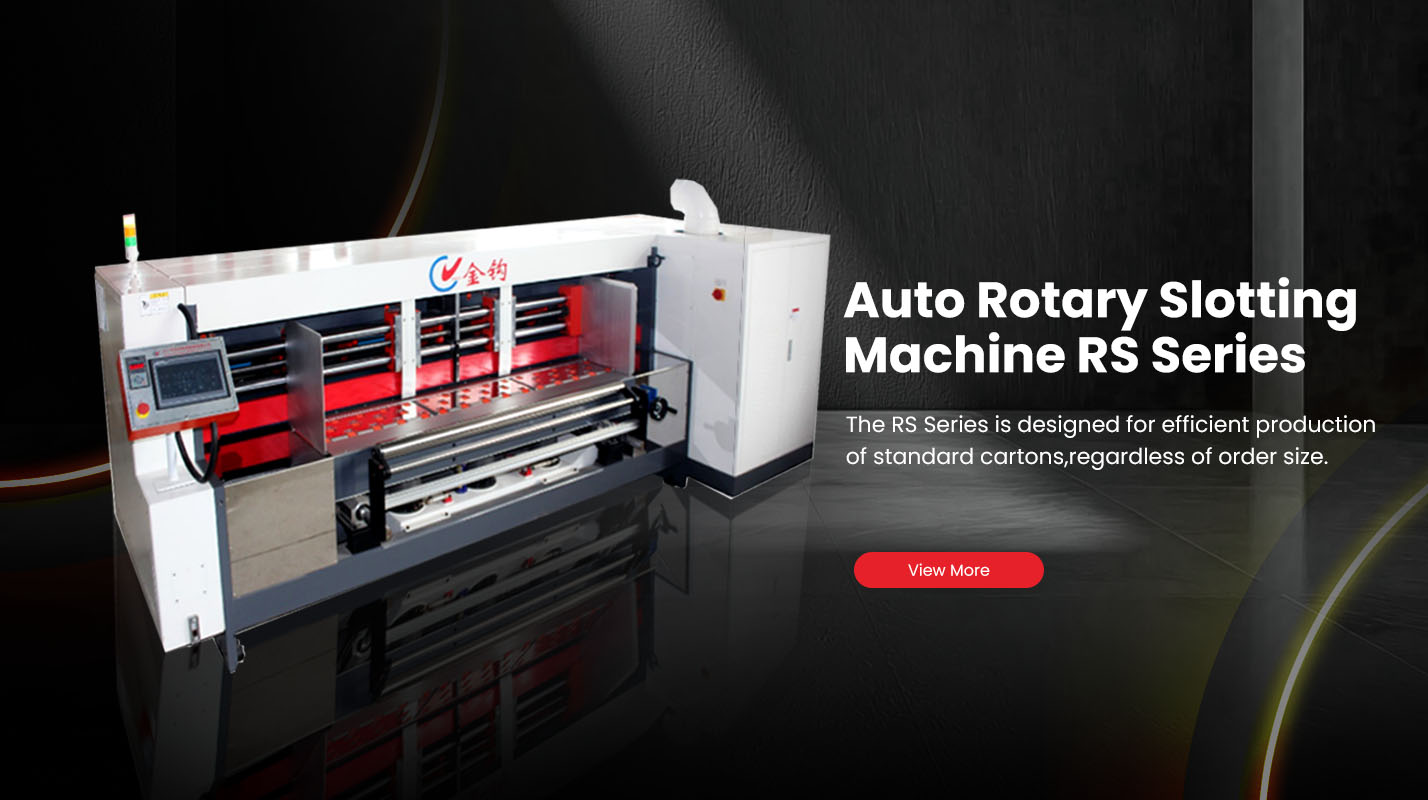
Our Automatic Carton Box Making Machine integrates multiple carton processing steps and is designed to improve production efficiency through automated operation. The equipment supports corrugated cardboard thickness from 2mm to 11mm and can achieve production speeds of around 400 to 600 pieces per hour. :contentReference[oaicite:0]{index=0}
Production Efficiency Affects Cost Per Box
The real cost difference between manual and automatic machines becomes clearer when calculating production output.
An automatic machine can produce more cartons within the same working time because it reduces manual handling and keeps processing parameters consistent.
| Comparison Item | Manual Machine | Automatic Machine |
|---|---|---|
| Operator involvement | Higher | Lower |
| Production consistency | Depends on operator skill | More stable |
| Changeover efficiency | Usually slower | Faster adjustment |
| Output capacity | Limited | Higher production efficiency |
| Labor requirement | More operators needed | Reduced manual operation |
For manufacturers handling customized carton orders, production flexibility is also important. A machine should not only produce faster but also support different box sizes and cardboard specifications.
Manufacturer Support Influences Long-Term Equipment Value
When comparing manual and automatic equipment, supplier capability should also be considered.
Working directly with a manufacturer provides advantages such as:
OEM and ODM customization
Technical communication with engineers
Production process optimization
Spare parts support
Quality control transparency
A trader mainly focuses on equipment distribution, while a manufacturer participates in machine design, manufacturing, testing, and improvement.
JINGOU specializes in developing corrugated carton machines for small quantity and multi-variety orders. The company developed automatic thin blade slitter scorer technology in 2009 and continues improving flexible box making equipment with patented designs and CE certification for export markets. :contentReference[oaicite:1]{index=1}
Manufacturing Process And Quality Control Affect Maintenance Cost
The long-term cost difference between manual and automatic machines is also related to machine reliability.
A professional manufacturing process includes:
Engineering design
Material selection and inspection
Precision machining
Mechanical assembly
Electrical system installation
Machine testing before shipment
Important quality control checkpoints include:
Machine frame accuracy
Cutting and slotting precision
Transmission system inspection
Electrical safety testing
Continuous operation testing
Reliable manufacturing helps reduce downtime and unexpected maintenance expenses.
Material Compatibility Determines Future Production Ability
Automatic machines often provide better flexibility when handling different corrugated cardboard materials.
Important material standards include:
Cardboard thickness
Flute structure
Single wall and double wall board
Different carton designs
A machine with wider material compatibility allows manufacturers to expand into different packaging applications, including electronics, furniture, lighting, hardware, and retail packaging.
JINGOU’s corrugated box making machines are designed to process various cardboard specifications while supporting flexible carton production requirements. :contentReference[oaicite:2]{index=2}
Consider OEM And ODM Requirements Before Investment
For customized packaging projects, automation level should match future production plans.
Before choosing equipment, manufacturers should evaluate:
| Project Factor | Key Question |
|---|---|
| Production volume | How many cartons are required daily? |
| Labor situation | How many operators are available? |
| Carton variety | How many box sizes need to be produced? |
| Material standard | What cardboard types are used? |
| Expansion plan | Can the machine support future growth? |
Proper planning helps avoid buying equipment that is either insufficient or unnecessarily expensive.
Export Compliance And Total Ownership Cost
For international equipment projects, the total cost includes more than machine price.
Important factors include:
CE certification
Technical documents
Transportation protection
Installation guidance
After-sales service
Spare parts availability
A reliable supplier helps reduce additional costs after equipment delivery.
Choose Equipment Based On Long-Term Production Value
The cost difference between manual and automatic machines should be evaluated through the entire production lifecycle.
Manual machines may be suitable for simple and low-volume production, while automatic corrugated box making machines can provide better efficiency, consistency, and scalability for manufacturers with changing market demands.
With years of experience in corrugated packaging machinery development, JINGOU focuses on providing flexible and reliable carton production solutions that help manufacturers improve efficiency and control long-term production costs.