




What Are Common Production Bottlenecks in Box Making?
Common box making bottlenecks include slow manual processes, machine downtime, material waste, inaccurate processing, and inefficient production workflows.
What Causes Production Bottlenecks in Box Manufacturing?
Production bottlenecks occur when one stage of the box making process cannot keep up with the speed or capacity of other stages.
In corrugated box manufacturing, problems can happen during material feeding, cutting, scoring, slotting, forming, or quality inspection. Even when other processes operate efficiently, a single slow step can reduce the overall production output.
From a manufacturing perspective, identifying bottlenecks is not only about increasing machine speed. It requires analyzing the complete production workflow and finding where time, materials, or labor are being lost.
How Does Manual Operation Create Production Delays?
Manual operation is one of the common causes of inefficiency in box production.
Traditional carton manufacturing often requires workers to manually adjust machine settings, position materials, and monitor multiple processing steps. These tasks take additional time and may create differences between production batches.
As order requirements become more customized and delivery schedules become shorter, excessive manual processes can limit production flexibility.
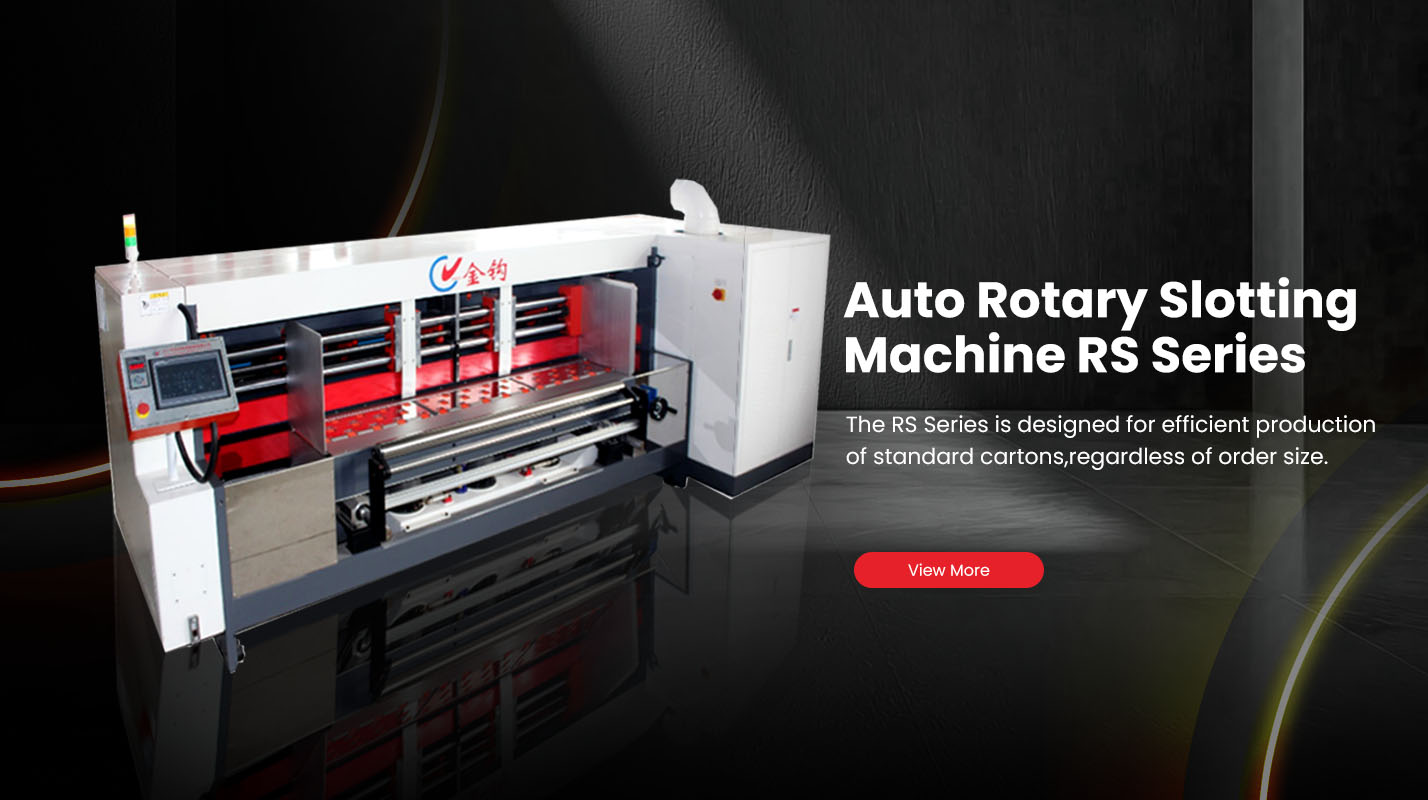
Automated Box Making Machines help reduce these delays by integrating feeding, cutting, scoring, slotting, and forming processes into a more continuous workflow.
How Does Machine Downtime Affect Box Production Efficiency?
Machine downtime can significantly reduce production capacity.
Unexpected equipment stops may interrupt the entire production line, especially when multiple processes depend on one machine. Common causes include component wear, improper maintenance, incorrect adjustment, or insufficient operator training.
Regular maintenance and reliable machine design are important for reducing downtime risks.
Professional manufacturers focus on equipment stability, component quality, and easy maintenance access to help packaging factories maintain continuous production.
How Do Material Problems Become Production Bottlenecks?
Raw material issues can slow down the entire manufacturing process.
Inconsistent corrugated board thickness, incorrect moisture levels, or unstable paper quality can affect cutting accuracy and forming performance. Operators may need to stop production frequently to adjust machine parameters or remove defective materials.
Effective material inspection before production helps prevent unnecessary interruptions.
A stable supply of suitable corrugated board allows box making machines to operate at their designed efficiency.
Can Poor Machine Accuracy Slow Down Box Production?
Yes, inaccurate processing can create hidden production bottlenecks.
When cutting, scoring, or slotting positions are inconsistent, additional time is required for adjustments, rework, or quality checks.
For example, inaccurate scoring may cause folding problems, while incorrect slotting can affect carton assembly. These issues not only reduce output but also increase material waste.
Modern automatic carton machines improve production stability through precision processing systems that reduce repeated adjustments.
How Does Inefficient Workflow Affect Carton Manufacturing?
A poorly organized production workflow can limit factory efficiency even when machines perform well.
Common workflow problems include:
Long material movement distances
Unbalanced production steps
Frequent machine setup changes
Delayed quality inspections
Poor coordination between processes
Improving workflow design allows each production stage to operate more smoothly.
Manufacturers often evaluate the entire production process rather than focusing only on individual machines.
Why Do Frequent Product Changes Slow Down Box Production?
Customized packaging requires manufacturers to handle different carton sizes, structures, and specifications.
Frequent changes between orders can create downtime because machines need adjustment before producing the next carton type.
Flexible automated Box Making Equipment helps reduce setup time by allowing faster parameter adjustments and more efficient production switching.
This capability is especially valuable for manufacturers producing multiple packaging styles or smaller customized orders.
How Can Quality Problems Create Production Bottlenecks?
Quality issues can interrupt production and increase processing time.
When defective cartons are discovered after production, manufacturers may need to stop the line, inspect previous output, and repeat certain processes.
Common quality-related bottlenecks include:
Incorrect carton dimensions
Poor folding alignment
Uneven scoring results
Damaged corrugated board
Inconsistent box strength
Building quality control into each production stage helps prevent larger disruptions.
How Can Automation Reduce Box Production Bottlenecks?
Automation improves production flow by reducing repetitive manual tasks and maintaining stable processing conditions.
Automated corrugated box machines help manufacturers overcome common bottlenecks through:
Faster material feeding
More accurate cutting and scoring
Stable slotting performance
Reduced adjustment frequency
Improved production consistency
Automation does not simply increase speed. Its greater value is creating a predictable manufacturing process that reduces interruptions.
What Role Does Equipment Selection Play in Preventing Bottlenecks?
Choosing suitable equipment is essential for avoiding long-term production limitations.
A machine that does not match factory requirements may create problems such as insufficient capacity, frequent adjustments, or limited flexibility.
Manufacturers should consider:
Expected production volume
Carton size range
Required automation level
Material specifications
Future production expansion
A properly selected box making machine supports smoother production and reduces operational challenges.
How Can Manufacturers Improve Box Production Efficiency?
Improving efficiency requires a combination of equipment upgrades, process optimization, and production management.
Key improvement methods include:
Upgrading outdated equipment
Reducing unnecessary manual steps
Maintaining machines regularly
Training operators effectively
Monitoring production performance
A complete improvement strategy helps factories increase output while maintaining carton quality.