




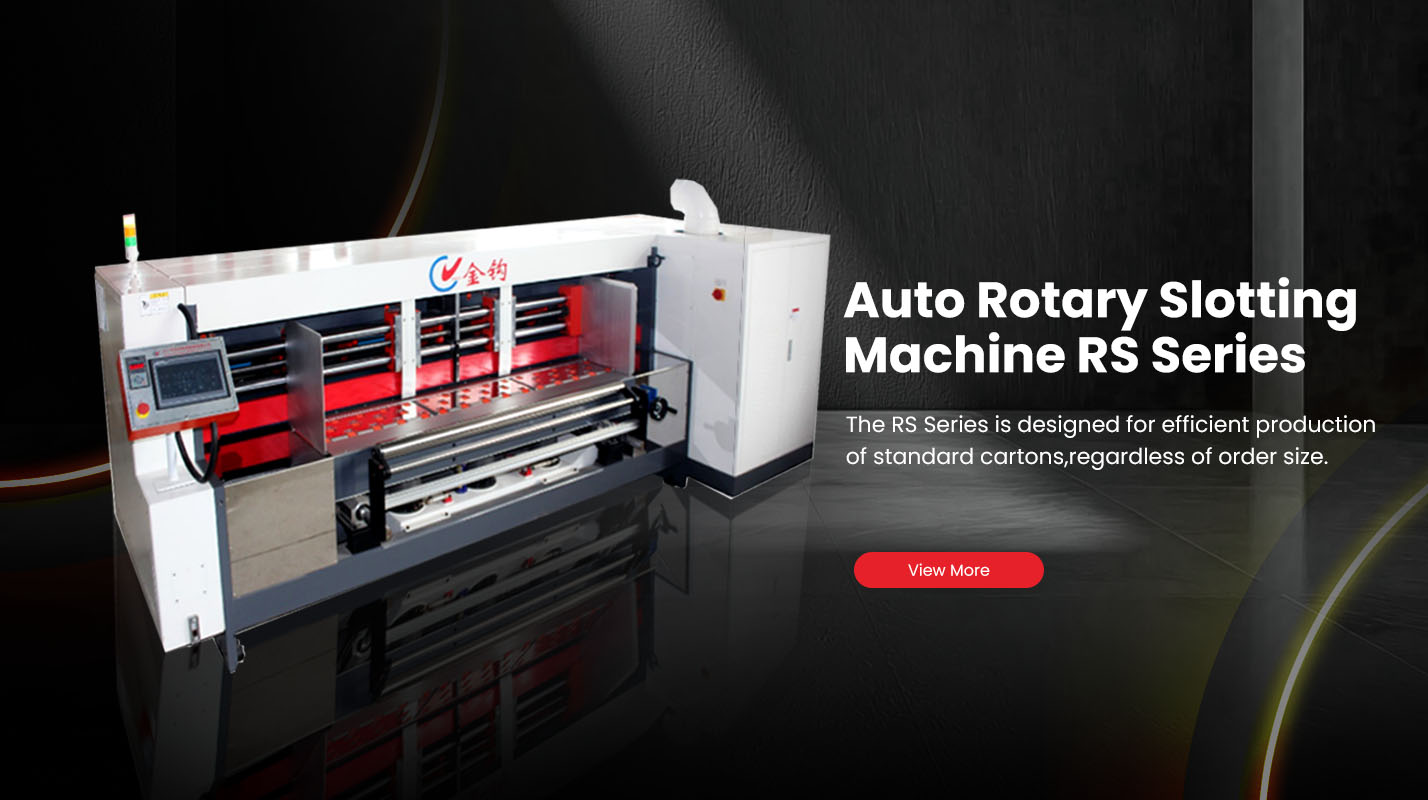
How to Reduce Downtime in Box Manufacturing?
Reducing downtime in box manufacturing requires reliable equipment, preventive maintenance, operator training, stable materials, and optimized production processes.
What Causes Downtime in Box Manufacturing?
Downtime occurs when box making equipment stops operating or production efficiency decreases due to unexpected problems.
In corrugated box manufacturing, common causes include machine failures, incorrect adjustments, material issues, operator errors, and insufficient maintenance.
Even short interruptions can affect production schedules because carton manufacturing usually involves multiple connected processes. A delay in feeding, cutting, scoring, slotting, or forming can reduce the overall output of the entire production workflow.
From a manufacturing perspective, reducing downtime is not only about repairing machines quickly. It is about preventing problems before they interrupt production.
How Does Preventive Maintenance Reduce Machine Downtime?
Preventive maintenance is one of the most effective ways to improve equipment reliability.
Regular inspection and maintenance help identify potential problems before they cause production stops. Important maintenance tasks include checking moving parts, inspecting cutting components, verifying adjustment systems, and replacing worn parts when necessary.
For corrugated box machines operating continuously, component wear is unavoidable. A planned maintenance schedule helps maintain stable performance and reduces unexpected breakdowns.
Professional packaging manufacturers usually treat maintenance as part of production management rather than a separate repair activity.
How Does Machine Quality Affect Downtime?
Equipment quality directly influences production stability.
Machines built with reliable structures and durable components are more likely to maintain consistent performance during long production cycles.
Low-quality equipment may require frequent adjustments, experience unstable operation, or create repeated production interruptions. These problems increase maintenance costs and reduce production efficiency.
Selecting a suitable box making machine manufacturer with strong engineering capability helps factories achieve better long-term reliability.
How Can Proper Machine Setup Prevent Production Interruptions?
Incorrect machine setup is a common reason for unexpected downtime.
Improper feeding alignment, incorrect cutting settings, or inaccurate scoring adjustments can cause production errors and require the machine to stop for correction.
A standardized setup process helps operators prepare equipment correctly before production begins.
Modern automatic corrugated box machines with precise adjustment systems can further reduce setup-related problems by improving positioning accuracy and operational stability.
How Does Operator Training Help Reduce Downtime?
Skilled operators play an important role in maintaining continuous production.
Operators who understand machine functions can identify abnormal conditions earlier and make proper adjustments before small issues become major problems.
Effective training should include:
Machine operation procedures
Daily inspection methods
Basic troubleshooting skills
Safety requirements
Adjustment techniques
Combining advanced equipment with experienced operation helps manufacturers achieve more stable production performance.
How Do Material Problems Cause Equipment Downtime?
Raw material issues can create unexpected production interruptions.
Poor-quality corrugated board, inconsistent thickness, or improper storage conditions may affect feeding, cutting, and forming processes.
When materials do not meet production requirements, operators may need to stop the machine and adjust settings repeatedly.
Stable material control helps reduce these interruptions and allows equipment to operate closer to its designed efficiency.
How Can Automation Improve Equipment Reliability?
Automation helps reduce downtime by creating more consistent production conditions.
Automatic feeding systems, precision cutting units, and digital control systems reduce the impact of manual errors and improve process stability.
Automated equipment can monitor production parameters more accurately, allowing operators to maintain consistent operation.
For packaging factories, automation provides not only higher speed but also improved reliability through better process control.
How Does Spare Parts Management Reduce Downtime?
Having important spare parts available can significantly shorten repair time.
When critical components fail and replacements are unavailable, production may remain stopped for extended periods.
Effective spare parts management includes:
Identifying frequently used components
Maintaining necessary replacement parts
Recording equipment maintenance history
Planning replacement cycles
This approach helps manufacturers respond faster when equipment issues occur.
How Can Production Monitoring Improve Downtime Management?
Continuous production monitoring helps manufacturers identify problems early.
Tracking machine performance, production speed, quality results, and maintenance records provides valuable information for improving operations.
Data from production monitoring can reveal repeated problems, such as frequent adjustment requirements or specific components causing interruptions.
Manufacturers can then improve processes based on actual production conditions rather than relying only on experience.
What Role Does Machine Design Play in Reducing Downtime?
Machine design affects how easily equipment can be operated, adjusted, and maintained.
A well-designed Box Making Machine provides:
Convenient maintenance access
Stable mechanical operation
Simple adjustment procedures
Reliable component performance
These features reduce the time required for troubleshooting and help operators restore production faster.
From a factory operation perspective, maintainability is an important factor when evaluating production equipment.
How Can Manufacturers Create a Low-Downtime Production System?
Reducing downtime requires a complete production strategy rather than a single improvement.
Manufacturers should combine:
Reliable automated equipment
Regular maintenance programs
Skilled operators
Stable raw material supply
Effective production monitoring
A balanced approach helps factories maintain continuous production while improving efficiency and reducing operational risks.