




What Causes Defects in Corrugated Box Production?
Corrugated box defects are mainly caused by material problems, inaccurate machine settings, poor process control, equipment issues, and insufficient quality management.
What Are Common Defects in corrugated box production?
Corrugated box production defects are problems that affect carton appearance, strength, dimensions, or usability after manufacturing.
Common defects include:
Incorrect box dimensions
Uneven cutting edges
Poor folding alignment
Incorrect scoring positions
Weak carton structure
Surface damage
Excessive material waste
For packaging manufacturers, defects can increase production costs, delay deliveries, and affect customer satisfaction.
Preventing defects requires controlling every stage of production, from material selection and machine operation to final inspection.
How Do Raw Materials Cause Corrugated Box Defects?
Raw material quality has a direct impact on finished carton performance.
Corrugated board with inconsistent thickness, moisture problems, or unstable paper strength may create difficulties during processing.
Common material-related issues include:
Uneven cutting results
Poor folding performance
Reduced box strength
Increased rejection rates
Even advanced Box Making Equipment cannot fully correct unstable raw materials. Reliable production starts with selecting suitable corrugated board and maintaining proper storage conditions.
How Do Incorrect Machine Settings Create Box Defects?
Incorrect machine settings are one of the most common causes of carton quality problems.
During production, parameters such as feeding position, cutting pressure, scoring depth, and slotting alignment must be properly adjusted.
Incorrect settings may result in:
Misaligned carton panels
Uneven folding lines
Inconsistent box sizes
Damaged board surfaces
Modern automatic corrugated box machines help reduce these problems by providing more precise adjustment systems and stable processing control.
How Does Cutting Accuracy Affect Corrugated Box Quality?
Cutting accuracy directly affects the final shape and assembly of cartons.
When cutting positions are incorrect, carton panels may not match properly during folding. This can create problems with box appearance and structural performance.
Common cutting-related defects include:
Irregular edges
Incorrect carton dimensions
Poor assembly results
Increased material waste
Precision cutting systems help manufacturers maintain consistent dimensions and improve finished box quality.
How Can Scoring Problems Cause Carton Defects?
Scoring creates folding lines that determine how corrugated sheets become finished boxes.
Incorrect scoring depth or position can damage the board structure or prevent proper folding.
Common scoring defects include:
Cracked folding lines
Uneven folds
Deformed carton shapes
Reduced box strength
Accurate scoring is essential because even small variations can affect the final packaging performance.
How Do Slotting Errors Affect Box Production?
Slotting accuracy influences how carton sections connect during assembly.
Incorrect slotting positions can cause panels to overlap incorrectly or prevent boxes from forming properly.
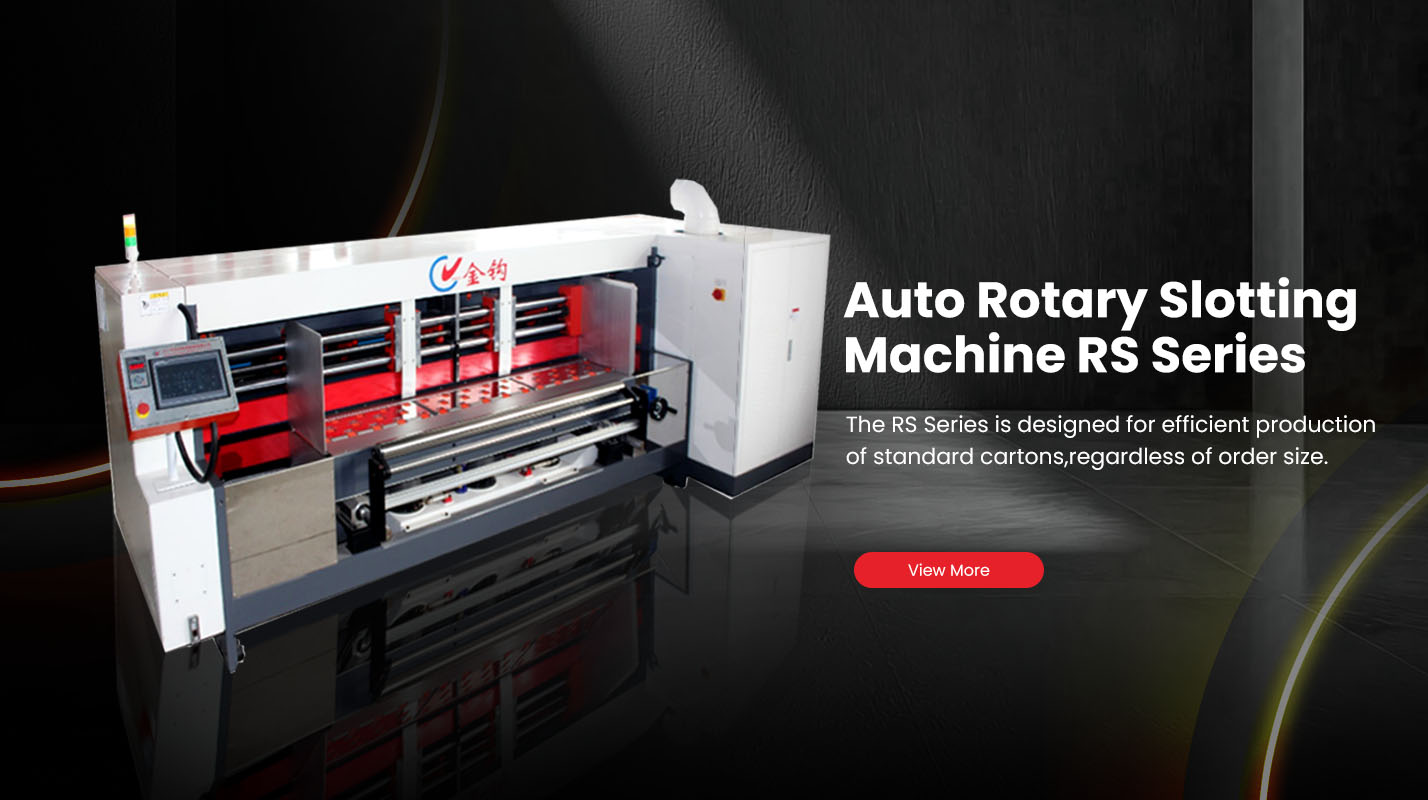
Automatic rotary slotter machines help improve slotting consistency by maintaining stable processing positions during production.
Accurate slotting is especially important for cartons used in transportation, export packaging, and industrial applications.
How Does Equipment Wear Cause Production Defects?
Machine performance can change over time due to component wear.
Worn cutting blades, unstable adjustment parts, or mechanical movement issues may reduce processing accuracy.
Equipment-related defects often include:
Inconsistent cutting results
Increased adjustment requirements
Higher production waste
Unstable carton quality
Regular maintenance helps manufacturers identify worn components before they create larger production problems.
How Do Operator Errors Affect Box Quality?
Operator skills and production management also influence carton quality.
Insufficient training or incorrect operation methods may lead to improper machine adjustments and inconsistent production results.
Common operator-related issues include:
Incorrect parameter settings
Improper material loading
Delayed problem detection
Inconsistent inspection procedures
Proper training helps operators understand equipment functions and maintain stable production conditions.
How Does Poor Production Control Increase Defects?
A weak production control system can allow small problems to become larger quality issues.
Without effective monitoring, defects may continue through multiple production batches before being discovered.
Strong production control includes:
Regular process inspection
Standard operating procedures
Machine performance monitoring
Finished product evaluation
Manufacturers with structured quality systems can identify problems earlier and reduce production losses.
How Can Automation Reduce Corrugated Box Defects?
Automation improves consistency by reducing variations caused by manual operation.
Automated systems help control:
Material feeding accuracy
Cutting precision
Scoring consistency
Slotting alignment
Production speed
By maintaining stable processing conditions, automation helps manufacturers reduce defects and improve production efficiency.
How Can Manufacturers Prevent Corrugated Box Defects?
Preventing defects requires a complete production improvement strategy.
Key methods include:
Selecting stable raw materials
Using accurate box making equipment
Maintaining machines regularly
Training operators effectively
Monitoring production quality continuously
The most effective approach is preventing defects before they occur rather than relying only on final inspection.
Why Is Defect Reduction Important for Box Manufacturers?
Reducing defects improves both production efficiency and customer satisfaction.
Lower defect rates help manufacturers achieve:
Less material waste
Lower production costs
Faster delivery
More stable product quality
For industries requiring reliable packaging, consistent carton performance is an important factor in long-term supply relationships.