




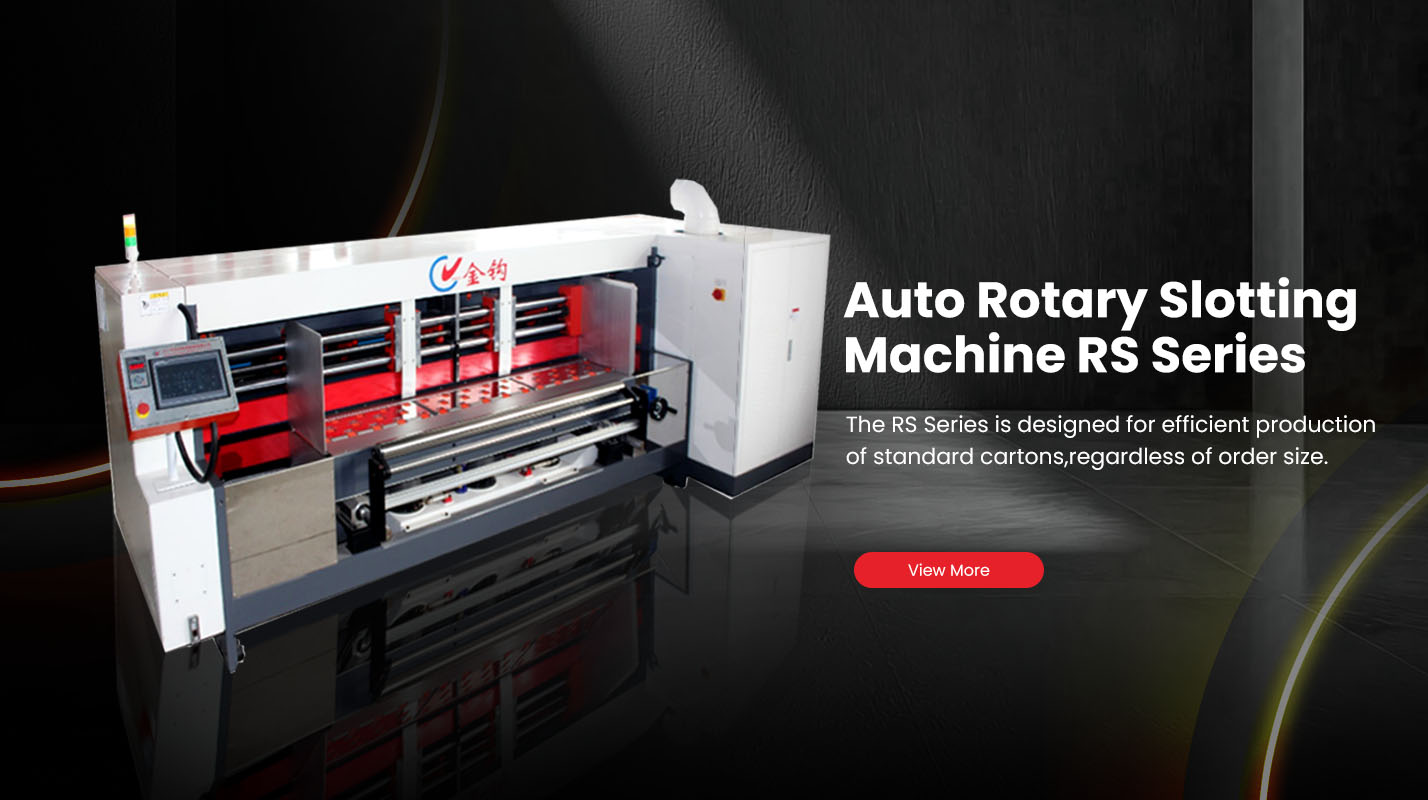
How to Improve Folding Precision in Box Production?
Folding precision in box production can be improved through accurate creasing, stable machine operation, proper material control, automation, and optimized production processes.
Why Is Folding Precision Important in Box Manufacturing?
Folding precision determines the final shape, strength, and appearance of corrugated boxes.
During carton production, accurately folded panels ensure that boxes maintain correct dimensions and assemble properly. Poor folding accuracy can create problems such as uneven edges, incorrect box shapes, and reduced packaging performance.
For manufacturers, maintaining consistent folding precision across thousands of cartons is essential for improving production efficiency and meeting customer requirements.
What Factors Affect Folding Precision in Box Production?
Folding accuracy depends on several interconnected factors.
The main factors include:
Creasing accuracy
Machine adjustment
corrugated board quality
Feeding stability
Production speed
Operator experience
A folding process can only achieve reliable results when every previous production stage provides accurate positioning and consistent material conditions.
How Does Creasing Accuracy Improve Folding Precision?
Creasing is the foundation of accurate carton folding.
Proper crease lines guide corrugated board to fold at the correct positions while maintaining the strength of the material.
Incorrect creasing may cause:
Uneven folding angles
Misaligned carton panels
Cracked folding areas
Difficult box assembly
High-quality creasing ensures that each carton follows the intended structure during forming.
How Does Machine Accuracy Affect Folding Results?
Machine precision directly influences folding consistency.
When feeding, cutting, scoring, and forming systems operate accurately, carton panels align more effectively during folding.
Modern Box Making Machines use precision mechanical structures and automated control systems to maintain stable processing conditions.
Accurate equipment helps manufacturers reduce variations between cartons and improve overall production reliability.
How Does Material Quality Influence Folding Performance?
Corrugated board quality affects how easily and accurately cartons can be folded.
Material factors such as thickness, moisture level, paper strength, and flute structure influence folding behavior.
Poor-quality materials may result in:
Cracking along fold lines
Uneven folding resistance
Weak carton structures
Inconsistent finished boxes
Stable material control allows manufacturers to maintain more predictable folding results.
How Can Machine Adjustment Improve Folding Precision?
Proper machine adjustment is necessary for maintaining accurate folding performance.
Important settings include:
Feeding alignment
Creasing pressure
Folding position
Processing speed
Forming parameters
Small adjustment errors can create large differences during continuous production.
Regular checking and optimization of machine settings help manufacturers maintain stable folding quality.
How Does Automation Improve Folding Accuracy?
Automation reduces variations caused by manual operation.
Automatic systems help coordinate feeding, creasing, and forming processes more precisely, allowing machines to maintain consistent production conditions.
Benefits of automation include:
More accurate carton positioning
Reduced operator errors
Faster production adjustments
Improved repeatability
For high-volume carton production, automated equipment provides important advantages in maintaining folding precision.
How Does Feeding Accuracy Affect Folding Quality?
Accurate material feeding ensures that corrugated sheets enter the forming process in the correct position.
Unstable feeding may cause:
Misaligned folding points
Incorrect carton dimensions
Uneven box shapes
Automatic feeding systems improve material positioning by maintaining consistent movement and reducing manual handling differences.
Stable feeding creates a stronger foundation for precise folding.
How Can Manufacturers Reduce Folding Errors?
Reducing folding errors requires controlling the entire production process.
Effective methods include:
Using precision Box Making Equipment
Maintaining machine components regularly
Monitoring production parameters
Inspecting finished cartons
Training operators properly
A complete production approach helps prevent problems before they affect final carton quality.
How Does Equipment Maintenance Support Folding Precision?
Regular maintenance helps maintain machine accuracy over time.
Mechanical wear can gradually affect feeding alignment, adjustment accuracy, and forming performance.
Maintenance activities should include:
Checking moving components
Inspecting adjustment systems
Replacing worn parts
Verifying machine calibration
Well-maintained equipment provides more stable folding results during long production cycles.
How Does Production Speed Affect Folding Accuracy?
Production speed must be balanced with processing accuracy.
Running equipment beyond suitable operating conditions may increase vibration, reduce adjustment stability, and affect folding results.
Modern machines are designed to maintain accuracy at efficient production speeds through improved mechanical structures and control systems.
Choosing the correct production speed helps manufacturers achieve both efficiency and quality.
What Technologies Help Improve Folding Precision?
Several technologies contribute to better folding accuracy, including:
Digital control systems
Automatic feeding technology
Precision creasing systems
Automated adjustment functions
Intelligent monitoring systems
These technologies work together to improve carton positioning, processing stability, and production consistency.
How Should Manufacturers Choose Equipment for Better Folding Precision?
Selecting suitable equipment requires considering actual production requirements.
Important factors include:
Carton specifications
Required accuracy level
Production volume
Automation requirements
Future expansion plans
The best equipment solution should provide stable folding performance throughout continuous production rather than focusing only on maximum speed.