




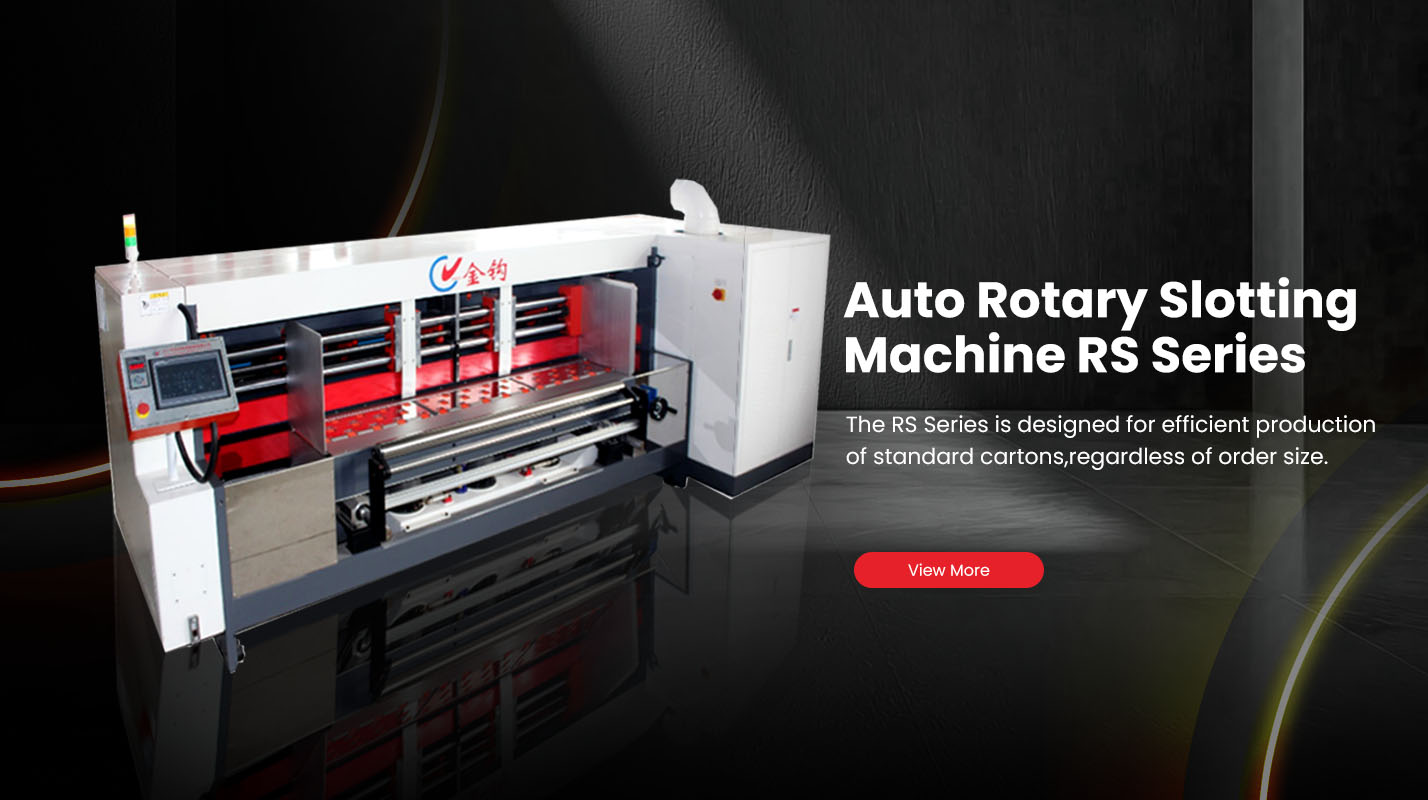
How To Choose Automated Packaging Machinery For Production Line
Automated packaging machinery selection directly affects the efficiency and stability of a production line. It is no longer a simple comparison of speed or price. The key is whether the equipment can match your carton types, order structure, changeover frequency, and long-term production planning. According to PMMI industry data, packaging machinery shipments in North America reached 10.9 billion dollars in 2023, reflecting continuous investment in automation to improve productivity and reduce operational cost. At the same time, the global corrugated packaging market continues to expand, which requires machines that are both stable and adaptable to evolving production needs.
The Short Answer Is Choose Based On Production Fit Not Machine Speed
Many buyers focus on maximum speed, but real production efficiency depends on how well the machine fits daily operations. For production lines handling multiple box sizes or frequent order changes, flexible automated packaging machinery with fast adjustment capability delivers better overall output. For large-volume standardized production, stability, continuous operation, and reduced downtime become more important. Choosing based on actual workflow ensures better long-term performance.
Manufacturer Vs Trader Determines Long Term Stability
The first strategic decision is whether to work with a manufacturer or a trader. A manufacturer controls engineering design, machining precision, assembly, and testing processes. This ensures consistent quality across bulk supply and supports OEM or ODM customization. Traders often rely on multiple factories, which may lead to variation in machine performance and limited control over production details.
JINGOU positions itself as a specialized manufacturer of corrugated carton machinery. It highlights its own研发与生产能力,并强调其在薄刀分纸压线设备和纸箱成型设备方面的持续技术创新。这种制造端优势可以帮助项目在技术沟通、交期控制以及后续服务上更加稳定。
Understand Your Production Line Before Choosing Equipment
Before selecting automated packaging machinery, it is necessary to analyze the production line from several dimensions. These include carton specifications, board thickness range, order batch size, frequency of changeover, and integration with existing equipment. A machine that fits these conditions will improve efficiency far more than one that only offers higher speed on paper.
From a sourcing perspective, buyers are often searching for solutions such as corrugated carton production line machinery or automated packaging machinery for mixed orders. These long tail requirements reflect real production challenges, not just product categories.
OEM And ODM Process In Packaging Machinery Projects
For production line projects, OEM and ODM capability plays a key role. A structured process usually includes requirement confirmation, technical drawing alignment, configuration planning, sample or test verification, and final production. This ensures that the machine fits actual production conditions before delivery.
JINGOU supports customized solutions based on different carton sizes, machine functions, and line integration needs. This makes it suitable for project-based procurement where standard machines cannot fully meet operational requirements.
Manufacturing Process Overview Behind Machine Quality
The manufacturing process determines the reliability of automated packaging machinery. Core steps include frame fabrication, precision machining, component assembly, electrical integration, and system testing. Each stage affects final performance and stability.
JINGOU emphasizes its technical development in thin blade slitting and automated box forming systems. Its equipment specifications indicate support for multiple corrugated board types and stable high-speed operation, which reflects real production capability rather than only theoretical performance.
Quality Control Checkpoints Ensure Stable Output
Quality control should be evaluated across the entire production process. Key checkpoints include raw material inspection, machining accuracy verification, assembly alignment, electrical testing, and full machine trial operation.
Industry manufacturing data shows that structured quality control systems can reduce equipment failure rates by more than 30 percent. For production lines, this directly translates into reduced downtime and more predictable output.
Material Standards Used In Machine Construction
Material selection directly affects machine durability and operating stability. High-strength steel frames, wear-resistant components, and reliable electrical systems contribute to longer service life and lower maintenance frequency.
When comparing automated packaging machinery, it is important to evaluate material standards as part of the decision. Machines built with consistent industrial-grade materials perform more reliably under continuous production conditions.
Bulk Supply Considerations For Production Line Expansion
For projects involving bulk procurement or multi-line expansion, consistency becomes critical. Buyers should evaluate production capacity, delivery stability, spare parts availability, and technical support.
Working with a manufacturer like JINGOU allows better control over repeated orders, ensuring that each batch maintains the same technical standard. This is essential for maintaining consistency across different production lines.
Project Sourcing Checklist Before Final Decision
A structured sourcing checklist helps reduce risk. Key points include machine compatibility with production needs, customization capability, manufacturing strength, quality control process, delivery timeline, and after-sales support.
Evaluating these factors together provides a clearer understanding of total project value rather than focusing only on initial cost.
Export Market Compliance Should Be Verified Early
Export compliance is an important factor for international projects. Machines must meet electrical standards, safety requirements, and certification needs in target markets.
JINGOU indicates that its equipment meets CE certification standards, which supports smoother export processes and reduces compliance risks during installation and operation.
Selecting automated packaging machinery is ultimately about building a stable and efficient production line. When production needs, manufacturing capability, quality control, and compliance are aligned, the equipment becomes a long-term asset rather than a short-term purchase.