




How To Ensure The Reliability Of Packaging Machinery
Packaging machinery reliability is not determined by a single component or a single test. It is the result of coordinated control across design, material selection, machining accuracy, assembly process, and final inspection. In corrugated carton production, machine stability directly affects output consistency and delivery timelines. According to PMMI data, packaging machinery shipments in North America reached 10.9 billion dollars in 2023, showing that manufacturers are increasingly investing in equipment reliability to reduce downtime and improve efficiency.
The Short Answer Is Reliability Comes From Full Process Control
Reliability is not added at the end of production. It is built into every stage. From engineering design to final testing, each step must be aligned with real production needs. For automated packaging machinery, stability depends on correct configuration, proper material selection, and strict quality verification before shipment. Machines that are tested under real working conditions perform more consistently after installation.
Manufacturer Vs Trader Directly Affects Machine Reliability
Choosing a manufacturer instead of a trader has a direct impact on equipment reliability. A manufacturer controls engineering, machining, assembly, and testing, ensuring consistency across every machine delivered. Traders often rely on multiple suppliers, which can lead to variations in quality and configuration.
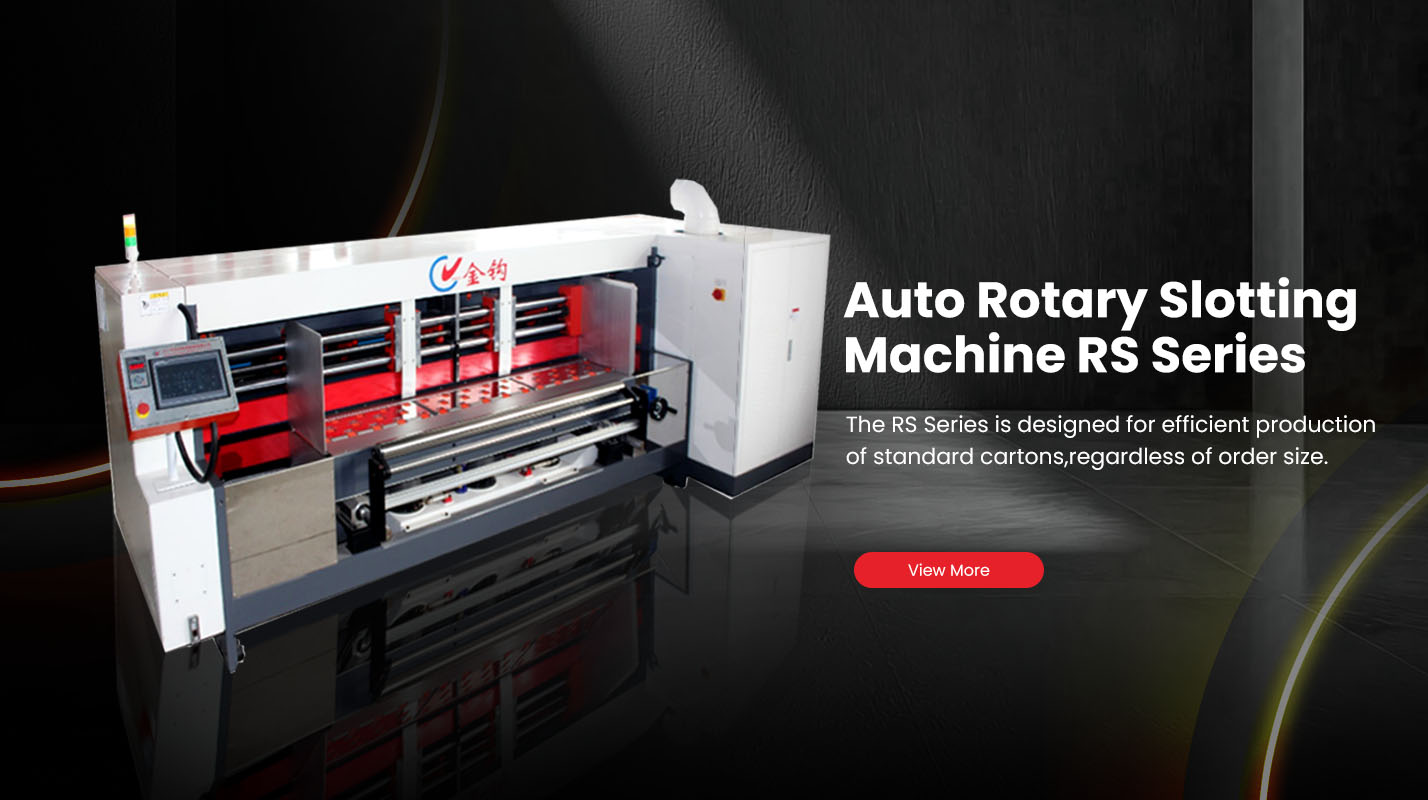
JINGOU operates as a dedicated corrugated carton machinery manufacturer with its own研发与生产能力。其设备开发涵盖薄刀分纸压线技术及纸箱成型设备,能够在设计和制造阶段控制关键质量因素,从而提高设备稳定性。
Manufacturing Process Overview Determines Long Term Stability
The manufacturing process behind packaging machinery is a key factor in reliability. It typically includes frame fabrication, precision machining, component assembly, electrical integration, and system testing. Each stage must meet strict tolerance and alignment requirements.
JINGOU focuses on process-driven manufacturing, ensuring that each machine component fits precisely within the system. This reduces vibration, improves cutting accuracy, and supports stable long-term operation.
Quality Control Checkpoints Reduce Failure Risk
Reliable packaging machinery requires multiple quality control checkpoints. These include raw material inspection, machining accuracy verification, assembly alignment checks, electrical system testing, and full machine trial runs.
Industry manufacturing data indicates that structured quality control systems can reduce equipment failure rates by over 30 percent. For production lines, this leads to reduced downtime and more predictable output.
Material Standards Used In Machine Construction
Material standards play a critical role in machine durability. High-strength steel frames, wear-resistant blades, and stable electrical components contribute to long service life and consistent performance.
Machines built with consistent industrial-grade materials show lower maintenance frequency and better resistance to continuous operation stress. This is essential for packaging production lines that run multiple shifts.
OEM And ODM Process Ensures Machine Fit
For customized projects, OEM and ODM processes help ensure that the machine matches real production requirements. This includes requirement confirmation, technical design alignment, configuration planning, and final testing.
JINGOU supports customization based on carton size, production speed, and line integration needs. This approach improves compatibility with existing production lines and reduces operational issues after installation.
Bulk Supply Consistency Supports Long Term Projects
For large-scale procurement, consistency across multiple machines is critical. Buyers should evaluate whether the supplier can maintain the same production standards, delivery timelines, and technical specifications across bulk orders.
Working with a manufacturer like JINGOU allows better control over repeated production, ensuring that every machine performs consistently within the same production system.
Project Sourcing Checklist For Reliability Evaluation
A structured sourcing checklist helps ensure machine reliability. Key factors include production compatibility, customization capability, manufacturing process control, quality inspection standards, material selection, and after-sales support.
Evaluating these elements together provides a clearer understanding of whether the machine can deliver stable performance in real production conditions.
Export Market Compliance Supports Stable Operation
Export compliance is an important part of reliability for international projects. Machines must meet electrical standards, safety requirements, and certification expectations in target markets.
JINGOU indicates that its equipment meets CE certification standards, which supports smoother export processes and reduces risks during installation and operation.
Reliable packaging machinery is built through controlled manufacturing, strict quality inspection, and proper project alignment. When these factors are handled correctly, the equipment becomes a stable part of the production line rather than a source of operational risk.