




How To Create Service Care Packages for Custom Machinery
Custom machinery support should never begin after installation. The most effective service care packages are planned from the start of the project, because long-term machine value depends on uptime, spare parts readiness, operator training, response speed, and technical consistency. This is especially important in packaging equipment, where output stability directly affects delivery performance and production cost. According to PMMI, U.S. packaging machinery shipments grew 5.8 percent in 2023 to 10.9 billion dollars, which shows how strongly manufacturers continue to invest in packaging systems that improve efficiency and reliability.
A strong service care package starts with the right supplier model. The difference between manufacturer vs trader is critical in custom machinery projects. A trader may coordinate communication, but a direct manufacturer can usually respond faster on machine structure, electrical configuration, material selection, software logic, and maintenance planning. When service is needed, that technical access becomes a real advantage. JINGOU presents itself as a high-tech enterprise focused on corrugated carton machines for small quantity orders, and its website states that it introduced the world’s first automatic thin slitter scorer machine in 2009. It also highlights patents and CE certifications for its CK25 box maker platform. That manufacturer-led position is important because good after-sales support depends on engineering familiarity with the machine itself.
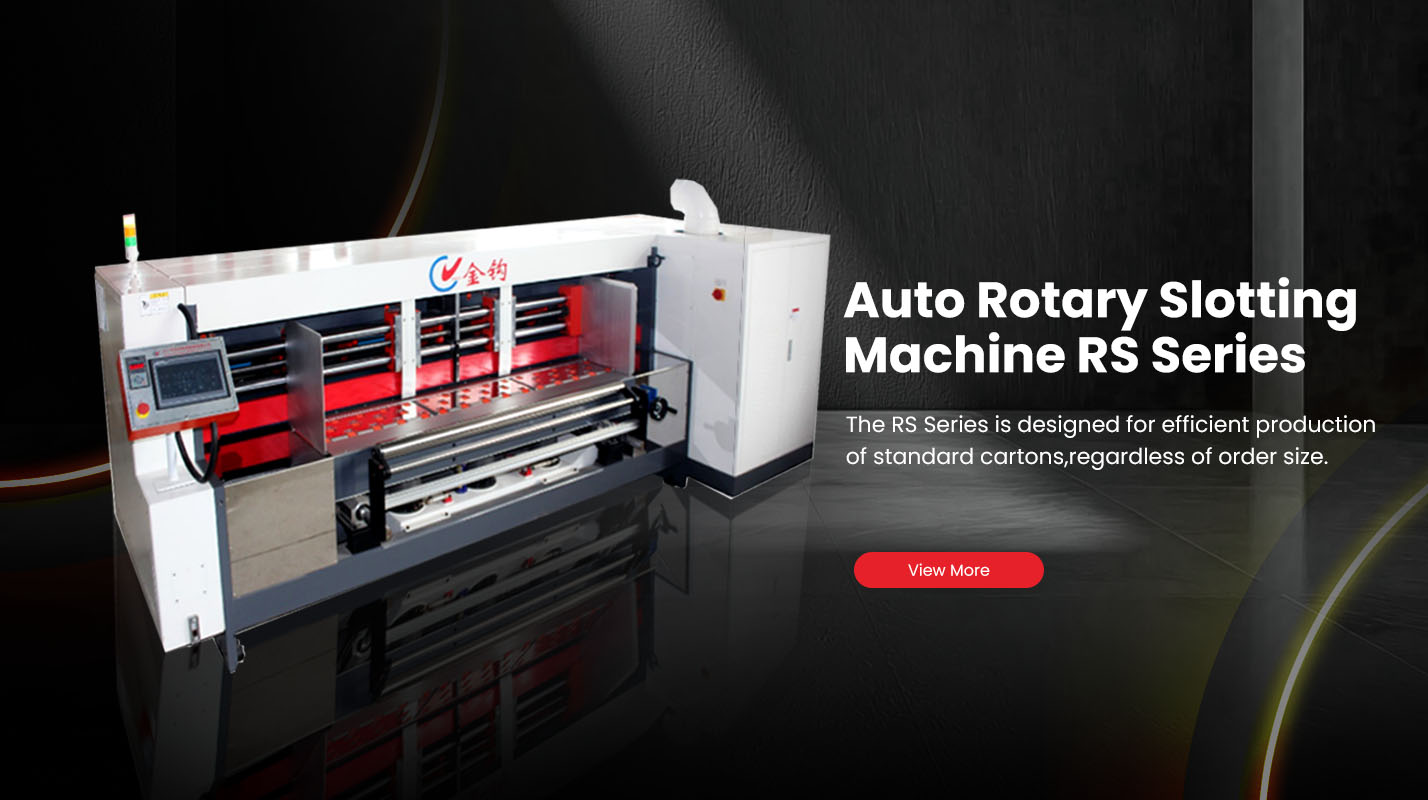
For custom machinery, the best service care packages should be connected to the OEM and ODM process. Support should begin with application analysis, product dimensions, board type, production target, and plant layout. It should continue through machine configuration, drawing confirmation, assembly, testing, operator guidance, and maintenance planning. In other words, service should be built into the machine project, not added as a separate promise after shipment. JINGOU describes its custom Box Making Machine as automated equipment developed for integrated custom manufacturing of multi-size and multi-style cartons through cutting, creasing, and slotting. That kind of flexible machine design usually requires equally flexible technical support, including spare parts planning, setup assistance, and process guidance.
A practical service package should include several layers. The first is installation and commissioning support, which helps the machine reach stable operation faster. The second is operator training, because well-trained users reduce wear, setup errors, and avoidable downtime. The third is preventive maintenance, which should define inspection intervals for mechanical parts, electrical systems, blades, belts, sensors, and control units. The fourth is spare parts coverage, especially for components with predictable replacement cycles. The fifth is remote troubleshooting and response commitment, since many packaging factories cannot afford long stoppages in production periods.
Bulk supply considerations should also shape the service package. If a factory plans repeated equipment purchases or multiple line expansions, the supplier should be able to maintain the same service standard over time. That means consistent technical documentation, stable component sourcing, standardized maintenance recommendations, and support for future upgrades. A good partner should not only ship one machine successfully, but also help the user manage performance across repeated projects. In custom packaging machinery, service continuity is often more valuable than a lower initial price because downtime costs accumulate much faster than most buyers expect.
A project sourcing checklist is useful when defining what a service care package should include. Buyers should confirm machine specifications, voltage, board range, output expectations, operator skill level, maintenance frequency, spare parts list, response timing, and warranty scope before placing the order. They should also ask for a manufacturing process overview, because service quality is connected to how the machine is built. If a supplier cannot explain raw material inspection, machining accuracy, assembly checks, electrical testing, trial running, and final inspection, long-term support is unlikely to be strong.
Quality control checkpoints are another key part of service planning. A reliable supplier should be able to identify which parts require routine inspection, what performance indicators should be tracked, and how fault prevention can be built into daily operation. Material standards used in the machine also affect service life. Structural rigidity, wear resistance, and electrical reliability all influence maintenance cost and replacement frequency. IEC 60204-1 is widely referenced for the electrical equipment of machines and focuses on safety of persons and property, consistency of control response, and ease of operation and maintenance. That makes it highly relevant when service packages are being developed for custom industrial equipment.
Export market compliance should also be part of the service discussion, especially for custom machinery shipped internationally. According to the European Commission, technical documentation is necessary to demonstrate that a product meets applicable requirements and to support the EU declaration of conformity. The declaration of conformity is a mandatory legal document that the manufacturer signs to declare compliance with EU rules. This means a service care package for export markets should include documentation support, electrical safety review, and assistance with compliance records, not only replacement parts and maintenance advice.
JINGOU’s advantage in this area comes from being a direct machinery manufacturer with experience in corrugated carton equipment, patented development, and CE-certified products. For custom machinery, the most effective service care package is one that combines technical access, preventive maintenance, spare parts planning, operator training, quality checkpoint guidance, and compliance support. That kind of structure helps protect machine performance over the long term and turns after-sales service into a real part of production efficiency.