




How To Create Service Packages For Custom Machinery
Custom machinery performs best when service planning starts before the machine leaves the factory. A service package should not be treated as an afterthought or a simple warranty note. It should be built around uptime, spare parts readiness, operator training, process stability, and long-term production support. This matters even more in packaging machinery, where one small failure can interrupt the whole line. Industry data also shows why buyers are paying more attention to this area. PMMI reported that U.S. packaging machinery shipments grew 5.8 percent in 2023 and reached 10.9 billion dollars, reflecting continued investment in packaging efficiency and operational stability.
A useful service package begins with choosing the right supplier model. The gap between manufacturer vs trader becomes clear once technical issues appear. A trader may help with quotations and basic communication, but a direct manufacturer can usually respond faster on machine structure, electrical layout, material choice, testing records, and replacement parts planning. For custom machinery, this difference matters because support often requires access to the original engineering logic. JINGOU presents itself as a high-tech enterprise focused on corrugated carton machinery for small quantity orders. Its website states that it introduced the world’s first automatic thin slitter scorer machine in 2009 and that its CK25 box maker platform has earned patents and CE certifications. That manufacturer-based position gives buyers a more direct service path from project review to after-sales response.
The best way to create service packages for custom machinery is to connect service to the OEM and ODM process from the beginning. A serious project should start with product analysis, board type review, production target confirmation, and factory layout discussion. From there, the supplier should move into machine configuration, drawing confirmation, assembly, testing, training, and shipment preparation. This approach makes service part of the machine project rather than a separate promise added later. JINGOU’s slitter scorer machine page shows this technical direction clearly. The machine is described as using PLC plus HMI control, having good structural strength, and being suitable for 3-ply and 5-ply corrugated cardboard. Those details matter because a real service package must be based on the actual machine structure and production application.
A practical service package usually includes five parts. The first is installation and commissioning support, which helps the machine reach stable operation faster. The second is operator training, because many stoppages come from incorrect setup rather than component failure. The third is preventive maintenance planning, which should define inspection cycles for blades, belts, motors, sensors, and control systems. The fourth is spare parts coverage, especially for wear parts and critical electrical items. The fifth is troubleshooting response, including remote guidance and clear escalation steps. Without these five areas, a service package often looks complete on paper but gives limited value during real production.
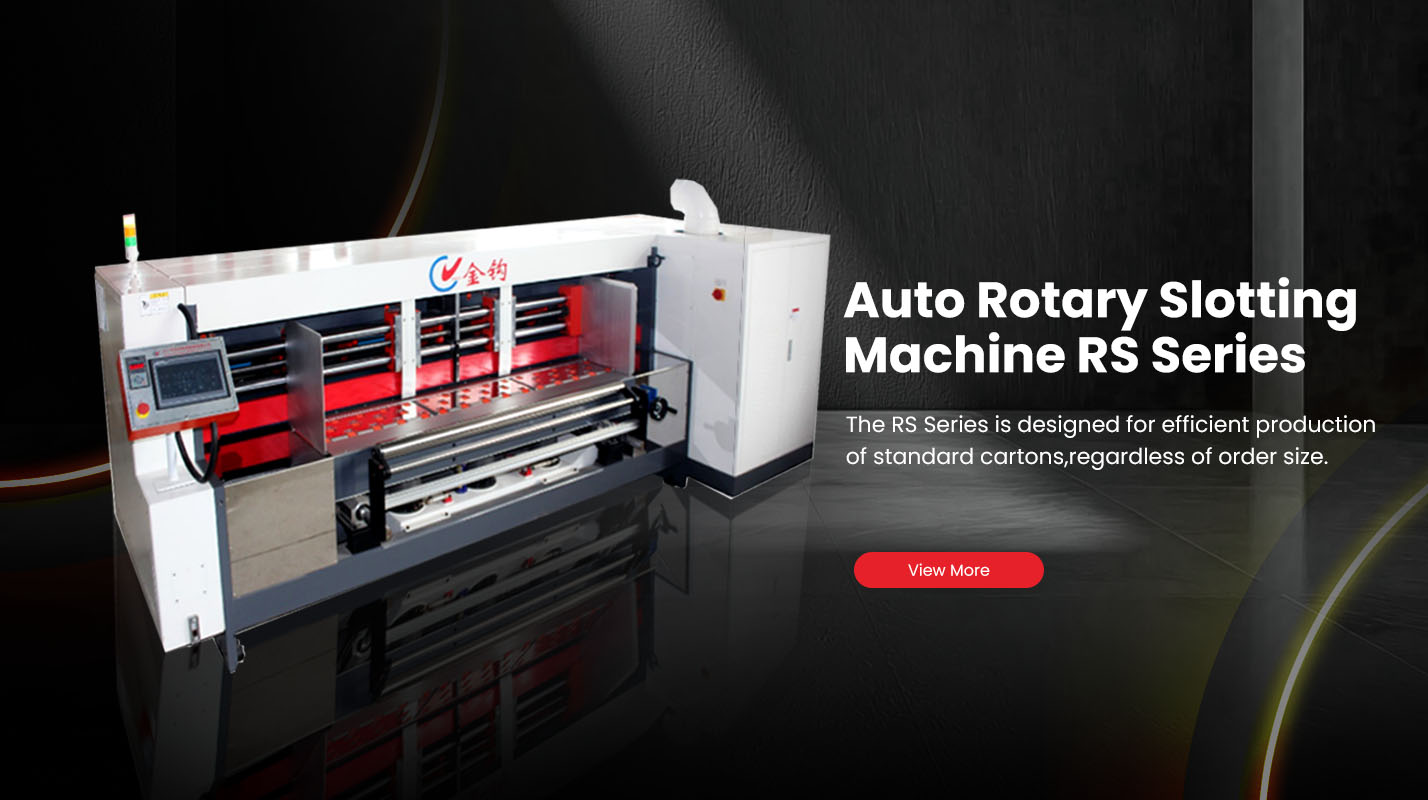
Bulk supply considerations should also shape service planning. When a buyer expects repeated purchases, multi-line deployment, or phased expansion, the service package must support more than one delivery. It should include standardized technical files, repeatable spare parts lists, and consistent maintenance instructions across projects. This is especially important in custom machinery, where future orders may share the same operating logic but vary in size or output. JINGOU’s product information on its rotary slotting and creasing machine describes it as advanced equipment that integrates slotting and creasing in one system for precise corrugated box production. That kind of integrated equipment usually needs service support that can scale with production growth instead of relying on case-by-case fixes.
A strong project sourcing checklist helps define what should be inside the service package. Buyers should review machine specifications, voltage standards, board range, output targets, operator skill requirements, maintenance intervals, spare parts lists, and response times before placing the order. They should also check whether the supplier can explain the manufacturing process overview clearly. A supplier that can describe raw material inspection, machining accuracy control, frame assembly, electrical testing, trial running, and final inspection is far more likely to provide structured after-sales support. In contrast, a supplier that only discusses price and delivery will usually struggle once technical service is needed.
Quality control checkpoints are another core part of a service package. Support becomes more effective when the supplier can identify which parts need routine inspection, which signals show early wear, and which parameters should be checked during daily operation. For packaging machinery, this may include blade condition, scoring accuracy, alignment stability, control response, and electrical reliability. Material standards used in the machine also affect service cost over time. Strong structural materials improve rigidity, suitable wear materials reduce replacement frequency, and stable electrical components lower the risk of sudden downtime. IEC 60204-1 is widely referenced for the electrical equipment of machines and aims to support safety of persons and property, consistency of control response, and ease of operation and maintenance. These are exactly the points that a good custom machinery service package should protect.
Export market compliance should also be built into service planning. For machinery sold into Europe, CE marking is not only a label issue. The European Commission states that the manufacturer is responsible for ensuring that the product meets all applicable EU requirements, gathering evidence of compliance, preparing technical documentation, and drafting and signing the EU declaration of conformity. This means a real service package for export projects should include document support, technical record retention, and compliance communication, especially when upgrades or modifications are requested later.
A simple way to structure service packages is shown below.
Service Item | Main Purpose | Why It Matters
Installation support | Stable startup | Reduces early operating errors
Operator training | Correct daily use | Lowers avoidable downtime
Preventive maintenance | Planned inspection | Extends machine life
Spare parts package | Fast replacement | Protects production continuity
Remote troubleshooting | Quick response | Shortens stoppage time
Compliance documentation support | Export readiness | Helps with international delivery
JINGOU’s strength in this discussion comes from its direct manufacturer role, technical focus on corrugated carton machinery, patented development, and CE-certified equipment. For buyers evaluating how to create service packages for custom machinery, the strongest model is one that links engineering support, preventive maintenance, spare parts planning, quality checkpoints, and export compliance into one complete framework. A service package built this way does more than protect the machine. It protects production rhythm, delivery reliability, and long-term operating value.