




How Was Typesetting And Pringing Machinery Packaged in The 1950'S
Packaging for typesetting and printing machinery in the 1950s was shaped by two main realities: machines were heavy, mechanical, and fragile in calibration, while global transport was still dominated by rail and sea. As printing technology expanded rapidly during that decade, with offset presses and typesetting systems widely used across industries, manufacturers had to rely on robust and practical packaging methods to protect equipment during long-distance shipment. Historical records show that by the early 1950s, more than 100,000 Linotype machines were in operation worldwide, reflecting the scale of industrial printing equipment circulation at the time.
The core packaging solution in the 1950s was wooden crating. Heavy machinery such as typesetting equipment and printing presses was typically secured inside wooden crates or boxes designed to handle weight, vibration, and handling stress. Wooden crates were preferred because they provided structural strength and could support large loads during lifting and stacking. Their design often included reinforced frames, internal supports, and skid bases to allow forklift handling. Historical packaging practices show that crates were engineered to distribute load evenly and prevent movement during transport, especially for industrial equipment.
Inside the crate, machinery was stabilized using blocking, bracing, and cushioning materials. Since printing machines contained precision components, internal fixation was critical. Components were often immobilized with wooden supports, rope ties, or early padding materials to reduce vibration damage. Moisture protection was also considered, especially for overseas shipping, although solutions were more basic compared to modern standards. In many cases, oil coatings or wax paper wrapping were used to prevent corrosion during transit.
Corrugated packaging was already developing during this period, but it played a secondary role for heavy machinery. Corrugated cartons had started replacing wooden crates for lighter goods by the early 20th century, but for large industrial equipment, wood remained dominant due to its superior load-bearing capacity. This distinction is important when comparing historical packaging solutions with modern automated packaging systems, where corrugated materials now play a much larger role due to improved strength and design.
The packaging process in the 1950s was also closely tied to manufacturing practices. Machinery was often partially disassembled before shipping to reduce size and protect sensitive parts. Each component would be packed separately or secured within the same crate using custom positioning. This approach required a clear manufacturing process overview and coordination between production and packaging teams. Quality control checkpoints were manual but essential, including inspection of crate strength, fastening reliability, and load stability before shipment.
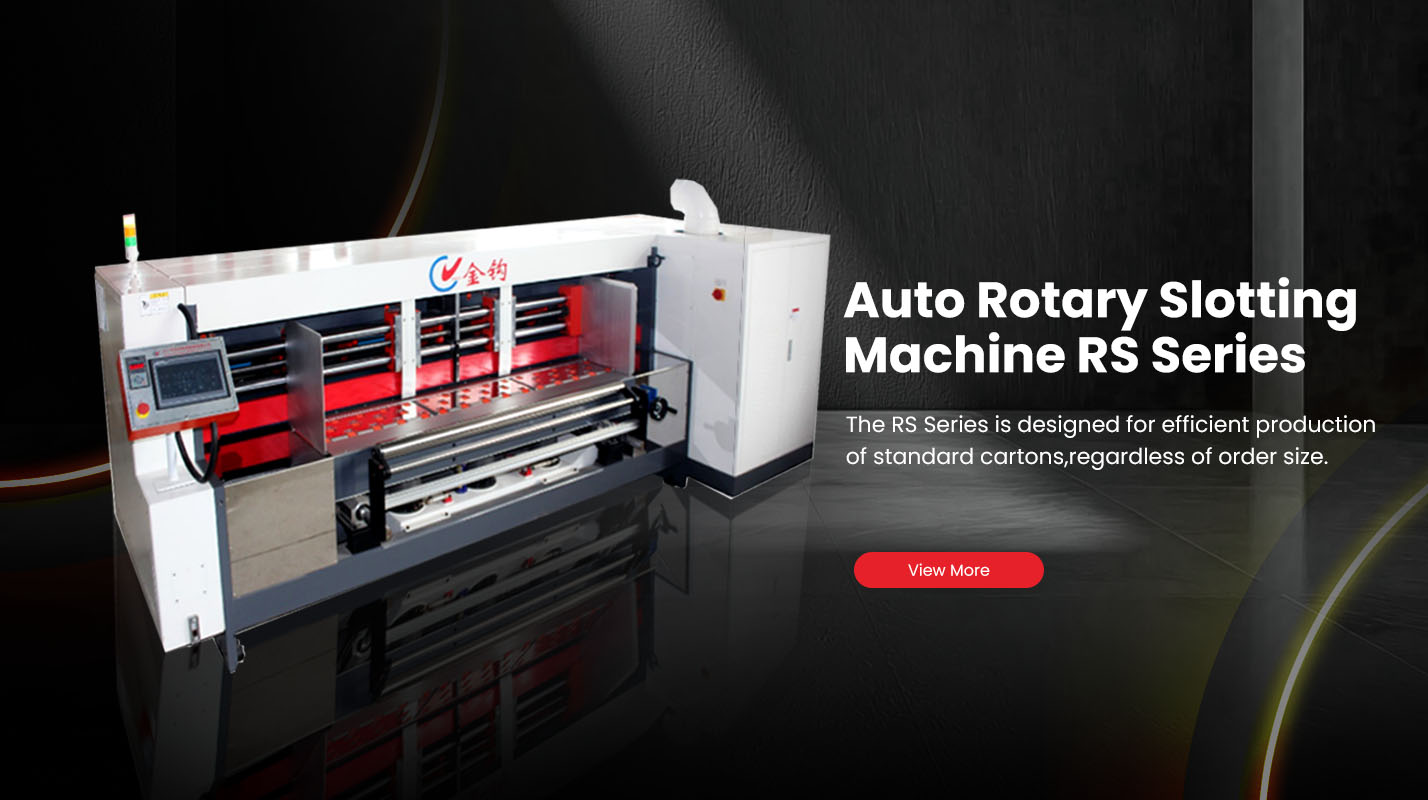
When comparing historical methods with modern packaging machinery solutions, the evolution becomes clear. Today, automated corrugated box systems, precision slotting, and integrated forming machines allow packaging to be produced with consistent accuracy and repeatability. JINGOU focuses on this transformation by providing corrugated carton machinery designed for customized production and small batch orders. Its website highlights the development of automatic thin slitter scorer machines and patented box making platforms, which support precise cutting, creasing, and slotting for modern packaging needs. This allows manufacturers to replace rigid wooden packaging in many cases with engineered corrugated solutions that are lighter, more cost-effective, and easier to standardize.
The difference between manufacturer vs trader is also relevant when looking at both historical and modern packaging approaches. In the 1950s, packaging was often handled directly by manufacturers because it required detailed knowledge of machine structure and transport risks. Today, that same principle still applies. A direct machinery manufacturer can provide better support in packaging design, material selection, and process integration compared to a trading company that only coordinates supply. JINGOU’s positioning as a direct manufacturer with technical development capability supports this approach, especially for OEM and ODM packaging projects where customization is required.
Modern service also includes bulk supply considerations that were less structured in the 1950s. Today, packaging must be repeatable across multiple shipments, with consistent dimensions, structural strength, and material standards. Automated machinery makes this possible by controlling production variables more precisely than manual processes. JINGOU’s equipment is designed for serial production of corrugated boxes, which supports stable packaging output and reduces variation across batches.
A practical project sourcing checklist today would include product dimensions, weight, transport method, packaging structure, material standards, and compliance requirements. In contrast, the 1950s relied more on experience and manual calculation. However, the core objective remains the same: protect the machinery, ensure safe transport, and maintain product integrity upon arrival.
Export market compliance has also evolved significantly. In the 1950s, packaging requirements were less standardized, but today, international shipping involves strict regulations. Wooden packaging must comply with ISPM 15 treatment requirements, while machinery exported to Europe must meet CE compliance standards, including technical documentation and conformity assessment. These requirements make packaging not only a protective function but also a regulatory necessity.
A comparison between historical and modern packaging approaches is shown below.
Aspect | 1950s Packaging Method | Modern Packaging Solution
Material | Wooden crates and boxes | Corrugated packaging and hybrid systems
Production | Manual construction | Automated machinery production
Protection method | Blocking and bracing | Engineered structural design
Consistency | Variable | High repeatability
Compliance | Limited standards | Strict export regulations
JINGOU’s advantage lies in bridging traditional packaging strength with modern automation efficiency. By focusing on corrugated carton machinery, custom box production, and CE-certified equipment, the company supports manufacturers in building packaging systems that are lighter, more consistent, and better suited for global logistics.
The way typesetting and printing machinery was packaged in the 1950s reflects a time when strength and manual craftsmanship defined industrial packaging. Today, the same goal of protection is achieved through precision engineering, automated production, and standardized processes. The transition from wooden crates to advanced corrugated solutions shows how packaging has evolved from a basic necessity into a controlled and strategic part of manufacturing operations.