




How To Upgrade Packaging Machinery
Knowing when to upgrade packaging machinery is less about machine age and more about performance loss, rising maintenance cost, and weaker response to market demand. A packaging line may still run every day, but if it causes frequent stoppages, unstable accuracy, slow changeovers, or rising labor dependence, the real cost is already increasing. That is one reason packaging investment remains active. PMMI reported that U.S. packaging machinery shipments grew 5.8 percent in 2023 to 10.9 billion dollars, showing that manufacturers continue to invest in higher efficiency and stronger production stability.
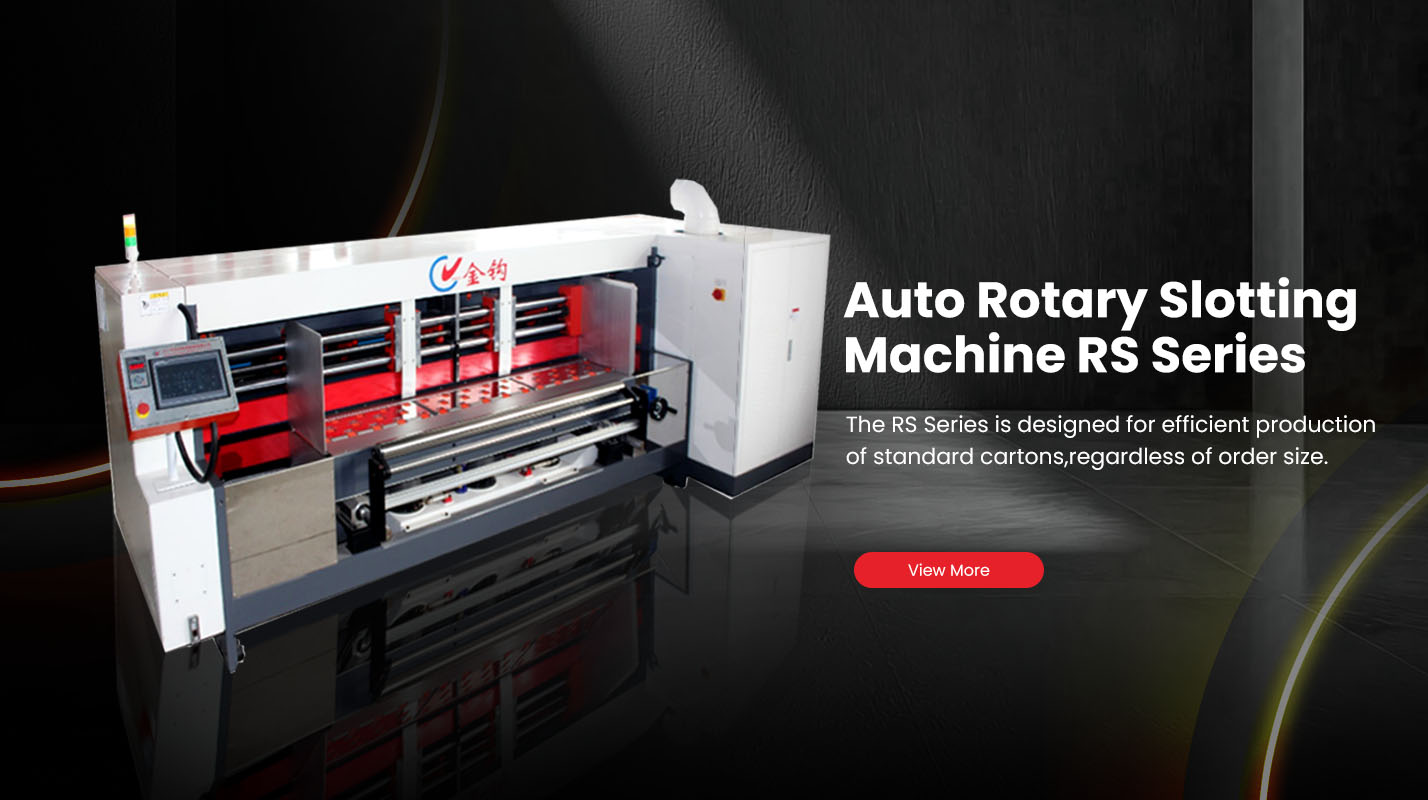
A clear sign that it is time to upgrade appears when output demand changes faster than the current machine can respond. This is common in factories handling more carton sizes, more short-run orders, and tighter delivery cycles than before. Older equipment often performs well in a narrow range, but once order diversity increases, setup time, material waste, and operator pressure rise quickly. JINGOU positions itself as a direct manufacturer of corrugated carton machinery for small and diversified orders, and its official site highlights equipment aimed at customized carton production for sectors such as furniture, lighting, auto parts, household appliances, and bathroom and kitchen hardware. That focus is especially relevant for factories moving from standard runs to flexible manufacturing.
The choice between manufacturer vs trader also affects upgrade decisions. A trader may help compare options, but a direct manufacturer can usually evaluate the real production gap more accurately. That includes machine structure, control system logic, material standards, future spare parts support, and how well the upgraded line can fit existing production flow. When the project involves OEM and ODM work, this becomes even more important. A useful upgrade is not only a replacement machine. It is a better-matched machine that fits carton style, board thickness, output target, plant layout, and the future product mix.
A strong OEM and ODM process should therefore start before the quotation stage. The supplier should review current production issues, define the size range and board requirements, assess changeover frequency, and identify which steps create downtime. Only after that should the machine configuration be finalized. This is where a project sourcing checklist becomes practical. Buyers should review current waste rate, unplanned downtime, labor intensity, shift output, changeover time, spare parts consumption, and export requirements. If several of these indicators have worsened, the line is already signaling the need for an upgrade.
The manufacturing process overview of the supplier matters as well. An upgraded machine only creates long-term value when the build quality is stable. Buyers should check how raw materials are inspected, how machining accuracy is controlled, how assembly is verified, and how electrical systems are tested. Quality control checkpoints should be visible from frame fabrication to final trial running. If the supplier cannot explain these checkpoints clearly, the upgrade may solve one problem while creating another.
Material standards used in the upgraded equipment are another important factor. Stronger structure improves running stability. Better wear resistance reduces maintenance frequency. More dependable electrical components reduce sudden stoppages. This is why electrical safety and maintenance standards should be reviewed during the upgrade process. IEC 60204-1 applies to electrical, electronic, and programmable electronic equipment and systems of machines not portable by hand while working. Guidance on the standard highlights safety of persons and property, consistency of control response, and ease of operation and maintenance. These points are directly connected to upgrade value because a modern machine should be easier to run, safer to inspect, and more stable in long production cycles.
Bulk supply considerations also help determine upgrade timing. If repeated orders are increasing but the current packaging line cannot keep carton quality consistent across batches, the factory may begin losing efficiency even before a full breakdown happens. In this case, upgrading is not only about speed. It is about consistency, spare parts availability, and the ability to support long-term supply programs. A direct manufacturer is usually better positioned to support this kind of transition because the technical team can align the new machine with both current demand and future expansion.
Export market compliance should never be left to the end of the decision. For machinery entering Europe, technical documentation is necessary to prove that the product meets applicable requirements and to support the EU declaration of conformity. The manufacturer is responsible for ensuring compliance and affixing the CE marking where required. For buyers serving export markets, this means an upgrade should improve not only production efficiency but also documentation readiness and market access.
JINGOU’s value in this discussion comes from its direct manufacturer role and its focus on flexible corrugated carton machinery. For factories dealing with diverse orders and higher efficiency pressure, the right time to upgrade packaging machinery is when the current line still runs, but no longer supports stable growth, accurate output, or efficient changeover. At that point, upgrading stops being a cost question and becomes a production strategy decision.