




How To Choose The Right Automated Food Packaging Equipment
Many buyers use the terms packaging equipment and packaging machine interchangeably, but in manufacturing they do not always mean the same thing. A packaging machine usually refers to one specific unit that performs a defined task, such as slitting, scoring, slotting, forming, or sealing. Packaging equipment is a broader concept. It can include the main machine, auxiliary units, control systems, feeding sections, conveying parts, and the full operating setup around the core machine. This distinction matters because factories are no longer buying only one isolated function. They are investing in packaging systems that improve output, consistency, and flexibility. PMMI reported that U.S. packaging machinery shipments grew 5.8 percent in 2023 and reached 10.9 billion dollars, showing continued investment in packaging automation and integrated production solutions.
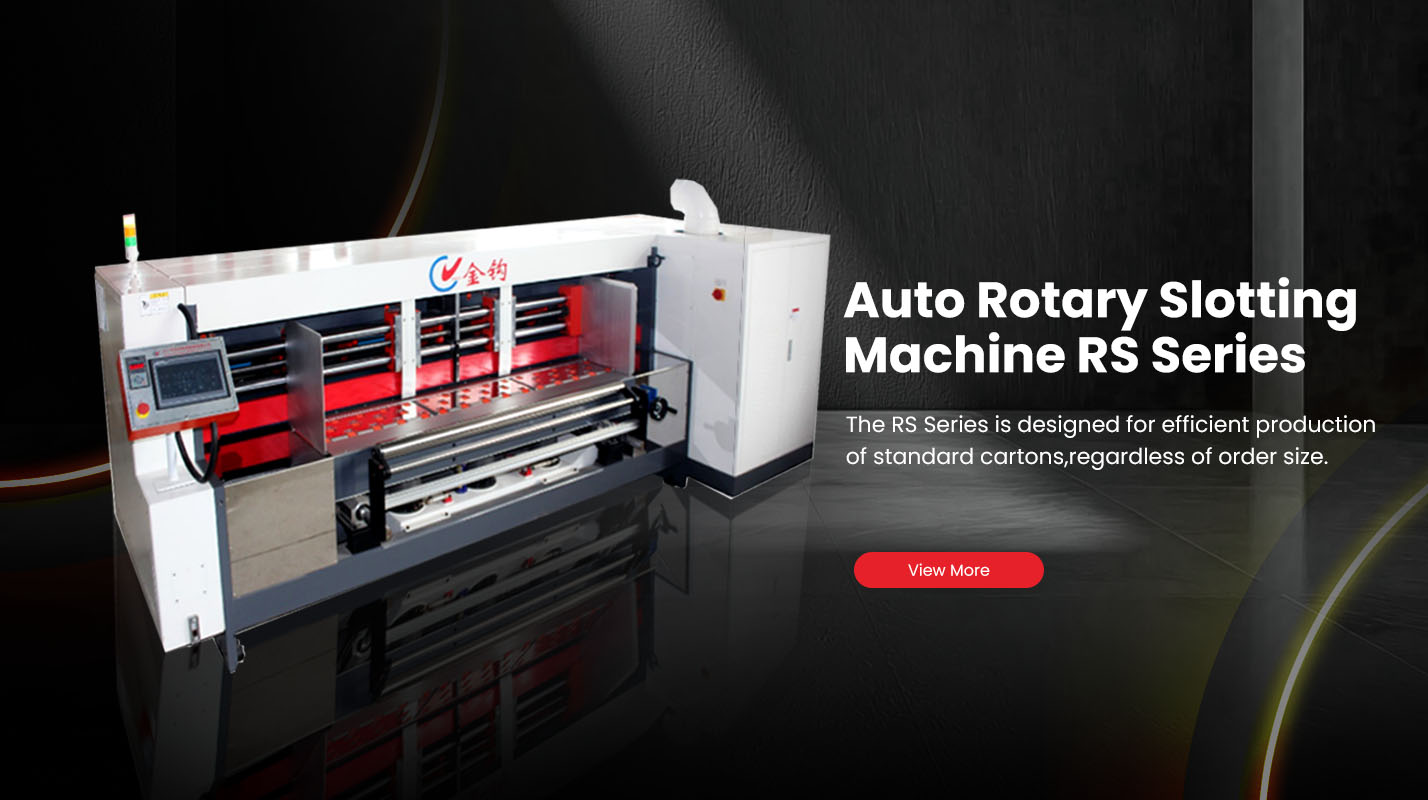
In corrugated carton production, the difference becomes easier to see. A thin blade slitter scorer is a packaging machine because it handles one main processing step. A cardboard box forming machine is also a packaging machine because it converts processed board into formed cartons. When those machines are combined with feeding, handling, control, and support sections, they become packaging equipment in the wider sense. JINGOU’s own product range reflects this structure. Its website presents slitter scorer machines, cardboard box forming machines, and rotary slotting and creasing machines as different functional units within a broader corrugated packaging process.
This is why the choice between manufacturer vs trader matters so much. A trader may quote several models, but a direct manufacturer can usually explain whether the project needs one packaging machine or a more complete packaging equipment solution. That affects line layout, electrical planning, spare parts, production rhythm, and future upgrades. JINGOU positions itself as a direct manufacturer focused on corrugated carton machinery for small quantity and customized orders, and its website highlights patented development and CE-certified equipment. That gives buyers a better path for discussing technical details instead of comparing only catalog descriptions. Under EU rules, the manufacturer is responsible for ensuring that a product meets applicable requirements and for affixing the CE marking when required, which makes direct factory capability even more valuable for export projects.
The OEM and ODM process also depends on understanding this difference. If a factory only needs one packaging machine, customization may focus on width, speed, board range, or control settings. If the project involves broader packaging equipment, the supplier must also review workflow integration, operator needs, plant layout, and future expansion. A sound project sourcing checklist should therefore include carton size range, board thickness, target output, changeover frequency, voltage requirements, and after-sales support. In other words, the more the project moves from one machine toward a full equipment system, the more important engineering coordination becomes. JINGOU’s manufacturer-based model is helpful here because its machinery is developed around real corrugated packaging applications rather than generic resale.
A reliable supplier should also be able to explain the manufacturing process overview behind the machine or equipment package. That includes raw material inspection, machining accuracy, frame assembly, electrical testing, trial running, and final inspection. Quality control checkpoints matter because packaging accuracy depends on mechanical stability and electrical consistency over time. Material standards used in the machine frame, wear parts, and control system directly affect rigidity, service life, and maintenance frequency. IEC 60204-1 is one of the key references for machinery electrical equipment, and it is closely tied to safe operation, consistent control response, and easier maintenance. For buyers comparing packaging machine options with broader packaging equipment systems, these details often matter more than headline speed alone.
The distinction also becomes important in food and export-oriented projects. The FDA explains that food contact substances include food packaging and its components, as well as processing equipment and preparation surfaces that come into contact with food. That means when packaging equipment is used in food-related production, buyers must think beyond machine function and also consider material suitability, hygiene expectations, and compliance coordination. On the export side, EU guidance states that technical documentation must demonstrate that the product complies with all applicable requirements and supports the declaration of conformity. That is why packaging equipment projects usually involve a wider compliance review than the purchase of one simple packaging machine.
A simple comparison makes the terminology clearer.
| Term | Main Meaning | Typical Focus |
|---|---|---|
| Packaging machine | One unit with one primary task | Slitting, scoring, forming, sealing |
| Packaging equipment | A broader production setup | Machine plus auxiliary and control sections |
| OEM and ODM scope | Narrower on one machine | Wider on workflow and system integration |
| Bulk supply value | Single function performance | Whole line stability and long-term support |
| Export compliance review | Product level | System and documentation level |
So what is the differences between packaging equipment and packaging machine? The real difference is scope. A packaging machine is one functional unit. Packaging equipment is the wider system built around one or more machines to support a complete production process. For buyers evaluating corrugated packaging solutions, that distinction helps clarify sourcing strategy, OEM and ODM planning, bulk supply decisions, quality control priorities, and export compliance preparation. JINGOU’s focus on corrugated carton machinery, patented development, and direct manufacturing support makes it especially suitable for projects that need more than a single machine and instead require a packaging solution built around real factory demands.