




What Is The Differences Between Packaging Equipment And Packaging Machine
Many buyers use packaging equipment and packaging machine as if they mean the same thing, but in manufacturing they are not always identical. A packaging machine usually refers to one specific machine that performs a defined task such as slitting, scoring, slotting, or box forming. Packaging equipment is a broader term. It can include a single machine, multiple linked machines, auxiliary units, control systems, feeding devices, and even the full end-of-line setup. This difference matters because factories rarely buy packaging capacity as one isolated action. They usually buy a packaging process that must match output targets, product variation, and future expansion. PMMI reported that U.S. packaging machinery shipments grew 5.8 percent in 2023 to 10.9 billion dollars, showing how strongly manufacturers continue to invest in packaging systems rather than only in standalone units.
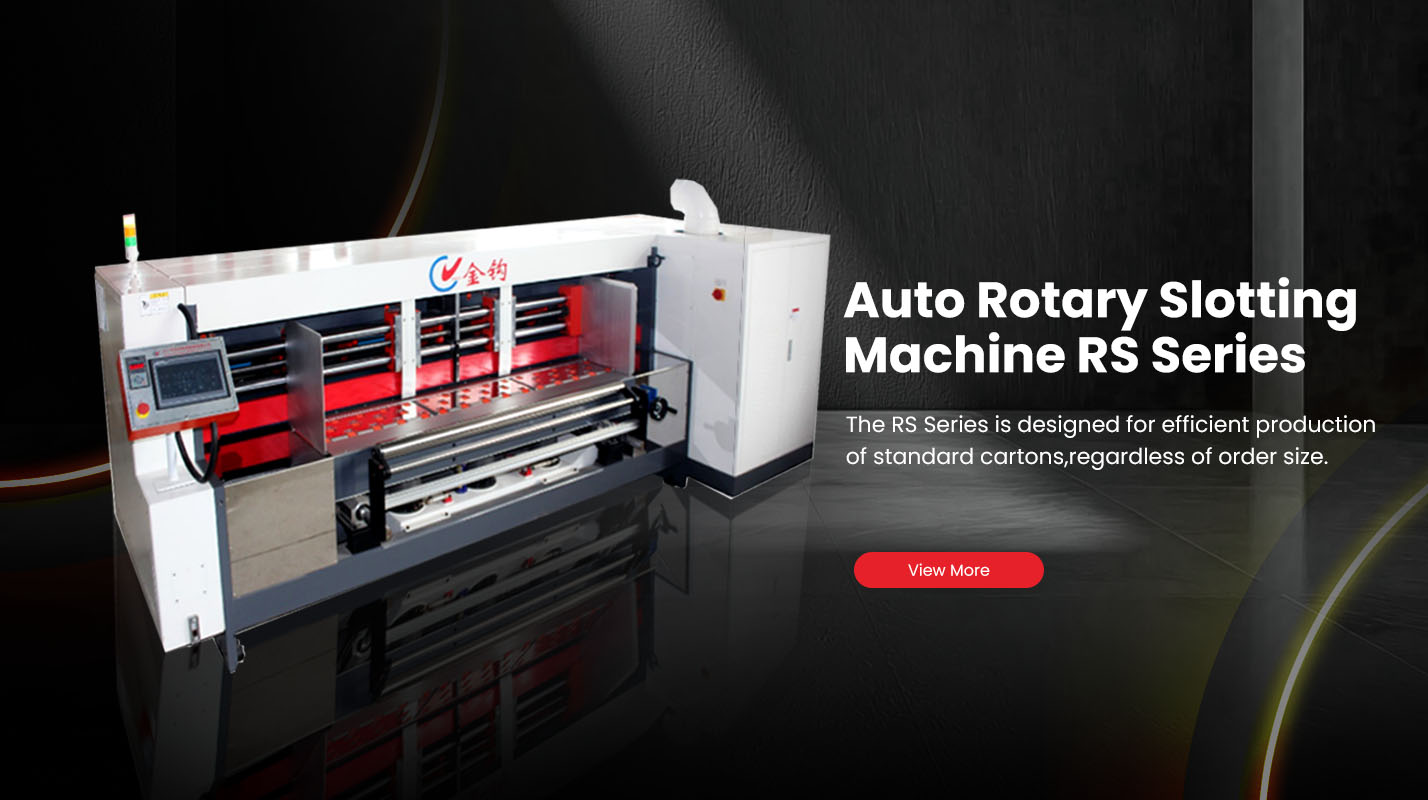
In simple terms, a packaging machine is one unit inside a wider packaging equipment system. For corrugated production, a thin blade slitter scorer is a packaging machine because it handles one core conversion step. A cardboard box forming machine is also a packaging machine because it turns processed board into cartons. When these machines are connected with feeders, handling systems, controls, and support units, they become packaging equipment in the broader sense. JINGOU’s product range shows this distinction clearly. Its slitter scorer machine is described as an automatic machine for cutting, scoring, and trimming corrugated cardboard, while its carton box making machine is described as semi-automatic equipment for converting corrugated sheets into customized cartons.
This difference becomes more important when comparing manufacturer vs trader. A trader may quote either term without much distinction, but a direct manufacturer can usually explain whether the project needs one packaging machine or a larger packaging equipment solution. That affects budgeting, layout planning, electrical design, spare parts, and line integration. JINGOU presents itself as a high-tech enterprise focused on innovative corrugated carton machines for small quantity orders, and it says its factory introduced the world’s first automatic thin slitter scorer machine in 2009. The company also states that its CK25 box maker machine has earned patents and CE certifications. That manufacturer-based positioning is useful because buyers often need technical guidance on whether they should source one machine or a more complete equipment system.
The OEM and ODM process also depends on this distinction. If a factory only needs one packaging machine, customization may focus on width, speed, board range, or control settings. If the project involves broader packaging equipment, the supplier must also review layout flow, upstream and downstream compatibility, operator needs, and long-term scaling. A strong OEM and ODM process should begin with carton style analysis, board thickness review, output planning, and plant layout confirmation before the final configuration is locked. This is why a project sourcing checklist should include machine function, equipment scope, integration needs, voltage standards, changeover frequency, and expected order mix.
Bulk supply considerations make the difference even clearer. A single machine may solve one bottleneck, but a wider equipment system is usually needed when the goal is stable repeated output across large orders. Buyers should therefore check whether the supplier can support spare parts, maintenance planning, and technical consistency across the whole setup. A direct manufacturer is generally better positioned to do this because the manufacturing process overview, quality control checkpoints, and material standards used are easier to verify at the source.
Those checkpoints matter because packaging performance depends on more than catalog language. Reliable suppliers should explain raw material inspection, machining accuracy, structural assembly, electrical testing, trial operation, and final inspection. Material standards used in the machine frame, wear parts, and electrical system affect rigidity, service life, and uptime. In practical terms, a packaging machine is the core working unit, while packaging equipment is the wider production solution built around that unit.
Export market compliance should also be reviewed from this perspective. For machinery sold into Europe, CE-related obligations apply to the manufacturer, including conformity assessment and technical documentation. That means buyers should ask whether they are purchasing one machine with a clear compliance scope or a broader equipment package that requires wider technical review. JINGOU’s emphasis on CE-certified equipment is therefore meaningful for export-oriented projects.
A simple comparison makes the terminology easier to use.
Term | Main Meaning | Typical Example
Packaging machine | One unit with one main packaging function | Slitter scorer or box forming machine
Packaging equipment | Broader system including machines and support units | Complete corrugated box production setup
Buying focus | Function-specific | Process-wide
Customization level | Machine parameters | Workflow and system integration
Sourcing priority | Single task performance | Overall production efficiency
So, what is the differences between packaging equipment and packaging machine? The difference is scope. A packaging machine is one functional unit. Packaging equipment is the larger manufacturing solution that may include several machines and supporting systems. For buyers evaluating corrugated production, this distinction helps clarify sourcing logic, OEM and ODM decisions, bulk supply planning, and export compliance review. JINGOU’s direct manufacturer background and focus on corrugated carton machinery make it especially relevant for projects where buyers need not only one machine, but a packaging solution built for real production demands.