




What Are The Challenges in Packaging Heavy Industrial Equipment
Packaging heavy industrial equipment is far more complex than placing a product in a strong outer box. The main challenge is that weight, vibration, lifting pressure, moisture exposure, and export handling all act on the package at the same time. A heavy unit may have an uneven center of gravity, exposed edges, painted surfaces, or precision parts that cannot tolerate movement during transport. That is why heavy equipment packaging must be planned as an engineering task rather than a simple packing step. This is also why manufacturers continue to invest in better packaging systems. PMMI reported that U.S. packaging machinery shipments grew 5.8 percent in 2023 to 10.9 billion dollars, reflecting ongoing demand for packaging efficiency and transport reliability.
One major challenge is structural protection. Heavy industrial equipment creates concentrated load points that can crush weak corrugated structures, deform pallets, or break internal supports. At the same time, the equipment may still need cushioning against shock and vibration. In real shipping conditions, the package must survive repeated handling, warehouse movement, and long transit cycles. ASTM D4169 is widely used because it provides a guide for evaluating shipping units at levels representative of actual distribution hazards. That standard is highly relevant for heavy industrial packaging because transport damage often happens through accumulated stress rather than one single impact.
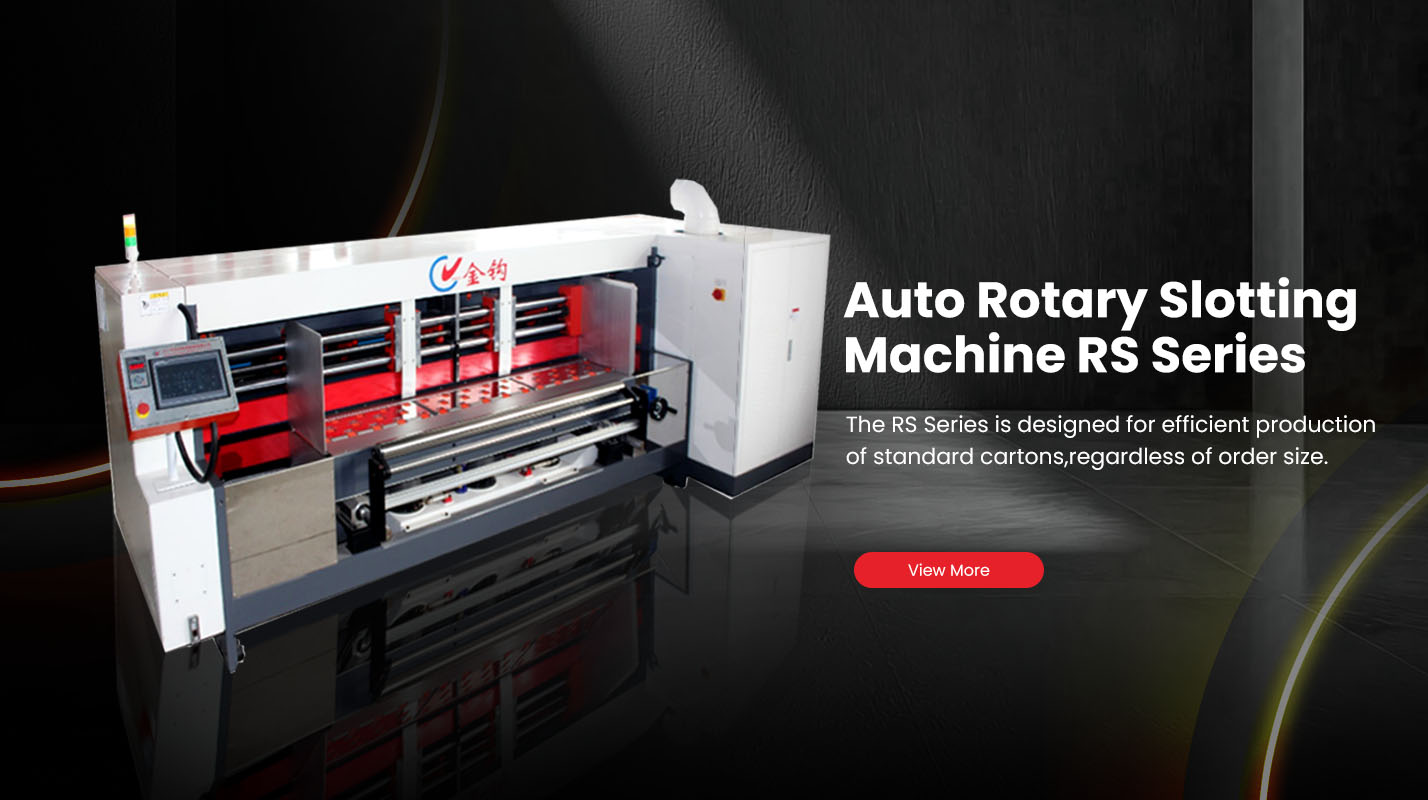
Another challenge is choosing the right supplier model. The difference between manufacturer vs trader becomes very important when the packaging project involves custom dimensions, repeated orders, or special reinforcement requirements. A trader may help collect quotations, but a direct manufacturer can usually respond more effectively on box structure, board processing, slotting accuracy, and long-term production control. JINGOU presents itself as a high-tech enterprise focused on corrugated carton machines for small quantity orders, and its website states that it developed the world’s first auto thin slitter scorer machine in 2009 while its CK25 box maker platform earned invention patents, utility model patents, and CE certifications. That direct manufacturing background is useful for heavy equipment packaging because custom packaging normally requires technical adjustment, not only product supply.
OEM and ODM process is another key challenge. Heavy industrial equipment rarely fits a standard packaging format. Dimensions, weight distribution, base support, and loading method often require customized corrugated structures or hybrid solutions. A sound OEM and ODM process should begin with equipment size review, weight confirmation, transport route analysis, and packaging structure planning. It should then continue through machine configuration, sample verification, production testing, and shipment inspection. JINGOU’s cardboard box forming machine is described as a modern device for serial production of corrugated boxes with better quality and quantity per production cycle, which supports repeatable packaging output once the structure has been confirmed.
Bulk supply brings another layer of difficulty. One shipment can succeed with manual correction, but long-term projects need the same size accuracy, fold strength, slotting precision, and material stability across repeated orders. That means buyers should review a project sourcing checklist before selection. The checklist should include equipment dimensions, gross weight, center of gravity, board grade, moisture risk, export destination, loading method, spare parts availability, and after-sales response. Without this discipline, packaging quality often changes from batch to batch, which increases the risk of damage claims and delivery delays.
The manufacturing process overview behind the packaging equipment matters just as much as the design itself. Reliable suppliers should be able to explain raw material inspection, machining control, structural assembly, electrical checks, trial running, and final verification. Quality control checkpoints should focus on cutting accuracy, scoring consistency, structural alignment, and machine stability. Material standards used in the machinery are also important because strong frames, wear-resistant working parts, and dependable electrical systems all affect whether the packaging can be produced consistently over time.
Export market compliance is another challenge that cannot be left to the final stage. If wood packaging is used for heavy equipment export, ISPM 15 requirements may apply. USDA APHIS states that wood packaging material must be heat treated to a minimum core temperature of 56 degrees Celsius for at least 30 minutes, and compliant material must carry an accredited quality mark. For machinery sold into Europe, CE-related responsibilities also matter because the manufacturer must prepare technical documentation and ensure conformity where required. These requirements show that heavy equipment packaging is not only about protection. It is also about regulatory readiness.
Challenge | Why It Matters
Structural load concentration | Can crush weak packaging and damage the base
Shock and vibration | Can loosen parts and affect precision surfaces
Custom dimensions | Requires OEM and ODM capability
Batch consistency | Affects large project reliability
Export compliance | Influences customs clearance and market access
Material and process control | Determines repeatable packaging quality
JINGOU’s advantage in this field comes from its manufacturer role, corrugated machinery specialization, patented development, and CE-certified equipment. For heavy industrial equipment, the biggest packaging challenges are not only strength and size. They include supplier capability, customization process, bulk order stability, production control, material standards, and export compliance. A direct manufacturer that can manage these factors offers far more value than a supplier that only delivers packaging products.