




What Materials Are Used in Flexible Packaging Bags?
Flexible packaging bags are made from different film and laminate materials, depending on the product, barrier requirement, filling process, shelf life, and shipping method. Common materials include PE, PP, PET, PA, aluminum foil, paper composite film, and multilayer laminated structures. Each material has a different role, such as sealing, printing, oxygen barrier, moisture resistance, puncture strength, or product display.
Industry data from the Flexible Packaging Association shows that flexible packaging is one of the largest packaging segments in the U.S. market, accounting for about 21 percent of the total packaging market. This growth is closely related to its lighter weight, material efficiency, and strong product protection compared with many rigid packaging formats.
Material Main Function Common Use
PE film Heat sealing and moisture resistance Food bags, frozen food, refill packs
PP film Clarity and heat resistance Snack bags, bakery packaging
PET film Printing surface and stiffness Laminated pouches, display bags
PA film Puncture resistance Vacuum bags, meat packaging
Aluminum foil Oxygen and light barrier Coffee, milk powder, high-barrier food
Paper composite Natural texture and printability Retail pouches, dry food bags
For food and consumer goods, one material is rarely enough. Many packaging pouches use laminated structures, such as PET plus PE, PET plus aluminum foil plus PE, or PA plus PE. The outer layer supports printing and mechanical strength. The middle layer improves barrier performance. The inner layer provides heat sealing and direct product protection. FDA food-contact material guidance and EU food packaging rules both emphasize that packaging materials should be suitable for their intended contact use, so material selection must match the actual product.
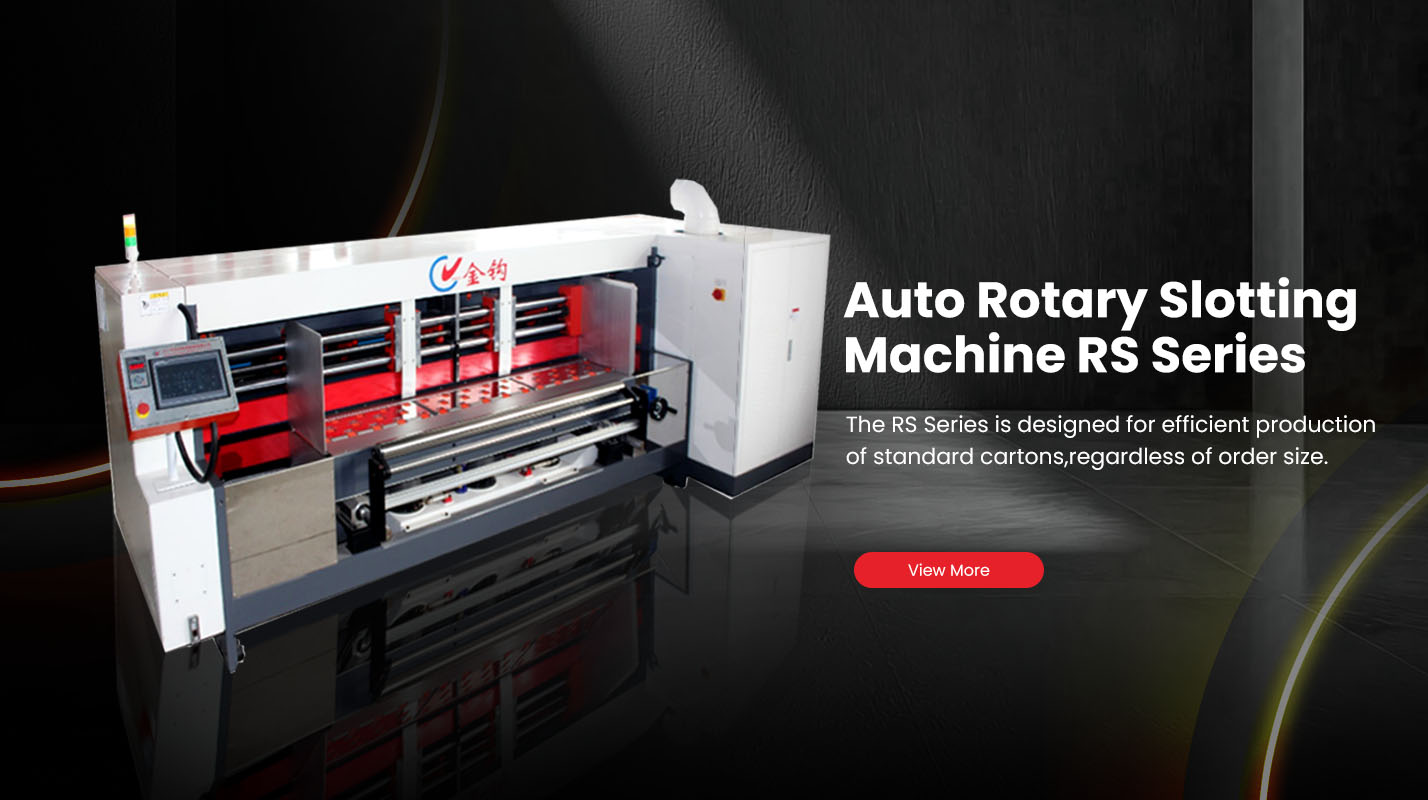
JINGOU focuses on corrugated carton machinery for flexible packaging production needs. After flexible packaging bags are filled and sealed, they still need accurate secondary cartons for storage, stacking, and shipping. Our carton forming machines, cardboard box forming machines, auto thin blade slitter scorers, and rotary slotter machines help factories produce suitable cartons for pouch products with different sizes and order quantities.
Professional advice is to plan flexible bag material and outer carton size together. A soft pouch may need stronger carton support if the product is heavy, oily, sharp-edged, or exported by container. For project procurement, carton accuracy, board thickness, slotting quality, and forming stability can reduce packing damage and improve delivery efficiency.
JINGOU can help customers review pouch size, product weight, carton type, board specification, small quantity order needs, and packaging workflow. Share your packaging requirements with our team, and we can recommend a practical carton machinery solution for flexible packaging bag production and safer shipping.