




What Is The Difference Between Plastic Pouches And Paper Bags?
Plastic pouches and paper bags are both common flexible packaging formats, but they serve different packaging needs. Plastic pouches are usually made from PE, PP, PET, PA, aluminum foil composite film, or laminated structures. Paper bags are made from kraft paper, coated paper, or paper-based composite materials. The main difference is barrier performance, strength, sealing method, moisture resistance, printing effect, and outer carton protection needs.
Plastic pouches are widely used for food, snacks, pet food, coffee, powder, liquid refill products, and daily goods because they can provide stronger moisture resistance and better heat-sealing performance. Industry data from the Flexible Packaging Association shows that flexible packaging accounts for about 21 percent of the U.S. packaging market, which reflects its wide use in modern product distribution. For products that need oxygen barrier, grease resistance, leakage control, or longer shelf life, laminated plastic pouches are often more practical.
Paper bags are often selected for dry products, bakery goods, retail packaging, light consumer goods, and brands that want a natural packaging appearance. Kraft paper gives a clean and recyclable image, and it can support attractive printing. However, standard paper bags are less resistant to water, oil, puncture, and long-distance compression unless they are coated or combined with plastic film.
Packaging Type Main Advantage Common Limitation
Plastic pouch Strong sealing and moisture protection Recycling depends on material structure
Paper bag Natural appearance and easy printing Lower moisture and grease resistance
Laminated pouch Better barrier and longer product protection More complex material structure
Coated paper bag Better surface protection than plain paper Still needs careful carton support
For factories, the choice should not only focus on bag material. Product weight, filling method, sealing temperature, shelf life, storage humidity, stacking pressure, carton size, and export route should all be reviewed. A light paper bag may need stronger outer cartons to prevent deformation. A plastic pouch with liquid or powder may need accurate carton sizing to avoid squeezing, leakage, or seal stress during shipping.
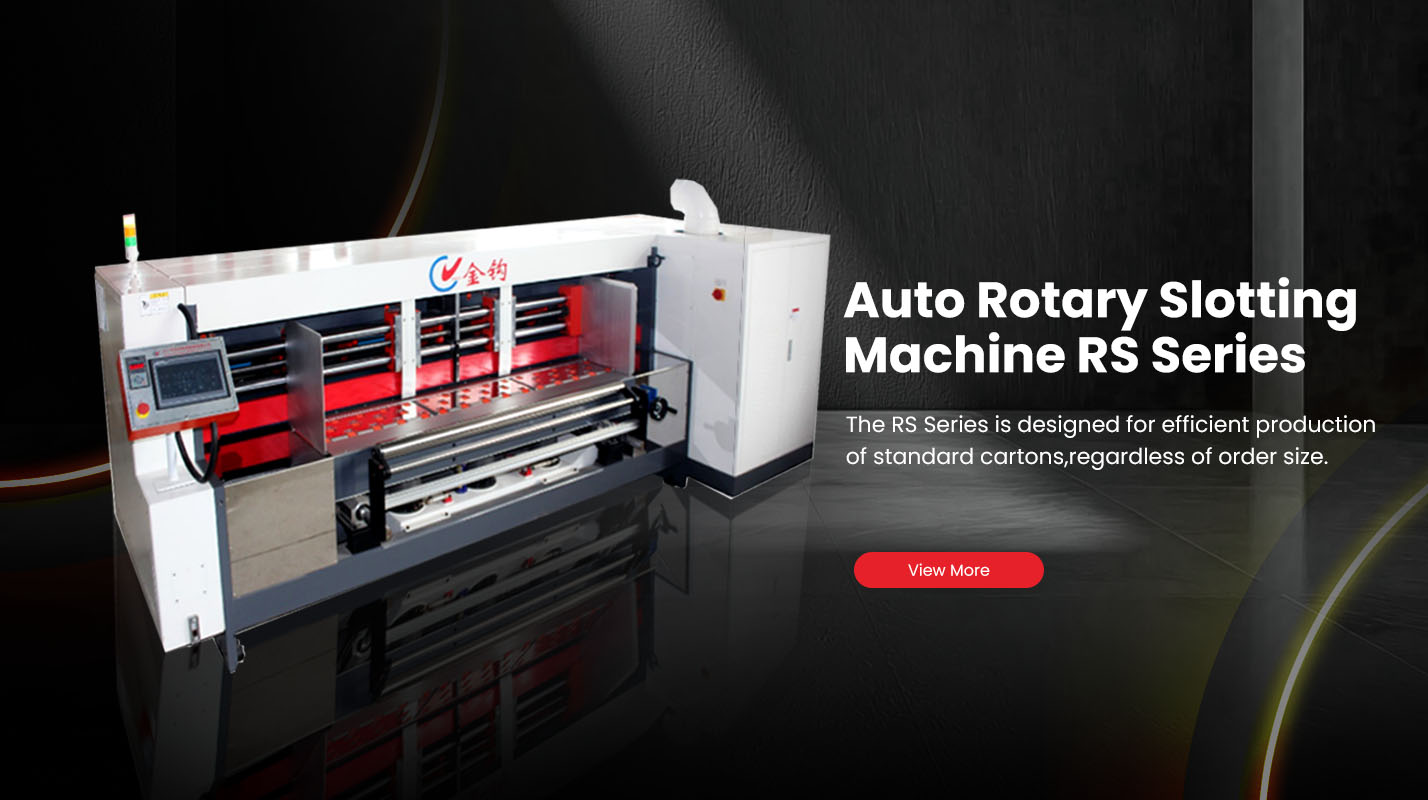
JINGOU focuses on corrugated carton machinery for flexible packaging production and secondary packaging needs. Our carton forming machines, cardboard box forming machines, auto thin blade slitter scorers, and rotary slotter machines help factories produce accurate cartons for plastic pouches, paper bags, retail packs, and export packaging. This supports better carton consistency, faster size changeover, and more stable small quantity order production.
Professional advice is to match the inner package with the outer carton from the early design stage. JINGOU can help customers review pouch size, paper bag structure, product weight, board thickness, slotting requirements, and carton workflow. Share your packaging size, order volume, board specification, and production process with our team, and we can recommend a practical carton machinery solution for safer packaging and smoother delivery.