




What Are The Best Automated Packaging Machinery Solutions for Manufacturing
The best automated packaging machinery solutions are not always defined by maximum speed or scale. In real manufacturing environments, performance depends on how well the equipment matches carton variability, order frequency, labor structure, and delivery pressure. Packaging automation continues to expand because it directly addresses efficiency and consistency. PMMI reported that U.S. packaging machinery shipments reached 10.9 billion dollars in 2023 with 5.8 percent growth, reflecting ongoing investment in automated packaging systems across manufacturing sectors.
For corrugated carton production, the most effective solution is often a flexible system that integrates cutting, scoring, slotting, and forming into a controlled workflow. JINGOU focuses on this type of equipment, especially for small batch and customized orders. According to its published information, the company developed an auto thin slitter scorer machine and continues to improve machinery for custom corrugated box production. This direction aligns with current manufacturing trends where shorter runs and diverse carton sizes require machines that can switch quickly without reducing output stability.
The difference between choosing a manufacturer or a trader becomes more visible as the project develops. A trader may provide product selection and initial coordination, but a machinery manufacturer can respond more directly to technical requirements, including structural design, control systems, material selection, and production testing. This matters when machine configuration must be adjusted to fit real packaging conditions. JINGOU positions itself as a direct manufacturer with technical development capability and CE-certified equipment, which supports more efficient communication and better control over project execution.
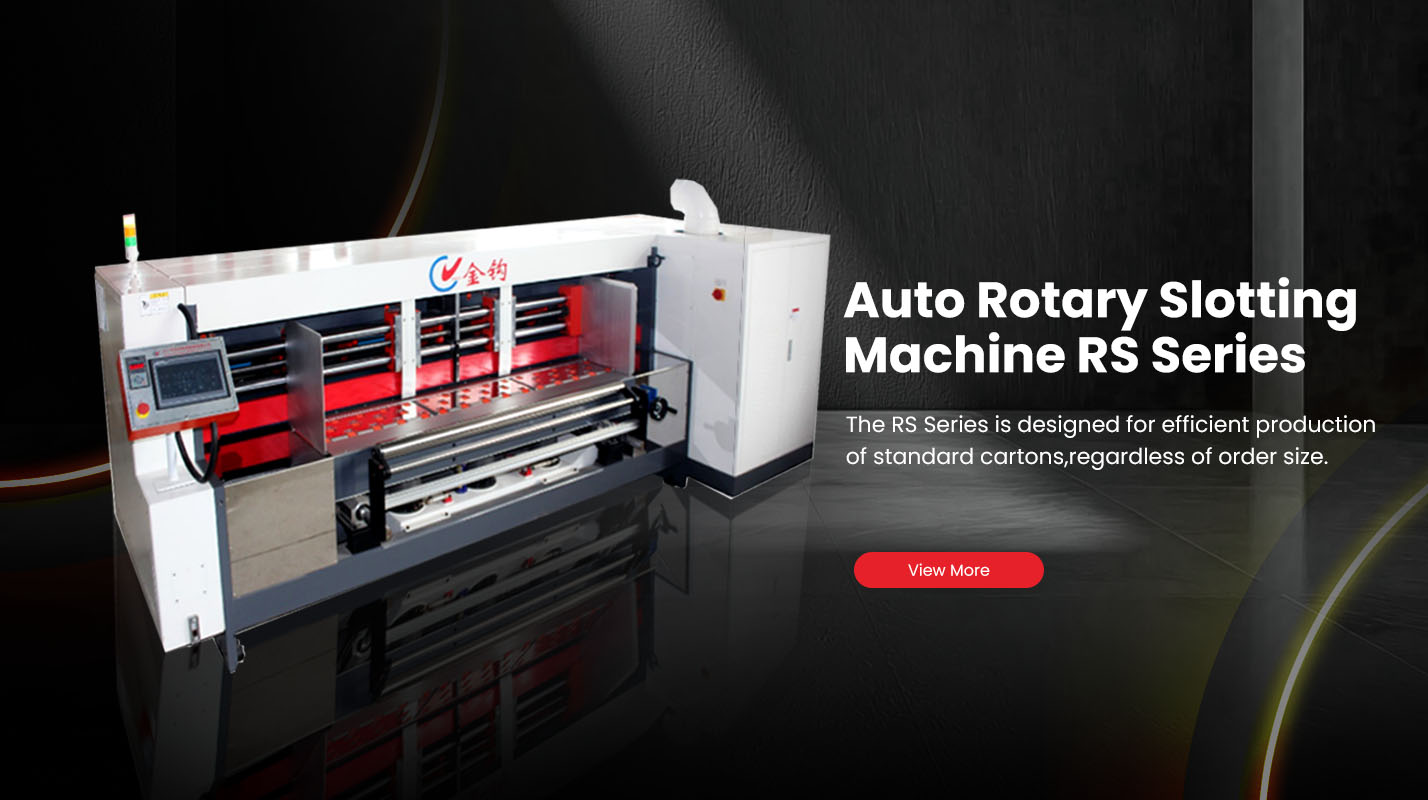
Different automated packaging machinery solutions serve different production goals. An auto thin blade slitter scorer is essential when precision cutting and scoring are required for corrugated boards. JINGOU indicates that this type of machine supports consistent performance through stable structural design and controlled operation, which helps reduce variation in pre-processing. For higher output needs, an automatic cardboard box forming machine improves efficiency by simplifying operation and increasing production speed. When process integration becomes important, a rotary slotting and creasing machine allows multiple steps to be completed in one system, reducing manual transfer and improving line continuity. Combining these machines into a coordinated workflow is often more effective than operating them separately.
A strong OEM and ODM process is one of the most important factors when selecting packaging machinery. The process should begin with carton analysis and production requirement confirmation, followed by machine configuration, drawing review, manufacturing, assembly, testing, and final inspection. A capable supplier should be able to adjust machine parameters based on carton structure, board thickness, production volume, and factory layout. This flexibility reduces the risk of mismatch between equipment and actual application, especially in projects involving custom packaging or bulk supply.
Bulk supply considerations extend beyond initial delivery. Buyers need to ensure that quality remains stable across repeated orders, spare parts can be supplied consistently, and technical support is available when production issues arise. A manufacturer with controlled production processes is more likely to maintain consistent standards over time. In addition, the selected automated packaging machinery solution should support future expansion. Equipment that can adapt to increased output or new carton specifications reduces the need for replacement investment.
A practical sourcing process should follow a structured checklist. Carton types, flute profiles, board thickness range, and size variation must be clearly defined. Production targets, shift output, and changeover frequency should be confirmed in advance. It is also important to evaluate whether the machine needs to connect with existing production lines. OEM and ODM communication efficiency, inspection standards, shipment testing, and after-sales support should all be reviewed before final selection. This approach helps ensure that the chosen solution fits both current production and long-term operational goals.
The manufacturing process behind packaging machinery should include clear quality control checkpoints. These typically involve raw material inspection, machining precision control, structural assembly verification, electrical system checks, functional testing, trial operation, and final inspection before shipment. Each checkpoint plays a role in ensuring machine stability and long-term reliability. Material standards used in the machine are equally important, as structural rigidity, wear resistance, and electrical safety directly affect performance. International standards such as IEC 60204-1 are widely applied to machinery electrical systems, focusing on safe operation, consistent control, and maintainability.
Export market compliance should be addressed early in the project. For equipment entering the European market, CE marking is a key requirement. The European Commission states that manufacturers are responsible for ensuring conformity, preparing technical documentation, and issuing the declaration of conformity before applying the CE mark. This means compliance is part of the entire design and production process, not a final step. JINGOU indicates that it provides CE-certified equipment, which supports smoother export procedures and reduces compliance risks for international projects.
JINGOU’s advantage lies in its focus on corrugated packaging machinery, technical development capability, and experience in handling customized production needs. Its equipment range supports cutting, scoring, slotting, and forming processes, which allows manufacturers to build flexible packaging workflows. This approach fits the growing demand for automation that can handle both standard production and customized orders.
The most effective automated packaging machinery solution is not defined by a single machine, but by how well the system supports production efficiency, quality consistency, and long-term supply stability. Manufacturers that prioritize technical fit, structured quality control, adaptable OEM and ODM processes, and export readiness are better positioned to achieve reliable and scalable packaging operations.