




What Is Packaging Machinery
Packaging machinery is the equipment used to turn packaging materials into finished shipping or retail-ready packs through steps such as cutting, scoring, slotting, forming, sealing, bundling, and handling. In manufacturing, it is not limited to one machine or one final action. It usually refers to a complete production process that helps factories package products with better consistency, higher speed, and lower manual dependence. The market importance of this equipment is clear. PMMI reported that U.S. packaging machinery shipments grew 5.8 percent in 2023 and reached 10.9 billion dollars, showing that manufacturers continue to invest in packaging automation as part of wider production efficiency planning.
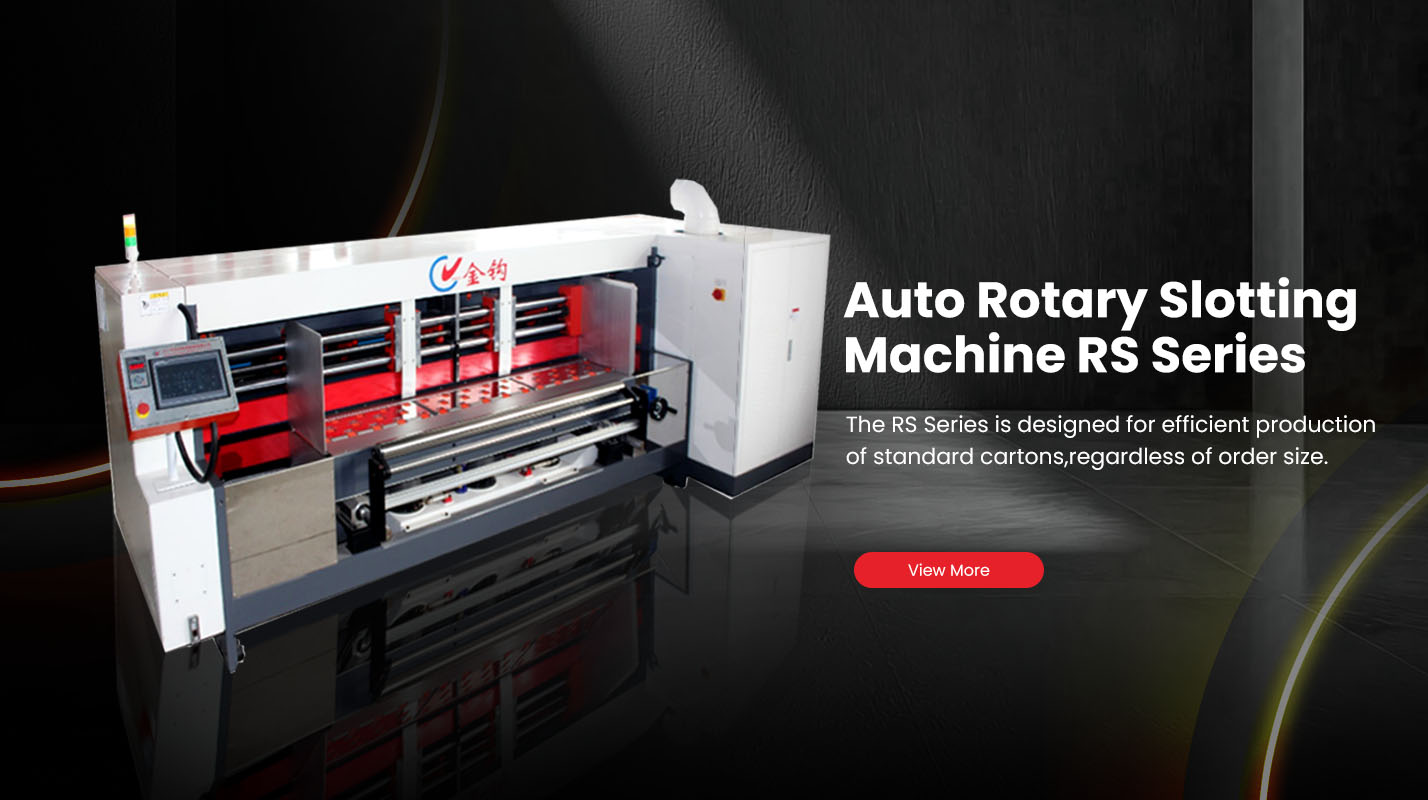
In practical factory use, packaging machinery can cover several categories. Some machines prepare corrugated board through slitting and scoring. Some form boxes for serial production. Others handle slotting and creasing for more accurate carton conversion. In many manufacturing environments, these machines are combined into one workflow so that packaging becomes part of the production system rather than a separate finishing task. JINGOU’s product range reflects this structure. Its auto thin blade slitter scorer is presented as equipment for automatic cutting and slitting of cardboard with PLC and HMI control and suitability for 3-ply and 5-ply corrugated cardboard. Its cardboard box forming machine is described as a modern device for serial production of corrugated boxes, while its rotary slotting and creasing machine is positioned for precise mass production of corrugated boxes.
This is why packaging machinery matters so much in modern manufacturing. It improves repeatability, supports higher output, reduces manual error, and helps factories respond to more complex order structures. A factory making only a few standard cartons may be able to rely on simple methods, but once order quantities change, carton sizes vary, or delivery pressure increases, packaging machinery becomes essential. JINGOU describes itself as a high-tech enterprise focused on corrugated carton machines for small quantity orders. Its website also states that the company introduced the world’s first automatic thin slitter scorer machine in 2009 and that its CK25 box maker machine has earned patents and CE certifications. This positions the company around flexible corrugated packaging production rather than only standard box output.
When buyers evaluate packaging machinery, the difference between manufacturer vs trader becomes important very quickly. A trader may help compare offers, but a direct manufacturer can usually provide more useful answers on machine structure, control systems, material standards, production lead time, testing methods, and spare parts planning. That matters because packaging machinery is not only purchased by specification. It is purchased to solve a real production problem. In a project that involves carton size variation, output planning, or future line expansion, the supplier must understand how the machinery will perform under real factory conditions. A direct manufacturer is usually better positioned to support that level of technical discussion.
The OEM and ODM process is another major part of the answer to what packaging machinery is. In many factories, machinery is not selected as a fixed catalog item. It is adjusted around board thickness, carton dimensions, production targets, voltage requirements, and plant layout. A useful OEM and ODM process should begin with application review and technical confirmation, then move into drawing approval, manufacturing, assembly, testing, and final inspection. This matters even more for customized corrugated packaging where box style and order mix change frequently. JINGOU’s published equipment descriptions show this application-based approach, especially in machines developed for precise corrugated processing and customized production flow.
Bulk supply considerations also shape how packaging machinery should be understood. A machine is not valuable only because it works once in a demonstration. It must also keep stable quality across repeated orders, allow predictable maintenance, support spare parts supply, and deliver consistent performance in long production cycles. This is why project buyers often review not only output speed, but also quality control checkpoints and manufacturing discipline. A useful project sourcing checklist should include carton style range, board grade, daily output target, changeover frequency, electrical standard, plant layout, after-sales response, and spare parts coverage. These factors tell buyers whether the machinery will support long-term production instead of only short-term installation.
The manufacturing process overview behind the machinery also deserves close attention. Reliable packaging equipment should be built through controlled raw material inspection, machining accuracy checks, frame assembly verification, wiring inspection, functional testing, trial operation, and final quality review. Quality control checkpoints matter because packaging accuracy depends on mechanical stability and electrical consistency. If scoring accuracy drifts or feeding stability weakens, waste and downtime usually increase. For that reason, material standards used inside the machine are just as important as the visible machine structure. Strong frame materials help maintain rigidity. Suitable wear-resistant parts reduce replacement frequency. Stable electrical components improve safety and operating reliability.
This is where electrical and export standards come in. IEC 60204-1 provides requirements and recommendations for the electrical equipment of machinery to promote safety of persons and property, consistency of control response, and ease of operation and maintenance. For packaging machinery, those points are directly connected to stable factory use and lower service risk. Export market compliance matters as well, especially for equipment entering Europe. EU guidance states that the manufacturer is responsible for ensuring the product meets applicable requirements and for affixing the CE marking. The European Commission also states that manufacturers must prepare technical documentation before placing a product on the market and keep it available for authorities, in many cases for 10 years.
A simple comparison makes the category easier to understand.
| Machinery Type | Main Function | Manufacturing Value |
|---|---|---|
| slitter scorer machine | Cuts and scores corrugated board | Improves board preparation accuracy |
| Box forming machine | Forms corrugated cartons in serial production | Supports faster and more stable output |
| Rotary slotting and creasing machine | Creates slots and creases in one process | Reduces handling steps and improves precision |
| Custom box making system | Produces varied carton sizes and styles | Fits mixed orders and short-run production |
| Integrated corrugated line | Connects multiple packaging steps | Improves workflow continuity |
So what is packaging machinery in real manufacturing terms? It is not just equipment that makes a package. It is the production system that turns packaging into a controlled, repeatable, and scalable part of factory operations. JINGOU’s focus on corrugated carton machinery, patented development, and CE-certified equipment makes it especially relevant for manufacturers that need customized packaging production with stronger technical support and better long-term process control.