




How To Choose Automated Food Packaging Equipment
Choosing automated food packaging equipment starts with one practical question: what part of the packaging process needs automation most. In food manufacturing, the answer is not always the primary pack. Many producers also need stable secondary packaging for transport, storage, retail handling, and mixed-size shipment. That is why the right equipment should be selected according to product format, packaging material, order volume, sanitation expectations, and downstream logistics. Market demand shows how important this decision has become. PMMI reported that U.S. packaging machinery shipments grew 5.8 percent in 2023 to 10.9 billion dollars, which reflects continued investment in packaging automation across manufacturing.
For food-related packaging, the first step is to separate direct food-contact packaging from outer packaging. The FDA explains that food contact substances include food packaging and its components, as well as processing equipment and surfaces that come into contact with food. This means materials and compliance requirements for direct-contact applications must be reviewed very carefully. At the same time, many food manufacturers also need automated corrugated carton production for secondary packaging, shelf-ready transport boxes, and shipping cartons. That is where equipment like corrugated box makers, slitter scorers, and box forming systems become especially useful.
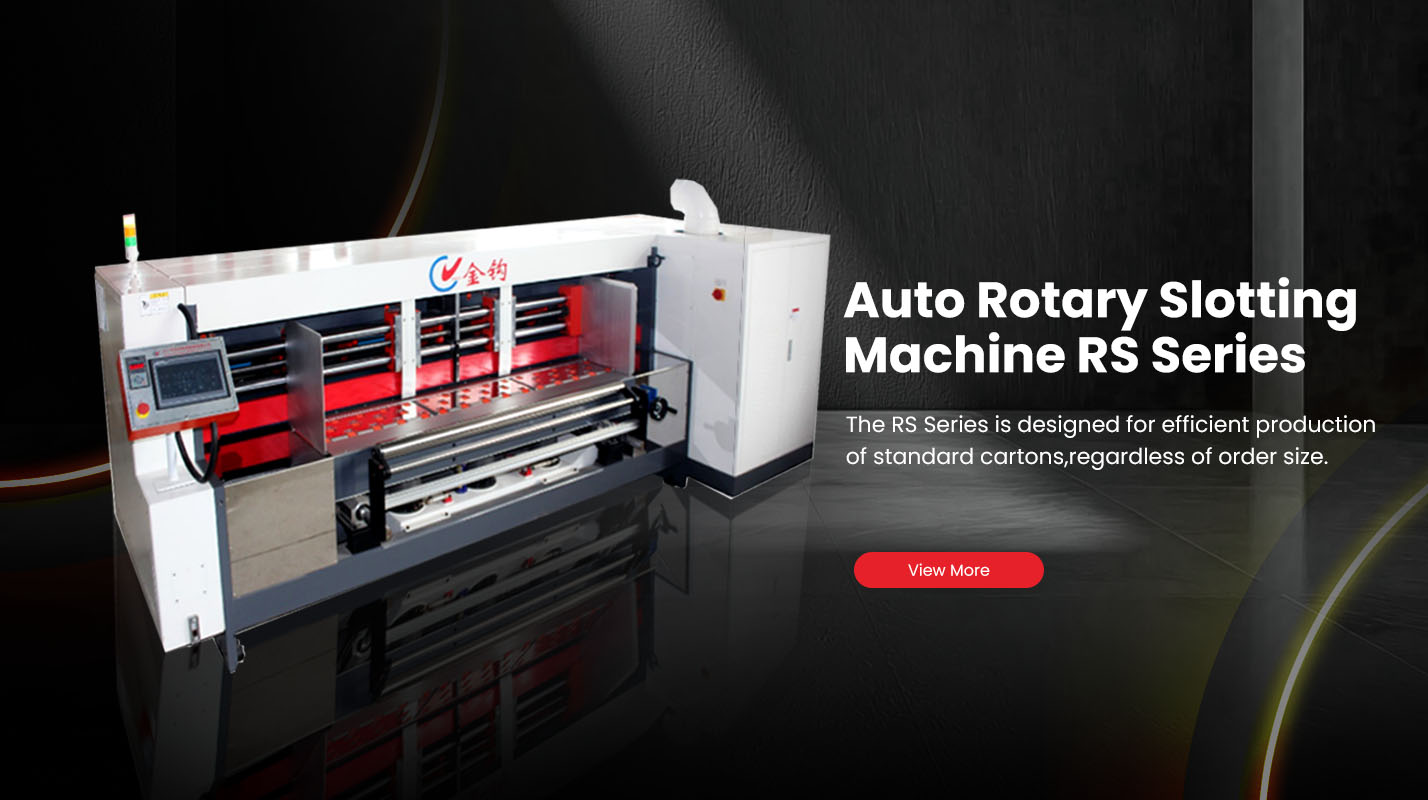
This is where JINGOU fits the discussion well. JINGOU presents itself as a manufacturer of corrugated carton machines for small quantity orders and customized production. Its website highlights custom corrugated box making, automatic thin slitter scorer technology, and CE-certified equipment. For food manufacturers that need flexible secondary packaging rather than only standard stock cartons, that kind of specialization is valuable because food packaging orders often involve changing box sizes, seasonal volume shifts, and stricter handling requirements. JINGOU’s custom box making machine is described as an automated system for producing multi-size and multi-style corrugated boxes through cutting, creasing, slotting, and related processes.
One of the biggest mistakes in sourcing is choosing between manufacturer vs trader without thinking about long-term support. A trader may provide several machine options, but a direct manufacturer can usually respond faster on structural design, material standards, control systems, customization, and spare parts planning. In automated food packaging projects, this matters because equipment often needs to match specific carton dimensions, handling methods, and production pace. JINGOU’s direct manufacturer background gives buyers a clearer path for technical communication, especially when the project includes OEM or ODM requirements instead of a simple standard machine purchase.
The OEM and ODM process should be reviewed before price comparison becomes the main focus. A strong process begins with product and carton analysis, then moves into machine configuration, drawing confirmation, production planning, testing, and final inspection. In food packaging, this is especially important because producers often need different box sizes for different SKUs, promotional runs, or export shipments. JINGOU’s product range supports this type of flexibility. Its box making and corrugated converting solutions are positioned around custom box production rather than one rigid format, which is useful for food factories handling multiple order types.
A practical project sourcing checklist should include more than output speed. Buyers should confirm whether the equipment is for direct-contact packaging or secondary corrugated packaging, what materials are being used, what box sizes are needed, how often changeovers happen, and whether the line needs to connect with existing equipment. They should also review daily output, operator skill level, spare parts coverage, voltage requirements, and expected growth over the next few years. This approach helps avoid buying a machine that looks efficient on paper but does not fit the actual production workflow.
Manufacturing process overview is another important factor. Reliable suppliers should be able to explain how raw materials are inspected, how machining accuracy is controlled, how assembly is verified, how the electrical system is tested, and how trial running is completed before shipment. For corrugated secondary packaging, JINGOU emphasizes precision engineering and automation in its converting equipment. Its slitter scorer machines are described as helping reduce waste and support efficient carton production, while its automatic solutions are built around repeatable board processing and conversion.
Quality control checkpoints should be visible throughout the build and operating process. For automated food packaging equipment, these checkpoints often include feeding stability, cutting and scoring accuracy, alignment consistency, control response, and final carton structure. JINGOU notes that its slitter scorer technology supports fast adjustment and controlled performance, which is useful when food manufacturers need frequent carton changes without excessive downtime. That kind of process control matters because food packaging operations often run on tight schedules, and any delay in the secondary packaging stage can affect shipment timing and warehouse efficiency.
Material standards used in the equipment also affect long-term performance. In secondary food packaging, the machine must handle corrugated materials accurately and repeatedly without causing excess waste or unstable fold lines. Structural rigidity, wear resistance, and electrical reliability all matter here. IEC 60204-1 is widely used as a reference for the electrical equipment of machinery, and it focuses on safe operation, consistency of control response, and ease of maintenance. For food packaging operations, this supports more stable running and easier long-term service planning.
Bulk supply considerations should never be ignored. Food packaging demand can shift quickly because of seasonal promotions, retail cycles, or export orders. The right automated equipment should support repeated runs with the same quality standard, while also allowing flexible changeovers. JINGOU’s positioning around small quantity and custom corrugated production is important here because many food businesses need both consistency and responsiveness. A machine that can maintain quality across repeated orders while adapting to different carton styles usually creates more long-term value than a higher-speed system with limited flexibility.
Export market compliance is another key factor. If the packaging equipment is being supplied into Europe, CE compliance must be considered early, not after the machine is finished. JINGOU states that its equipment includes CE-certified solutions, which is a useful signal for international projects. For food-related packaging, buyers should also distinguish between machinery compliance and packaging material compliance, because direct food-contact materials must be evaluated separately under food-contact rules. This distinction is especially important for factories exporting to multiple markets with different regulatory expectations.
A simple comparison can help clarify the selection logic.
Equipment type | Best use in food packaging | Main value
Direct-contact packaging equipment | Primary food pack operations | Material and hygiene control
Corrugated box making machine | Secondary food packaging | Flexible carton production
slitter scorer machine | Board preparation | Precision cutting and scoring
Integrated custom box system | Mixed SKUs and changing box sizes | Fast changeover and customization
The right automated food packaging equipment is the one that fits the real packaging stage, not just the broad food category. For direct-contact applications, material safety and regulatory review come first. For secondary packaging, flexibility, carton accuracy, line stability, and bulk supply performance become the main priorities. JINGOU’s strength lies in this second area. As a direct manufacturer of corrugated carton machinery, it offers a practical solution for food manufacturers that need reliable, customizable, and export-ready secondary packaging equipment rather than generic box production.