




How To Choose Industrial Packaging Equipment for Production Line
Selecting industrial packaging equipment for a production line is no longer a simple purchase decision. It is a process of aligning machinery with production flow, product variation, output targets, and long-term operational goals. In modern manufacturing, packaging equipment works as part of an integrated system rather than a standalone unit. Packaging machinery operates across multiple stages such as forming, sealing, labeling, and handling, and it must function smoothly within the full production line to deliver real efficiency.
The importance of this decision is reflected in market data. PMMI reported that U.S. packaging machinery shipments grew 5.8 percent in 2023 to 10.9 billion dollars, showing that manufacturers continue to invest in packaging automation as a core part of production performance.
The first step in choosing the right industrial packaging equipment is understanding the production line itself. Equipment must match product type, carton size range, material characteristics, and required output per shift. A machine that performs well in isolation may not deliver results if it cannot integrate with upstream or downstream processes. Packaging systems today are designed to function as part of a coordinated line, where feeding, processing, and handling are connected rather than separated.
The difference between manufacturer vs trader plays a major role in this stage. A trader may provide multiple equipment options, but a direct manufacturer can evaluate how the machine will perform inside the production line. That includes layout compatibility, control system integration, material handling, and long-term maintenance. JINGOU positions itself as a direct manufacturer of corrugated carton machinery focused on customized and small-batch production. Its website highlights patented development and CE-certified equipment, which allows it to support both technical configuration and production integration rather than only supplying standard machines.
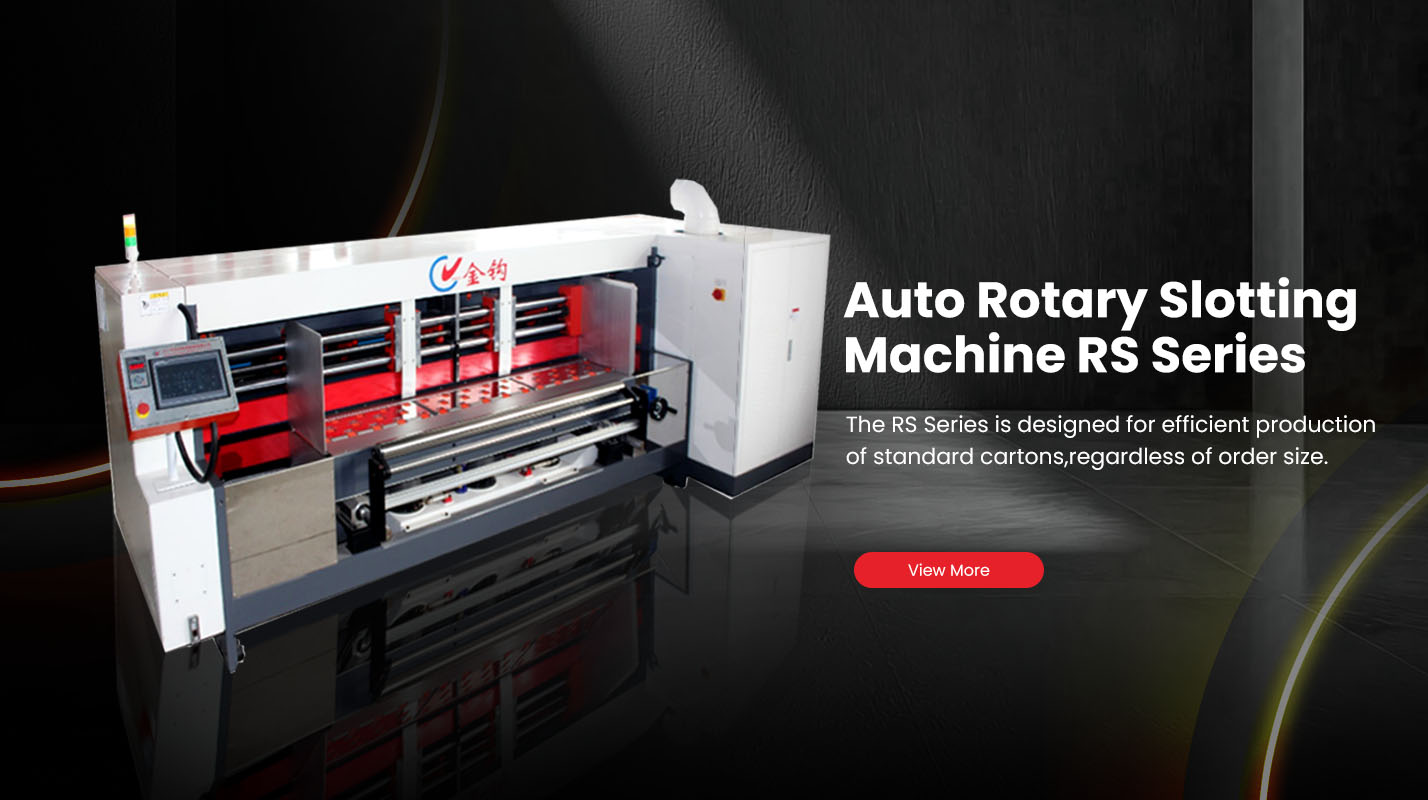
The OEM and ODM process is another critical factor. Industrial packaging equipment often needs to be tailored to the production line instead of selected from a fixed catalog. A strong OEM and ODM workflow begins with analyzing product dimensions, carton structure, board thickness, and output targets. It then moves into machine configuration, drawing confirmation, manufacturing, assembly, testing, and final inspection. This process ensures that the equipment fits the real operating conditions. JINGOU’s corrugated machinery solutions, including slitter scorer systems and box forming machines, are designed around this type of flexible production requirement, which is essential for factories handling multiple SKUs and varying order sizes.
Bulk supply considerations also influence equipment selection. A production line does not rely on one successful run. It requires consistent performance across repeated orders, stable output quality, and predictable maintenance cycles. Equipment must support spare parts availability, consistent material standards, and repeatable operation over time. According to industry research, operational cost performance and long-term efficiency are among the top priorities for packaging machinery users, not just speed or initial specifications.
A structured project sourcing checklist helps reduce risk. Buyers should review carton types, board grades, expected output, changeover frequency, plant layout, electrical requirements, and operator skill level before making a decision. They should also evaluate after-sales support, spare parts planning, and upgrade potential. This checklist ensures that the selected equipment supports both current production and future expansion.
The manufacturing process overview of the supplier should also be examined carefully. Reliable equipment comes from controlled production processes that include raw material inspection, machining accuracy verification, frame assembly checks, electrical system testing, trial operation, and final inspection. These quality control checkpoints directly affect equipment stability and long-term performance. If these steps are unclear, the risk of downtime and inconsistency increases.
Material standards used in the equipment are equally important. Structural rigidity affects machine stability during long production runs. Wear-resistant components reduce maintenance frequency. Electrical system reliability ensures consistent control response and safe operation. Standards such as IEC 60204-1 focus on safety, control consistency, and ease of maintenance, all of which contribute to equipment reliability and production efficiency.
Export market compliance should be considered early, especially for international production lines. Equipment entering regulated markets must meet requirements such as CE compliance, including technical documentation and conformity assessment. This is not only a legal requirement but also an indicator of engineering discipline. A supplier that can meet these standards is more likely to provide stable and well-documented equipment.
A simplified comparison of key selection factors is shown below.
Selection Factor | Impact on Production Line
Equipment integration | Determines workflow efficiency and line balance
OEM and ODM capability | Enables customization for product variation
Bulk supply support | Ensures consistent performance across orders
Quality control checkpoints | Reduces risk of downtime and defects
Material and electrical standards | Improves durability and operational stability
Export compliance readiness | Supports international market access
JINGOU’s advantage lies in its role as a direct manufacturer with a focus on corrugated carton machinery, patented development, and CE-certified equipment. Its solutions cover key stages such as slitting, scoring, slotting, and box forming, allowing production lines to operate with greater precision and flexibility. This makes it particularly suitable for manufacturers that require customized packaging workflows rather than fixed standard processes.
Choosing industrial packaging equipment for a production line is ultimately about system performance rather than individual machine specifications. The right decision comes from aligning equipment capability with production requirements, ensuring strong OEM and ODM support, maintaining stable bulk supply performance, and verifying quality and compliance at every stage.